World Artifacts › Atlas › France
Gallic Warrior Helmet
Gauls did not wear winged helmets. That image was invented in the 1800s when France was looking for ancestors, and the real Vercingetorix surrendered to Caesar and was strangled in Rome six years later.
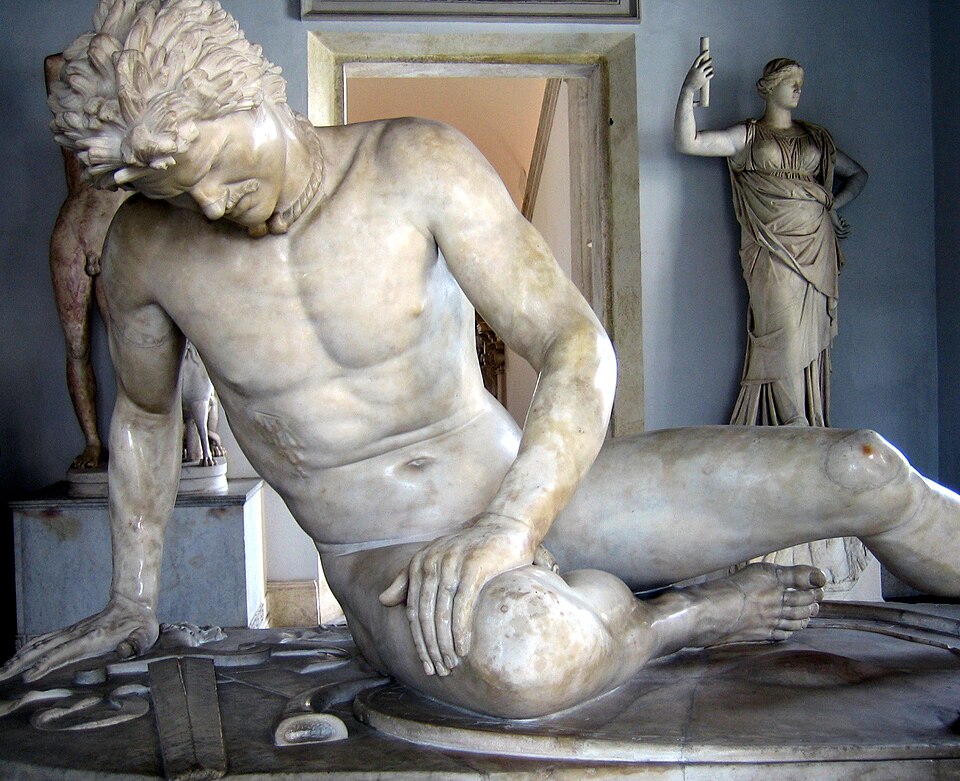
The Gauls (Latin: Galli; Ancient Greek: Γαλάται, Galátai) were a group of Celtic peoples of mainland Europe in the Iron Age and the Roman period (roughly 5th century BC to 5th century AD). Their homeland was known as Gaul (Gallia). They spoke Gaulish, a Continental Celtic language.
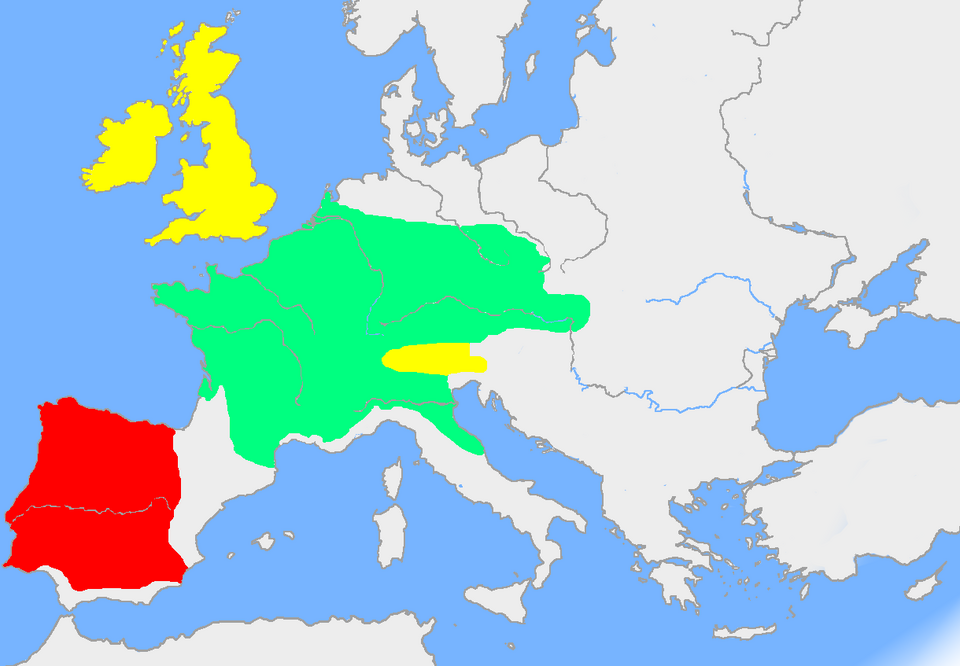
The Gauls emerged around the 5th century BC as bearers of La Tène culture north and west of the Alps. By the 4th century BC, they were spread over much of what is now France, Belgium, Switzerland, Southern Germany, Austria, and the Czech Republic, by virtue of controlling the trade routes along the river systems of the Rhône, Seine, Rhine, and Danube. They reached the peak of their power in the 3rd century BC. During the 4th and 3rd centuries BC, the Gauls expanded into Northern Italy (Cisalpine Gaul), leading to the Roman-Gallic wars, and into the Balkans, leading to war with the Greeks. These latter Gauls eventually settled in Anatolia (contemporary Turkey), becoming known as Galatians.
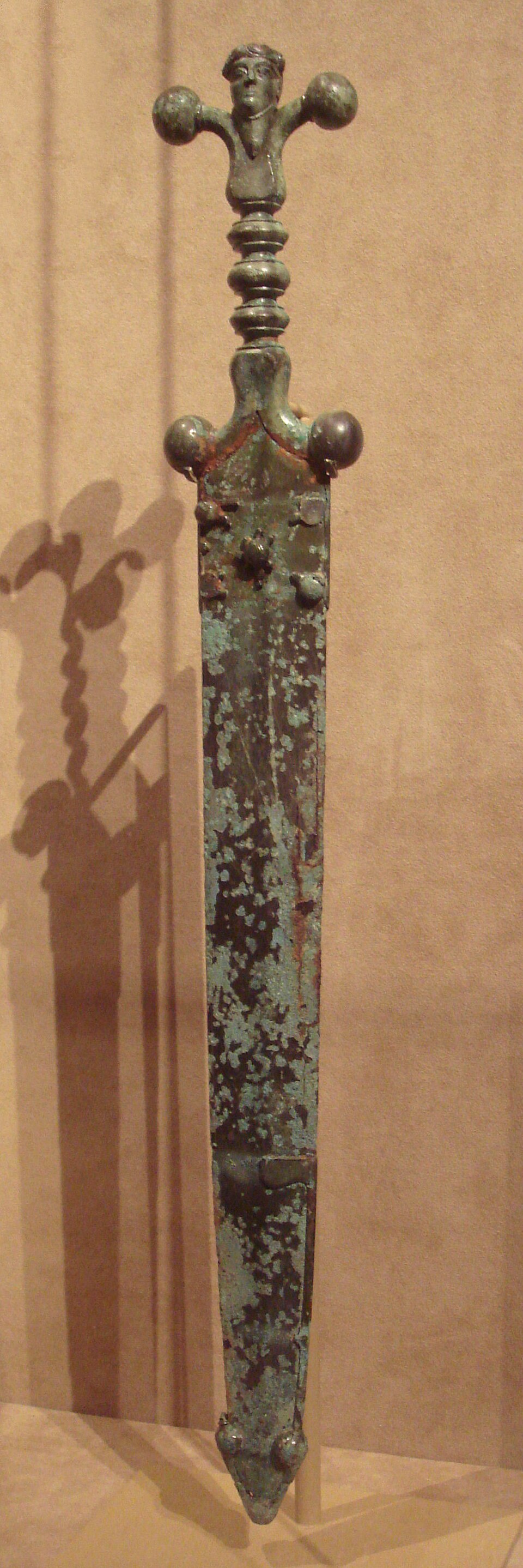
After the end of the First Punic War, the rising Roman Republic increasingly put pressure on the Gallic sphere of influence. The Battle of Telamon (225 BC) heralded a gradual decline of Gallic power during the 2nd century BC. The Romans eventually conquered Gaul in the Gallic Wars (58-50 BC), making it a Roman province, which brought about the hybrid Gallo-Roman culture.
Further reading
- The Ancient Celts · Barry W. Cunliffe (2000)A history of the ancient Celts of central and western Europe, drawing on archaeology and the Greek and Roman writers.Find a copy: AbeBooks · Amazon · WorldCat
- Commentaries on the Gallic War · Gaius Julius Caesar (2018)Caesar's own account of the Gallic War, 58-51 B.C.Find a copy: AbeBooks · Amazon · WorldCat
Gallic Warrior Helmet is one of the 3D puzzles in World Artifacts: turn a cloud of broken pieces until it lines up. For iPhone, iPad, Apple Vision Pro and Android.

