World Artifacts › Atlas › France
Moulin Rouge
The windmill on the roof never milled anything; it was signage from the start, put up in 1889 to catch the eye. What the place actually sold was the cancan, a high-kicking dance that shocked polite Paris.
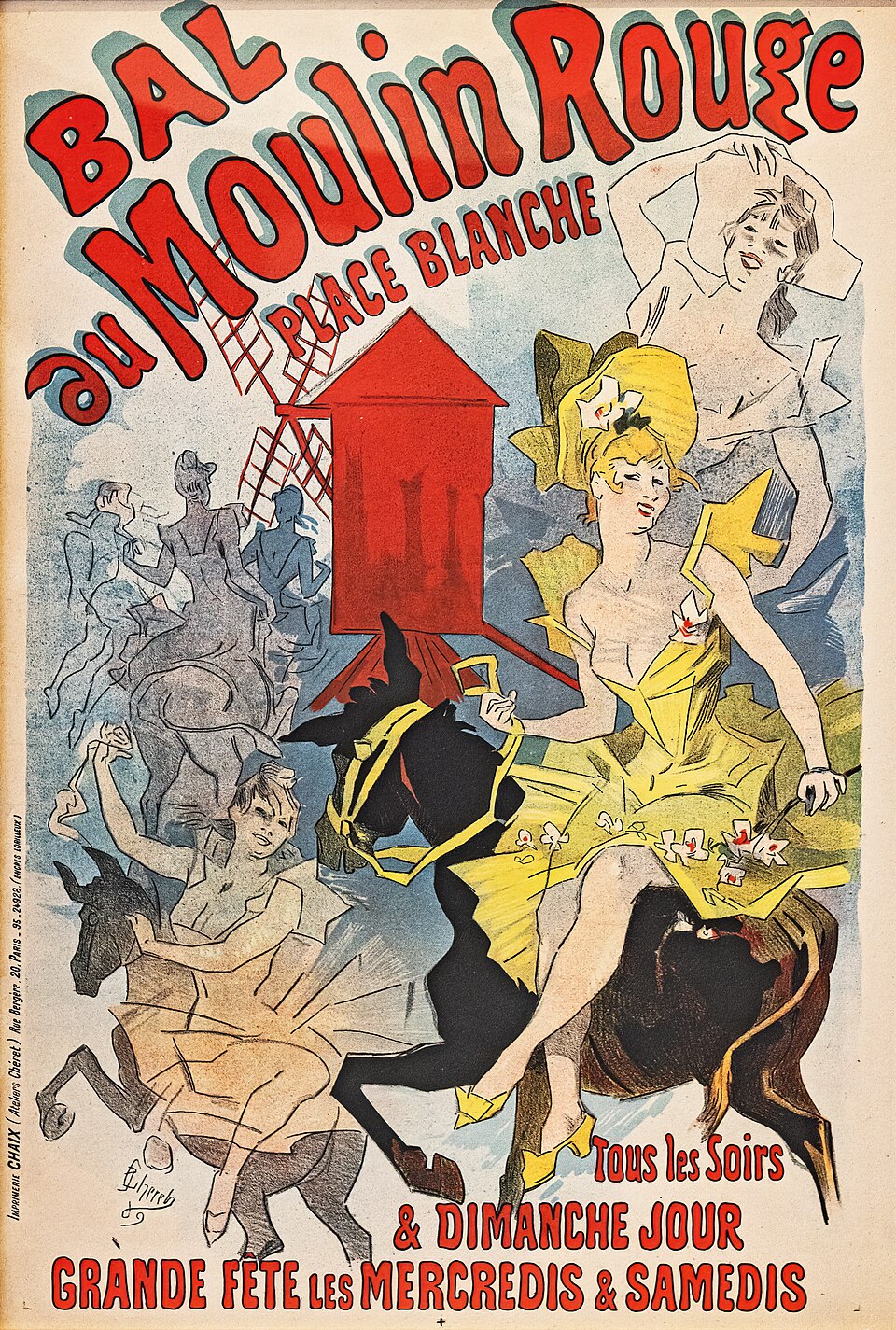
Moulin Rouge (, French: [mulɛ̃ ʁuʒ]; lit. 'Red Mill') is a cabaret in Paris, on the Boulevard de Clichy, at the Place Blanche, the intersection and end of the Rue Blanche.
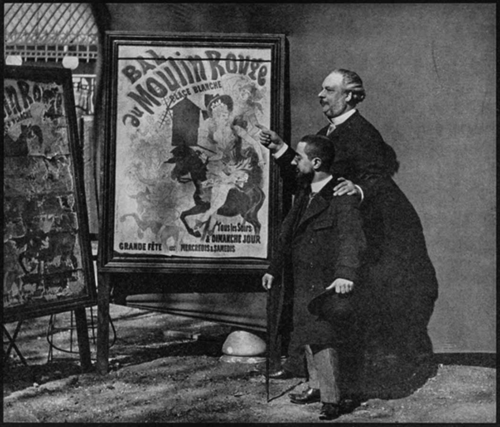
In 1889, the Moulin Rouge was co-founded by Charles Zidler and Joseph Oller, who also owned the Paris Olympia. The original venue was destroyed by fire in 1915, reopening in 1925 after rebuilding. Moulin Rouge is southwest of Montmartre, in the Paris district of Pigalle on Boulevard de Clichy in the 18th arrondissement, and has a landmark red windmill on its roof. The closest Paris Métro station is Blanche.
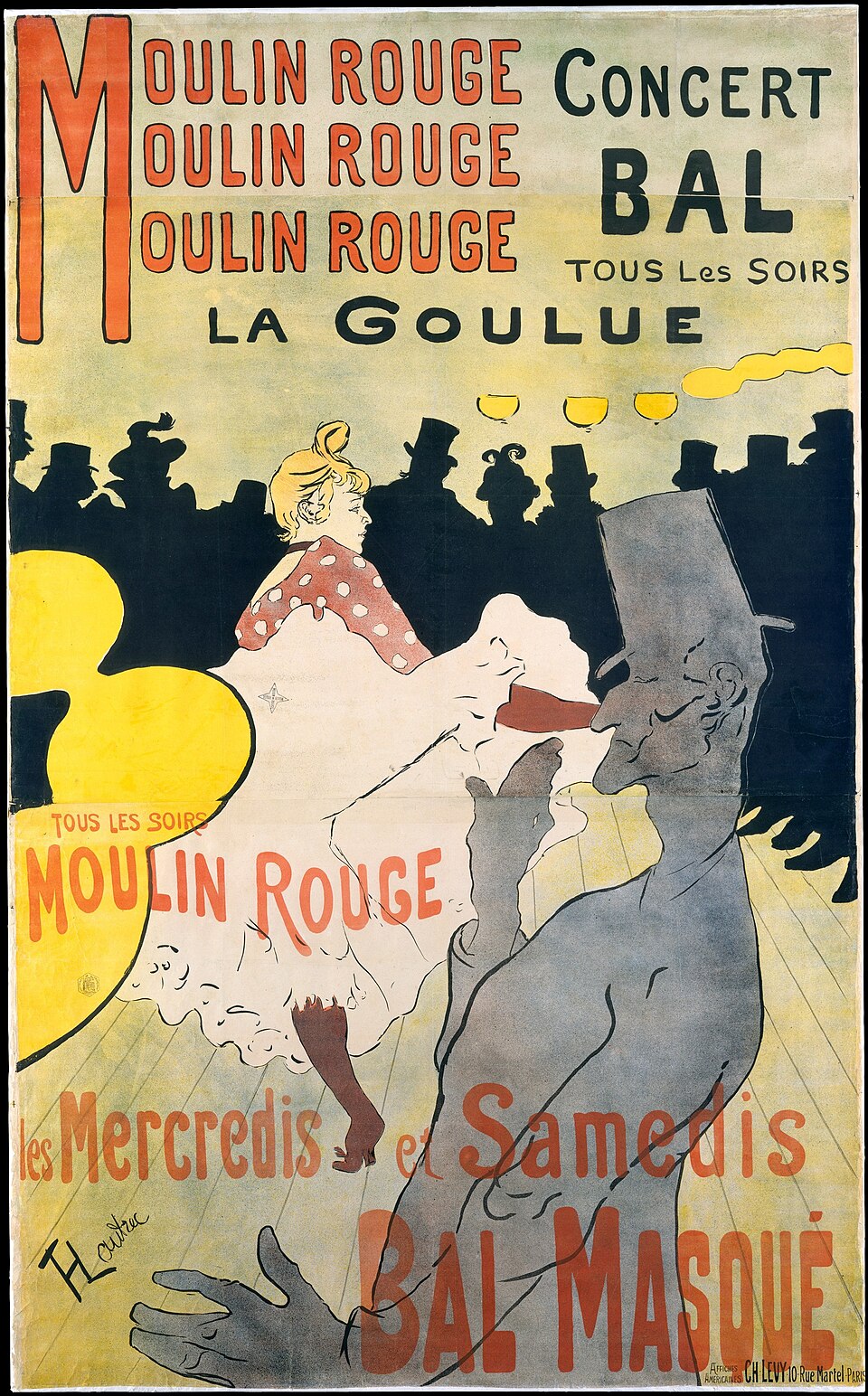
Moulin Rouge is best known as the birthplace of the modern form of the can-can dance. Originally introduced as a seductive dance by the courtesans who operated from the site, the can-can dance revue evolved into a form of entertainment of its own and led to the introduction of cabarets across Europe. Today, the Moulin Rouge is a tourist attraction, offering predominantly musical dance entertainment for visitors from around the world. The club's decor retains much of the romance of Belle Époque France.
Further reading
Moulin Rouge is one of the 3D puzzles in World Artifacts: turn a cloud of broken pieces until it lines up. For iPhone, iPad, Apple Vision Pro and Android.

