World Artifacts › Atlas › Gabon
Albert Schweitzer
The doctor with his moustache.
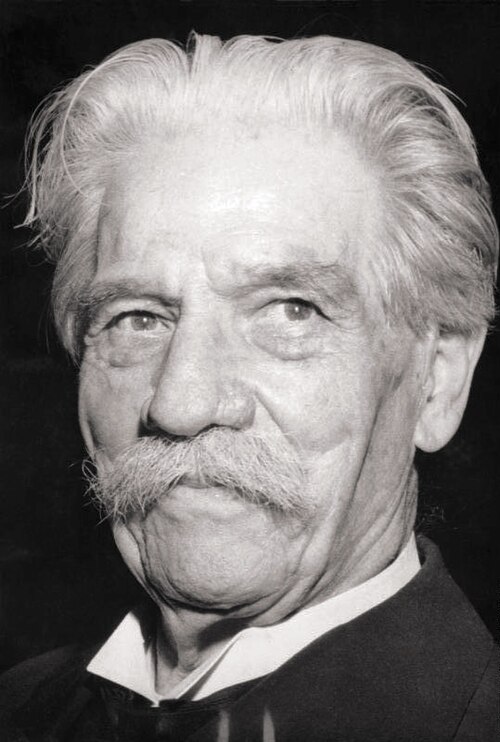
Ludwig Philipp Albert Schweitzer (German: [ˈalbɛʁt ˈʃvaɪtsɐ] ; 14 January 1875 - 4 September 1965) was a German polymath from Alsace. He was a theologian, organist, musicologist, writer, humanitarian, philosopher, and physician. As a Lutheran minister, Schweitzer challenged both the secular view of the historical Jesus as depicted by the historical-critical method current at this time, as well as the traditional Christian view. His contributions to the interpretation of Pauline Christianity concern the role of Paul's mysticism of "being in Christ" as primary and the doctrine of justification by faith as secondary.
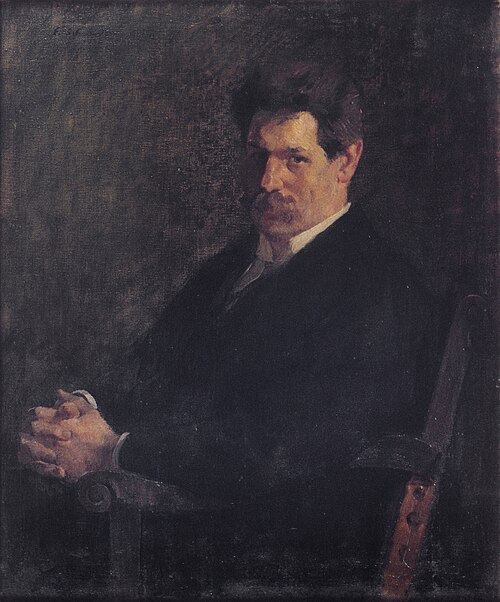
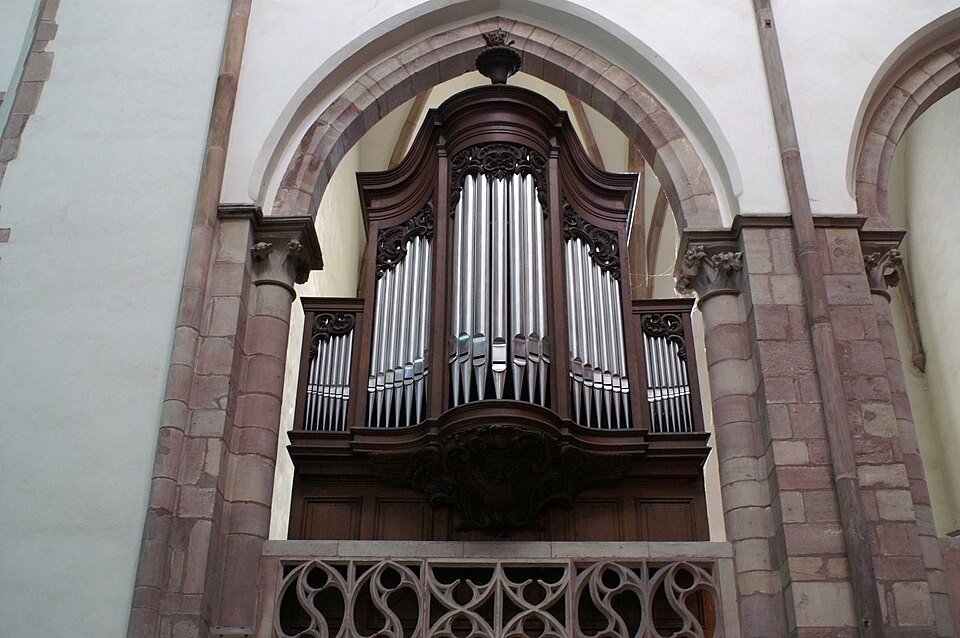
He received the 1952 Nobel Peace Prize for his philosophy of "Reverence for Life". His philosophy was expressed in many ways, but most famously in founding and sustaining the Hôpital Albert Schweitzer in Lambaréné, French Equatorial Africa (now Gabon). As a music scholar and organist, he studied the music of German composer Johann Sebastian Bach and influenced the Organ Reform Movement (Orgelbewegung).
Further reading
- The primeval forest · Albert Schweitzer (1931)Schweitzer's own account of his medical mission in Africa's forests.Find a copy: AbeBooks · Amazon · WorldCat
- Albert Schweitzer · James Brabazon (1975)A biography of Schweitzer as musician, theologian, physician and medical missionary.Find a copy: AbeBooks · Amazon · WorldCat
Albert Schweitzer is one of the 3D puzzles in World Artifacts: turn a cloud of broken pieces until it lines up. For iPhone, iPad, Apple Vision Pro and Android.

