World Artifacts › Atlas › United Kingdom
DNA Double Helix
The model was built in Cambridge in 1953 from cut metal plates, and the shape depended on an X-ray photograph taken by Rosalind Franklin in London, shown to the men without her knowledge.
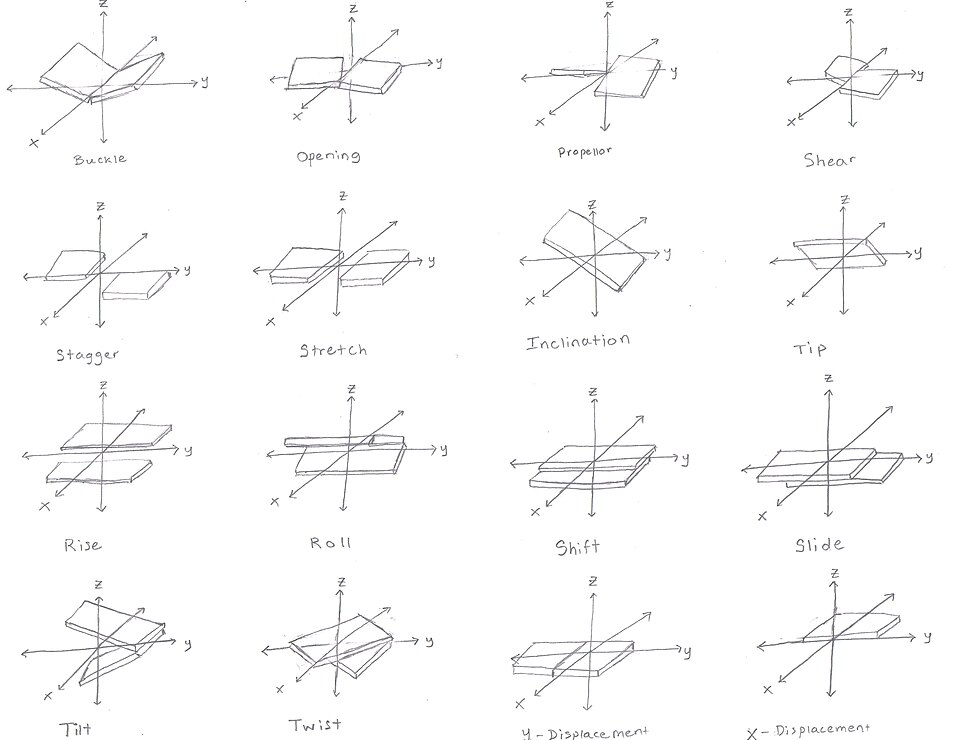
In molecular biology, the double helix is the structure formed by double-stranded molecules of nucleic acids such as DNA. The double-helical structure of a nucleic acid complex arises as a consequence of its secondary structure, and is a fundamental component in determining its tertiary structure.
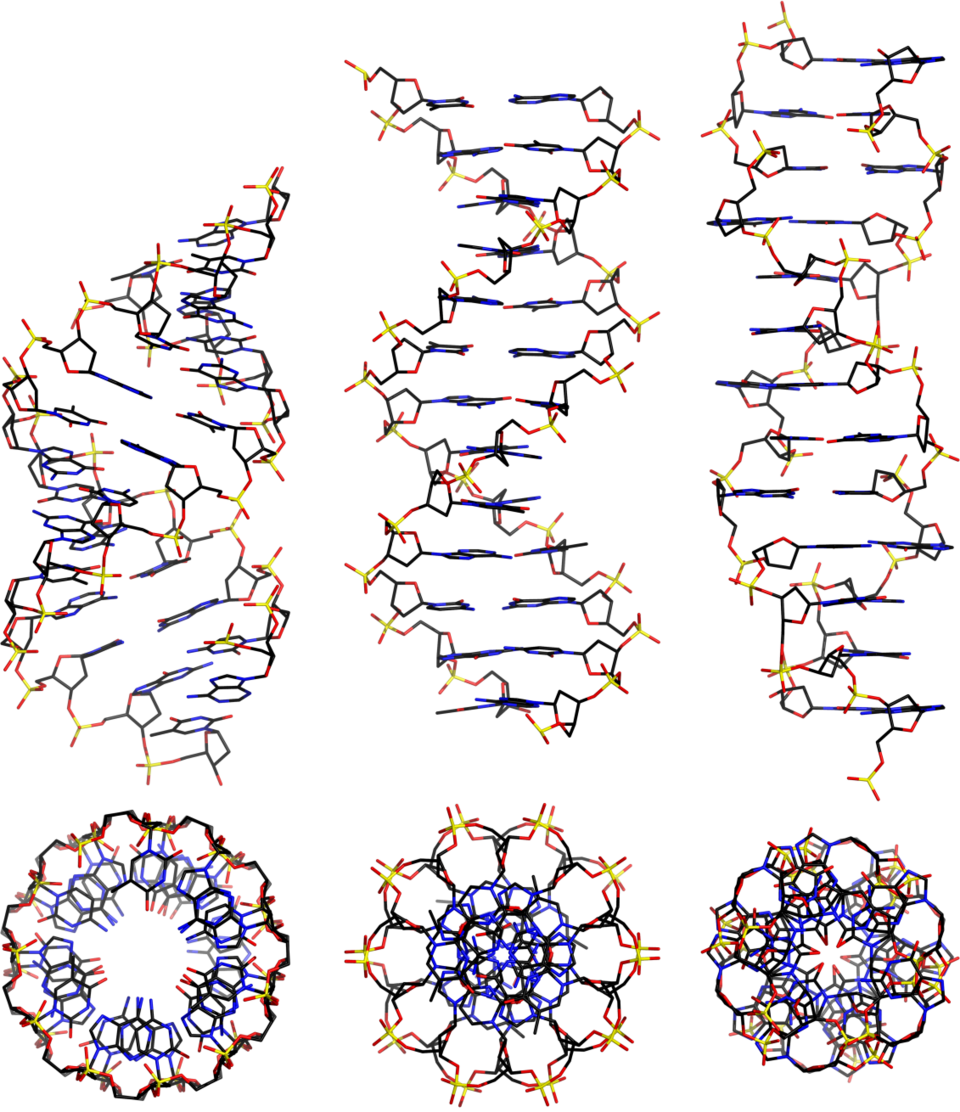
The DNA double-helix biopolymer of nucleic acids is held together by nucleotides which base pair together. In B-DNA, the most common double-helical structure found in nature, the double helix is right-handed with about 10-10.5 base pairs per turn. The double-helix structure of DNA contains a major groove and minor groove. In B-DNA the major groove is wider than the minor groove. Given the difference in widths of the major groove and minor groove, many proteins which bind to B-DNA do so through the wider major groove.
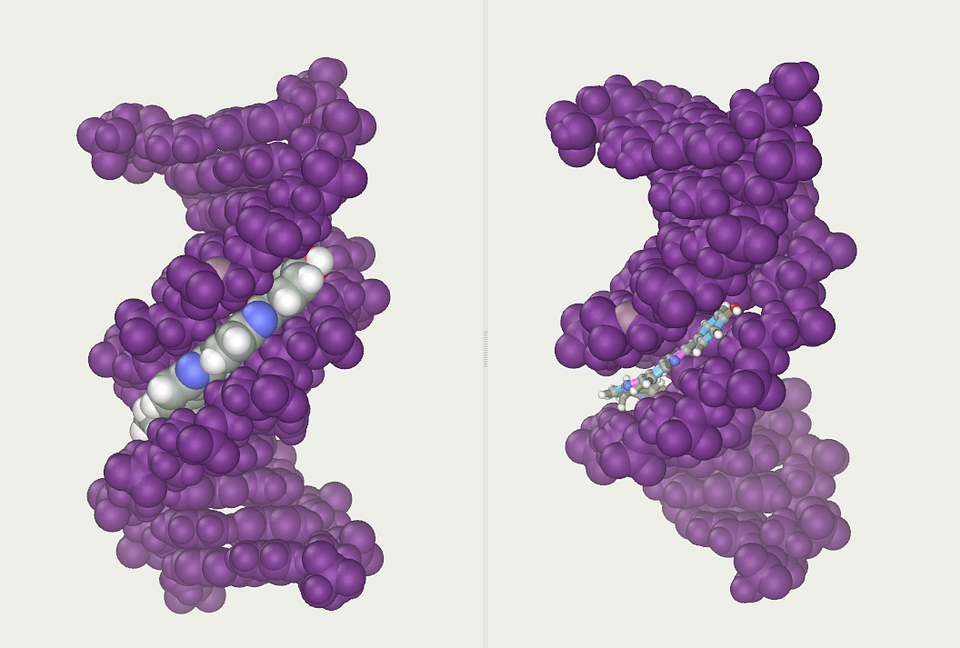
The double helix structure of DNA was first proposed by James Watson and Francis Crick, based on the work of Rosalind Franklin, Raymond Gosling, Maurice Wilkins, and others. The term "double helix" entered popular culture with the 1968 publication of Watson's The Double Helix: A Personal Account of the Discovery of the Structure of DNA.
Further reading
- Rosalind Franklin · Brenda Maddox (2002)A biography of Rosalind Franklin, the molecular biologist whose DNA research is central to the double helix story.Find a copy: AbeBooks · Amazon · WorldCat
- The double helix · James D. Watson (1968)James Watson's first-person account of the research into DNA's structure.Find a copy: AbeBooks · Amazon · WorldCat
DNA Double Helix is one of the 3D puzzles in World Artifacts: turn a cloud of broken pieces until it lines up. For iPhone, iPad, Apple Vision Pro and Android.

