World Artifacts › Atlas › United Kingdom
English Oak
An English oak supports more species than any other tree in Britain, well over two thousand kinds of insect, bird, fungus and lichen. It can stand for eight hundred years and spends the last few centuries slowly hollowing out.
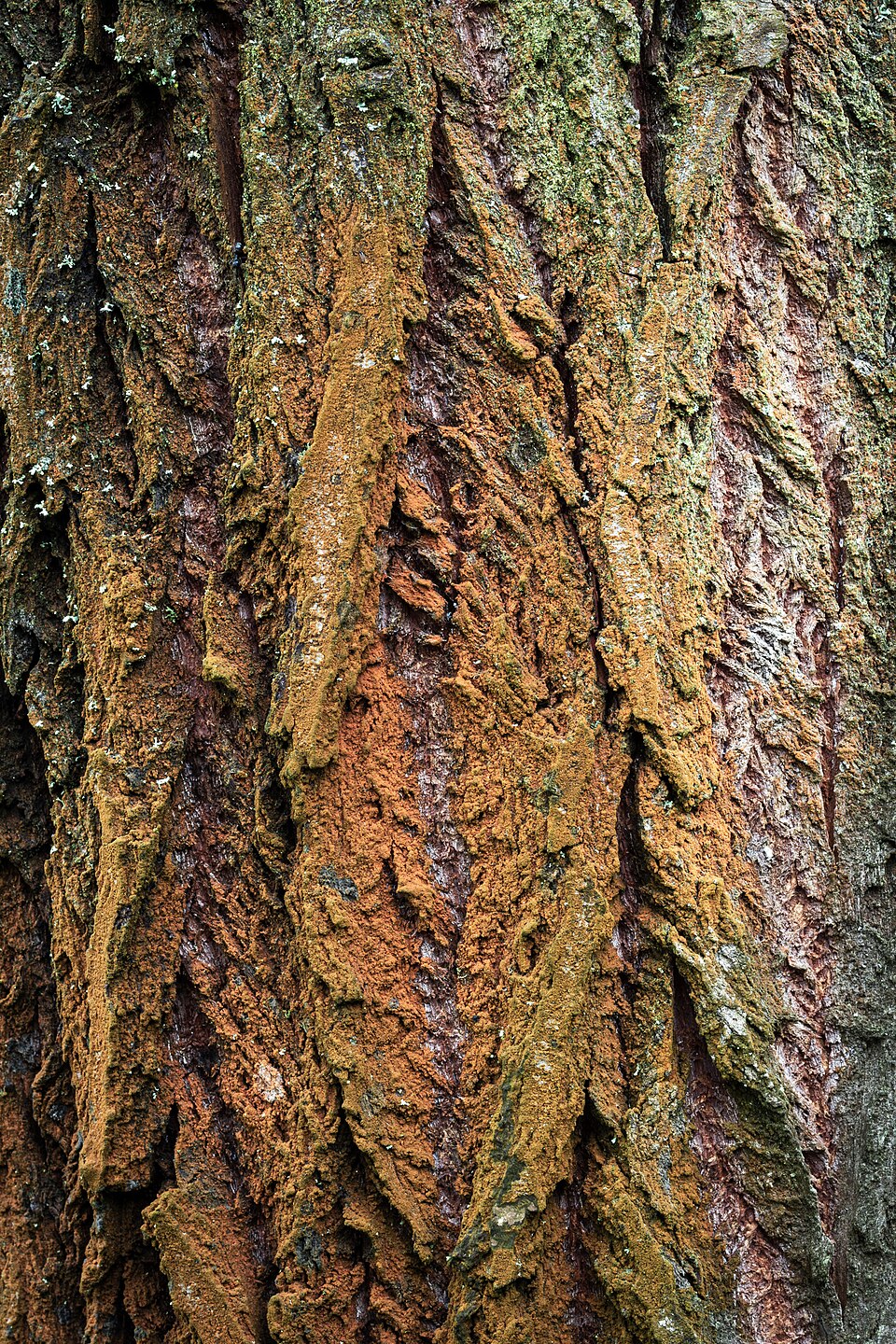
Quercus robur, pedunculate oak, European oak, or English oak, is a species of flowering plant in the beech and oak family, Fagaceae. It is a large tree, native to Europe and western Asia, and is widely cultivated in other temperate regions. It grows on soils of near neutral acidity in the lowlands and is notable for its value to natural ecosystems, supporting a diversity of herbivorous insects, acorn eating mammals and birds, and fungi.
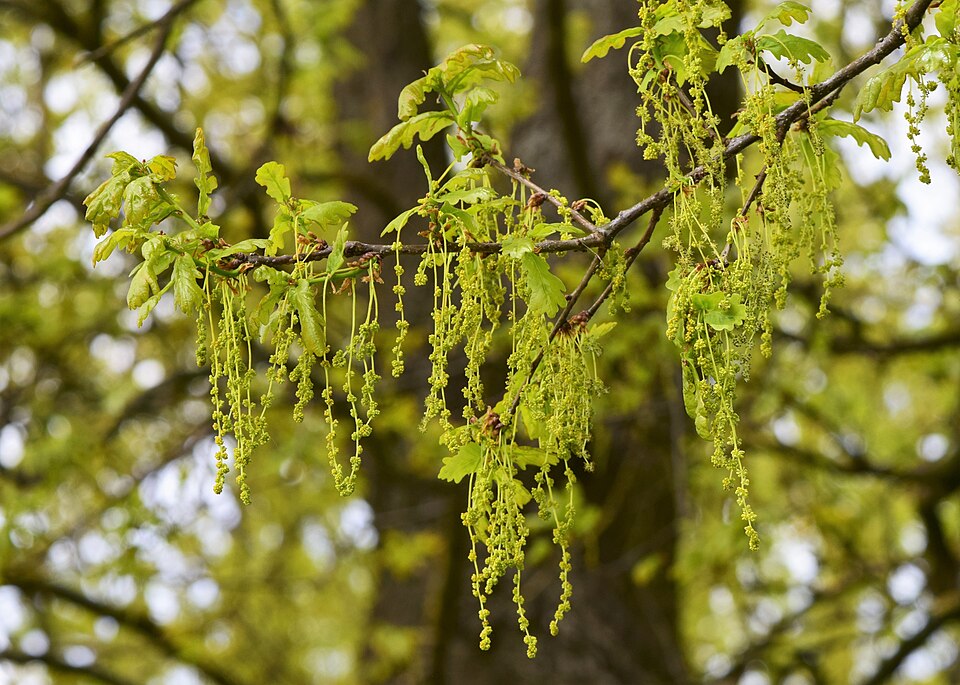
The common name pedunculate oak refers to the acorns being borne on a peduncule, or stalk.
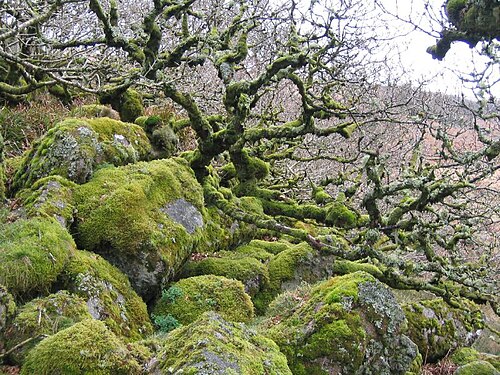
English oaks can live to very old ages, often growing for over 500 years, with some specimens believed to be over 1,000 years old. They are characterised by thick and heavily fissured bark.
Further reading
English Oak is one of the 3D puzzles in World Artifacts: turn a cloud of broken pieces until it lines up. For iPhone, iPad, Apple Vision Pro and Android.

