World Artifacts › Atlas › United Kingdom
Morris Dancer
Morris dancing nearly died out entirely; it survives because collectors went round in the early 1900s writing down the steps from the few old men who still knew them. The bells are tied at the knee to mark the beat with the feet.
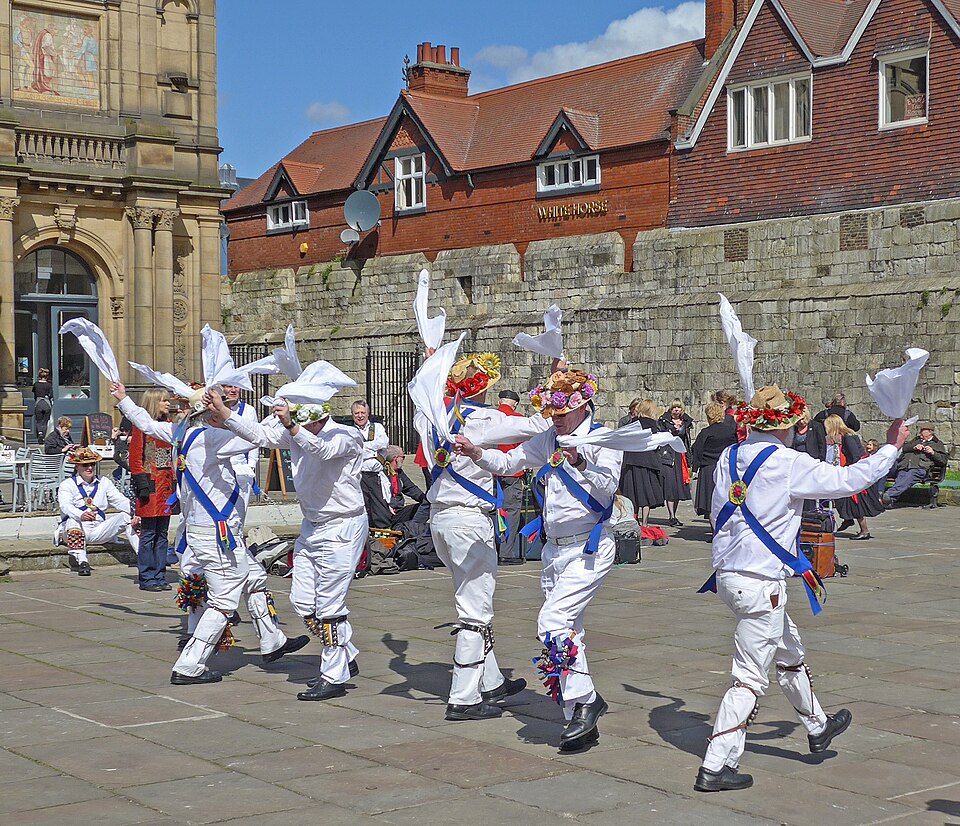
Morris dancing is a form of English folk dance. It is based on rhythmic stepping and sequences of choreographed movement by a group of dancers in costume, usually wearing bell pads on their shins, their shoes or both. A band or single musician, also costumed, will accompany them. Sticks, swords, handkerchiefs, and a variety of other implements may be used as accessories by the dancers.
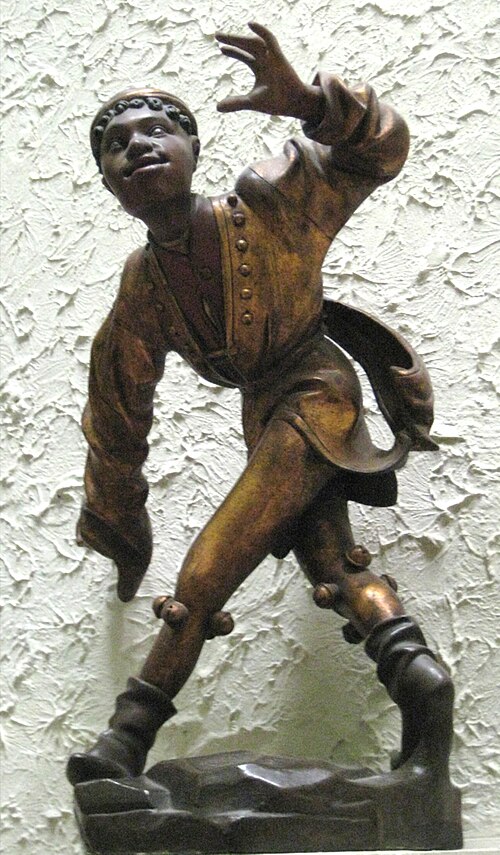
Morris dancing first appeared in England in the 15th century. Its earliest surviving mention dates to 1448 and records the payment of seven shillings to Morris dancers by the Goldsmiths' Company in London.
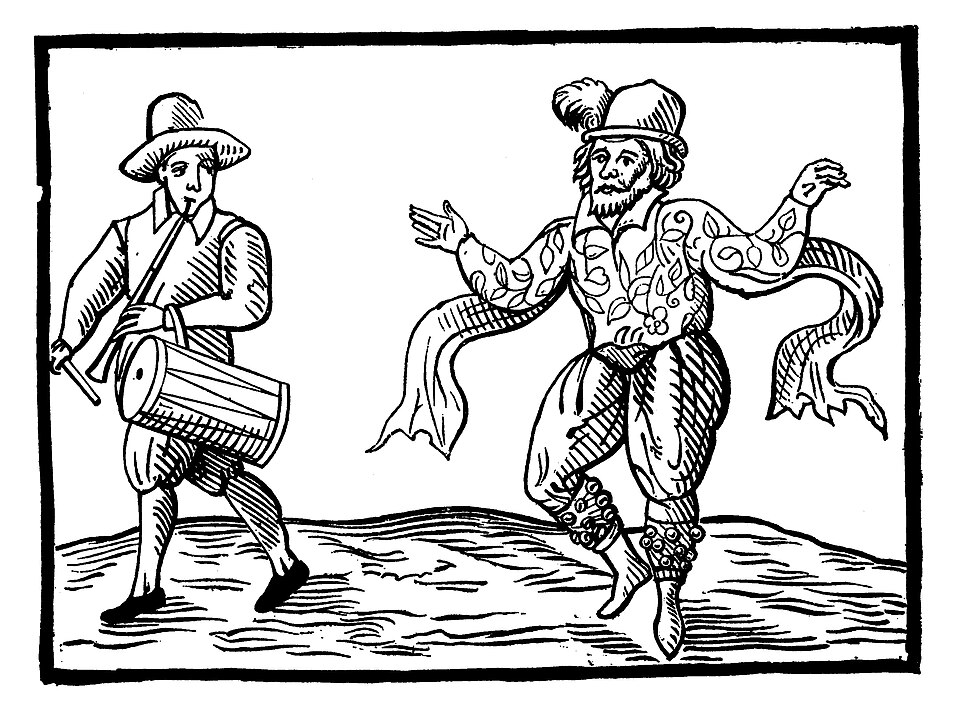
Three prominent groups organise and support Morris dancing in England: Morris Ring, Morris Federation and Open Morris; all three organisations have members from other countries as well.
There are around 150 Morris sides (or teams) in the United States. English immigrants form a large part of the Morris tradition in Australia, Canada, New Zealand and Hong Kong. There are relatively isolated groups in other countries, for example those in Utrecht and Helmond, Netherlands; the Arctic Morris Group of Helsinki, Finland and Stockholm, Sweden; as well as in Cyprus, St Petersburg, Russia, and in the Alsace-Basel region at the border of France and Switzerland.
Further reading
Morris Dancer is one of the 3D puzzles in World Artifacts: turn a cloud of broken pieces until it lines up. For iPhone, iPad, Apple Vision Pro and Android.

