World Artifacts › Atlas › United Kingdom
Newton's Apple
The apple did not hit him on the head; by his own account he watched one fall while wondering why it went straight down and not sideways. The tree it fell from still has descendants growing at his family home.
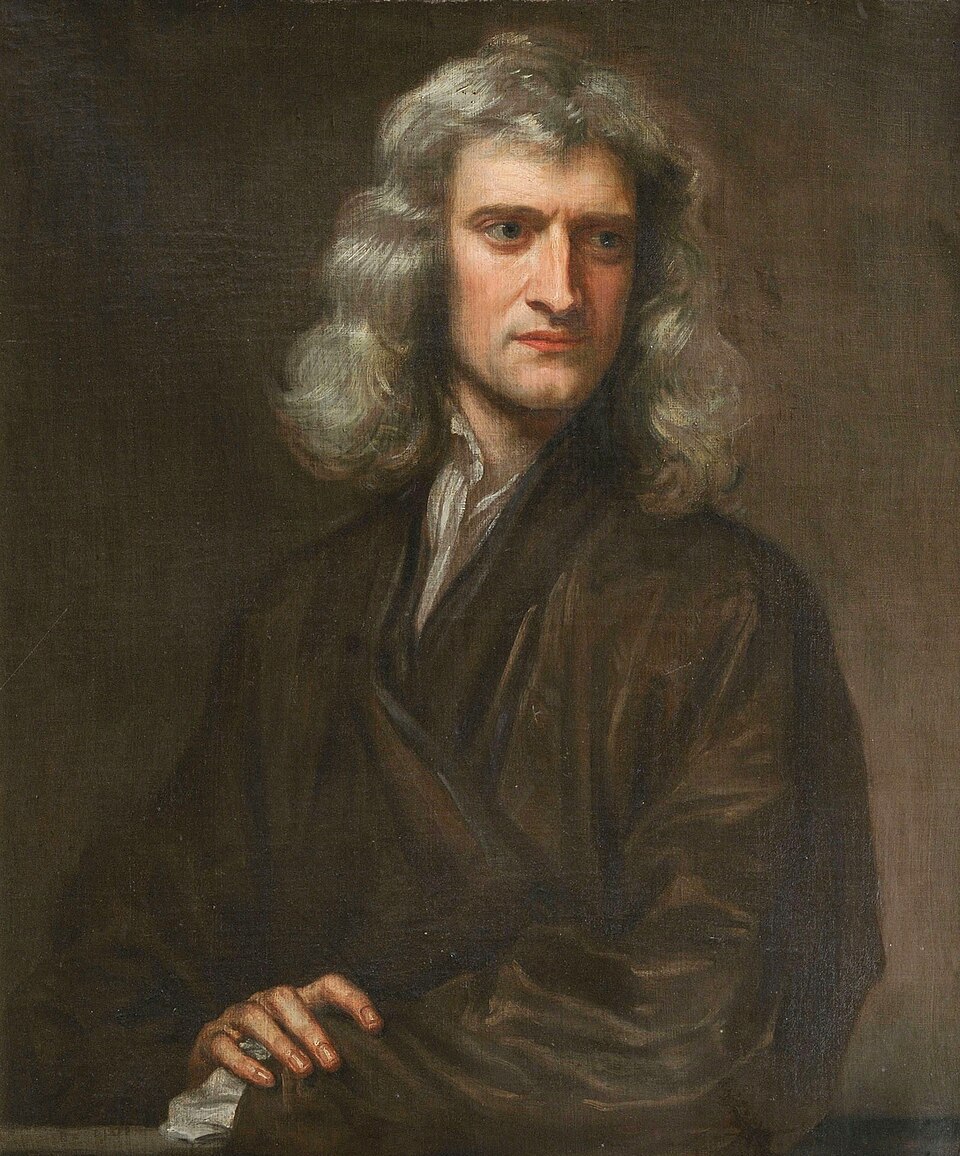
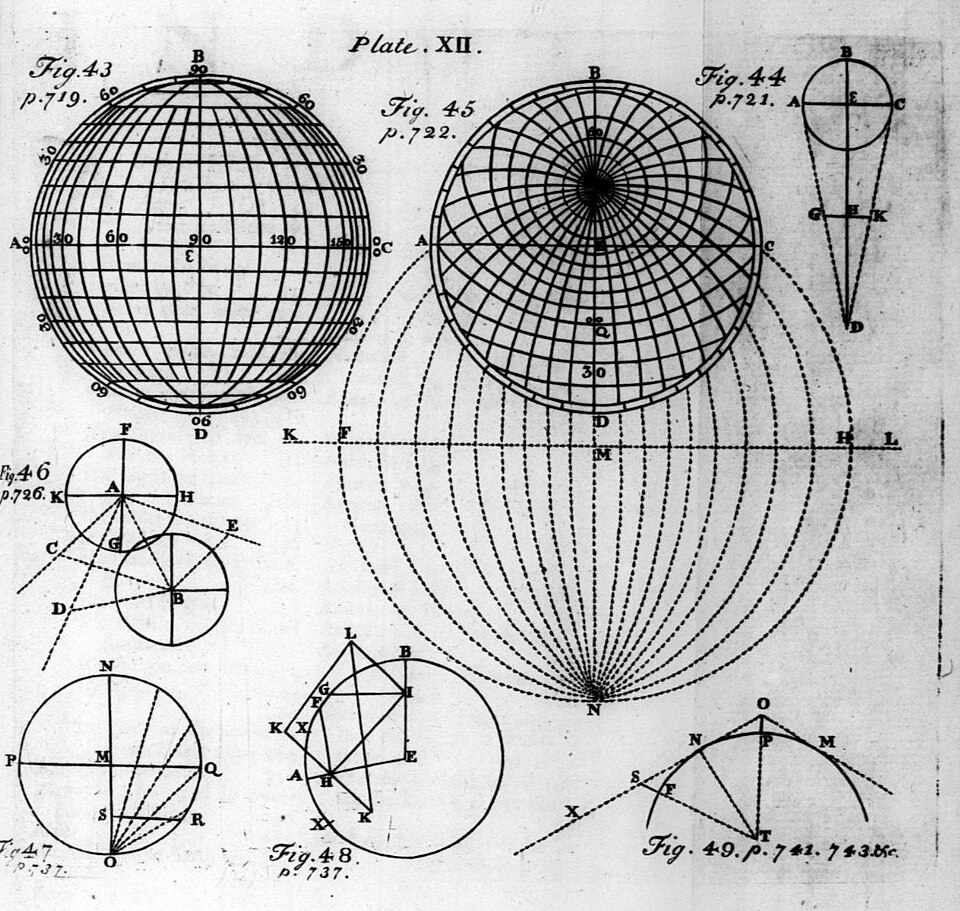
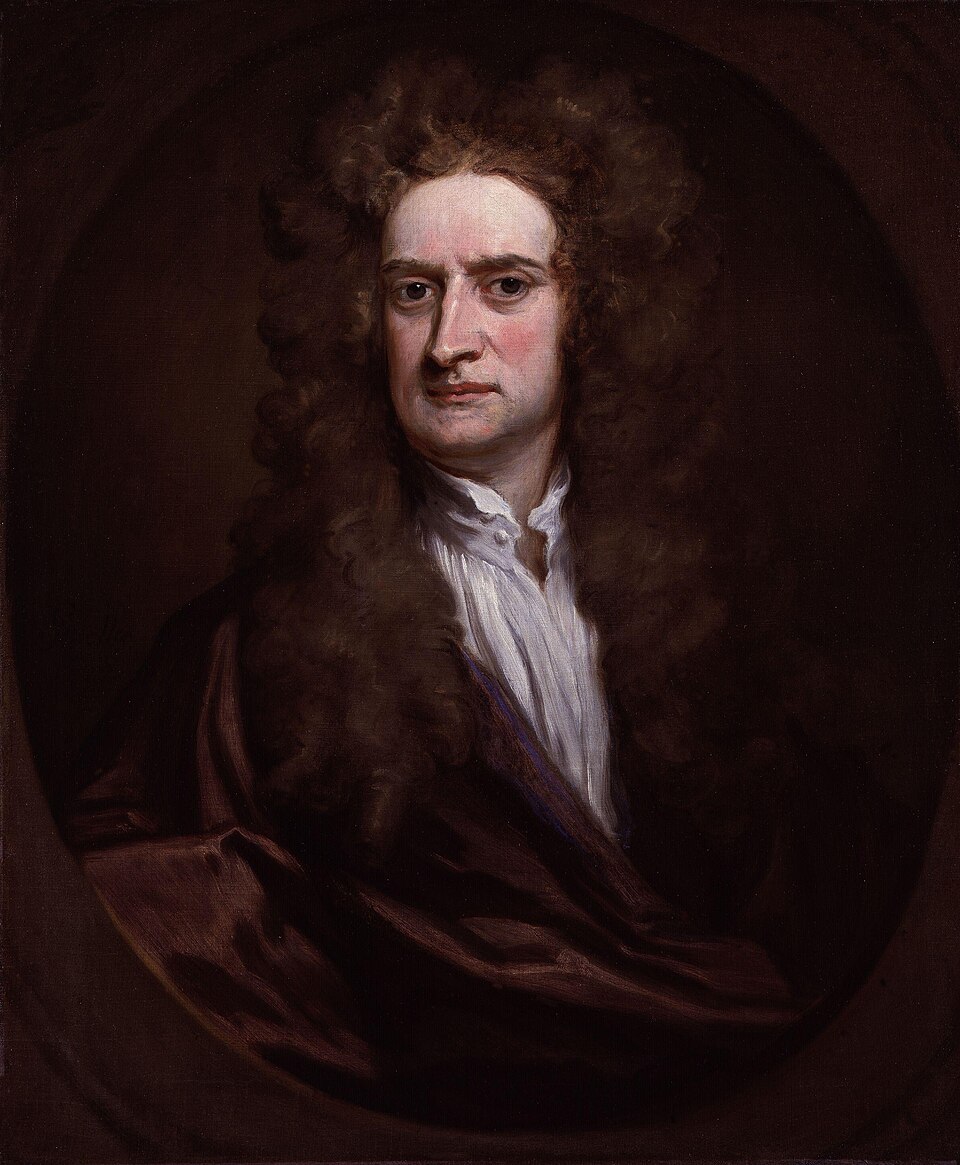
Sir Isaac Newton ( ; 4 January 1643 [O.S. 25 December 1642] - 31 March 1727 [O.S. 20 March 1726]) was an English polymath who was a mathematician, physicist, astronomer, alchemist, theologian, historian and inventor. He was a key figure in the Scientific Revolution and the Enlightenment that followed. His book Philosophiæ Naturalis Principia Mathematica (Mathematical Principles of Natural Philosophy), first published in 1687, achieved the first great unification in physics and established classical mechanics. Newton also made seminal contributions to optics, and shares credit with the German mathematician Gottfried Wilhelm Leibniz for formulating infinitesimal calculus, although he developed calculus years before Leibniz. Newton contributed to and refined the scientific method, and his work is considered the most influential in bringing forth modern science.
Further reading
- Never at rest · Richard S. Westfall (1980)A full scholarly biography of Isaac Newton, beginning with his entry to Trinity College, Cambridge.Find a copy: AbeBooks · Amazon · WorldCat
- Isaac Newton · James Gleick (2003)A biography of Isaac Newton, listed under physicists and biography.Find a copy: AbeBooks · Amazon · WorldCat
Newton's Apple is one of the 3D puzzles in World Artifacts: turn a cloud of broken pieces until it lines up. For iPhone, iPad, Apple Vision Pro and Android.

