World Artifacts › Atlas › United Kingdom
Suit of Armour
A full plate harness weighs about the same as a modern soldier's kit and spreads the weight over the whole body, so a fit man could mount a horse unaided and get up off the ground. The crane is a Victorian invention.
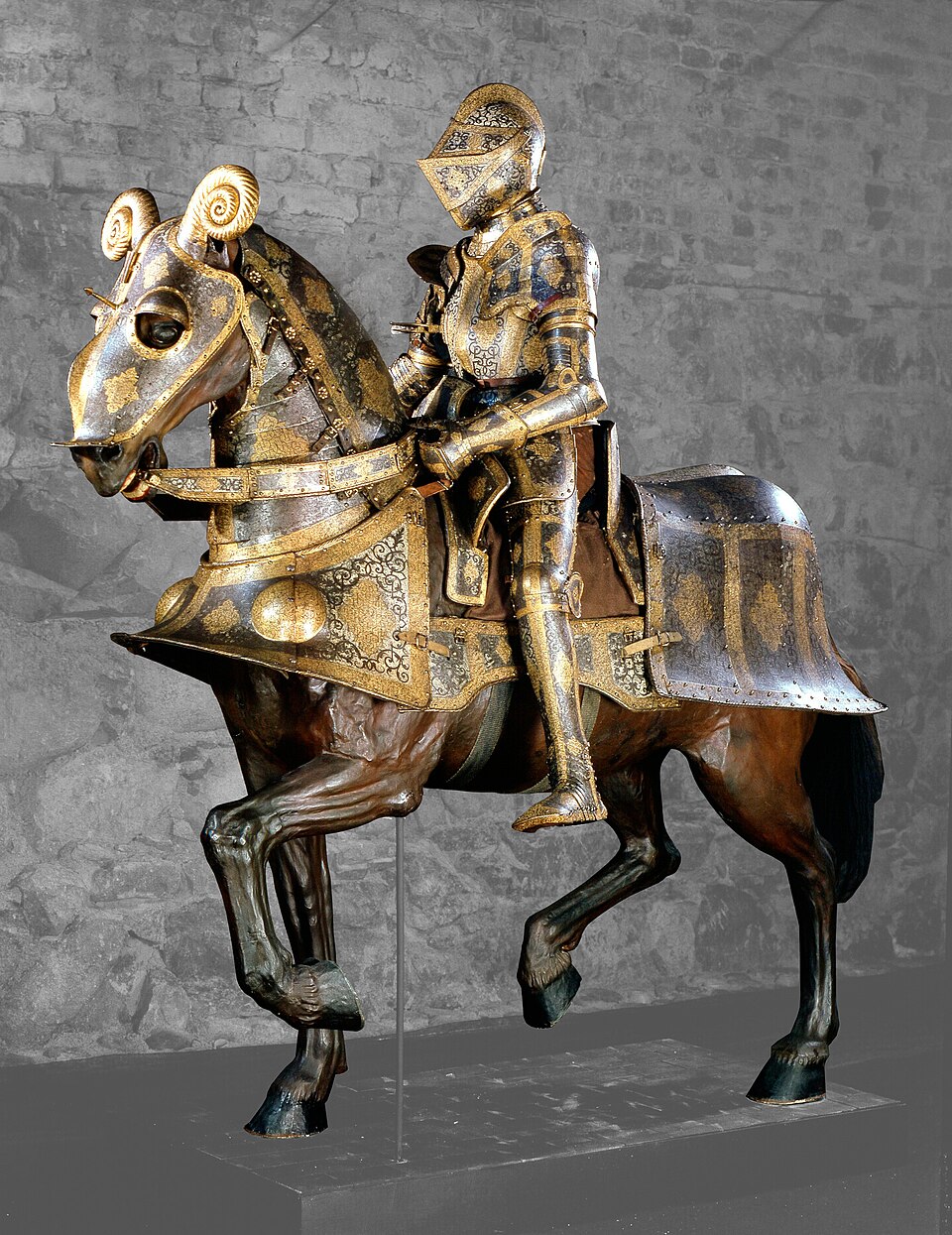
Plate armour is a historical type of personal body armour made from bronze, iron, or steel plates, culminating in suits of armour which entirely or mostly encased the wearer. Full plate steel armour developed in Europe during the Late Middle Ages, especially in the context of the Hundred Years' War, from the coat of plates (popular in late 13th and early 14th century) worn over mail suits during the 14th century, a century famous for transitional armour.
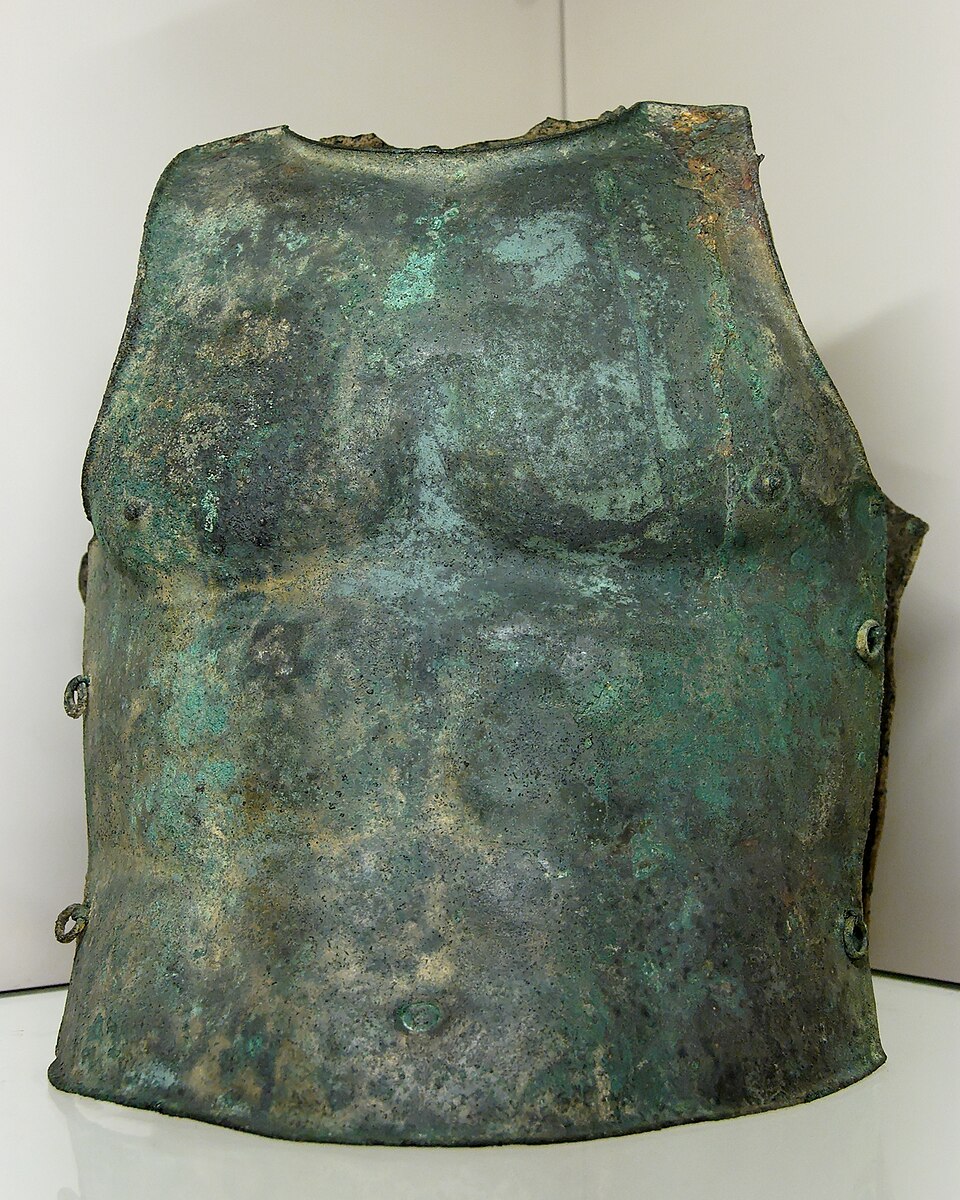
In Europe, full plate armour reached its peak in the 15th and 16th centuries. The full suit of armour, also referred to as a panoply, is thus a feature of the very end of the Middle Ages and the Renaissance period. Its popular association with the "medieval knight" is due to the specialised jousting armour which developed in the 16th century.
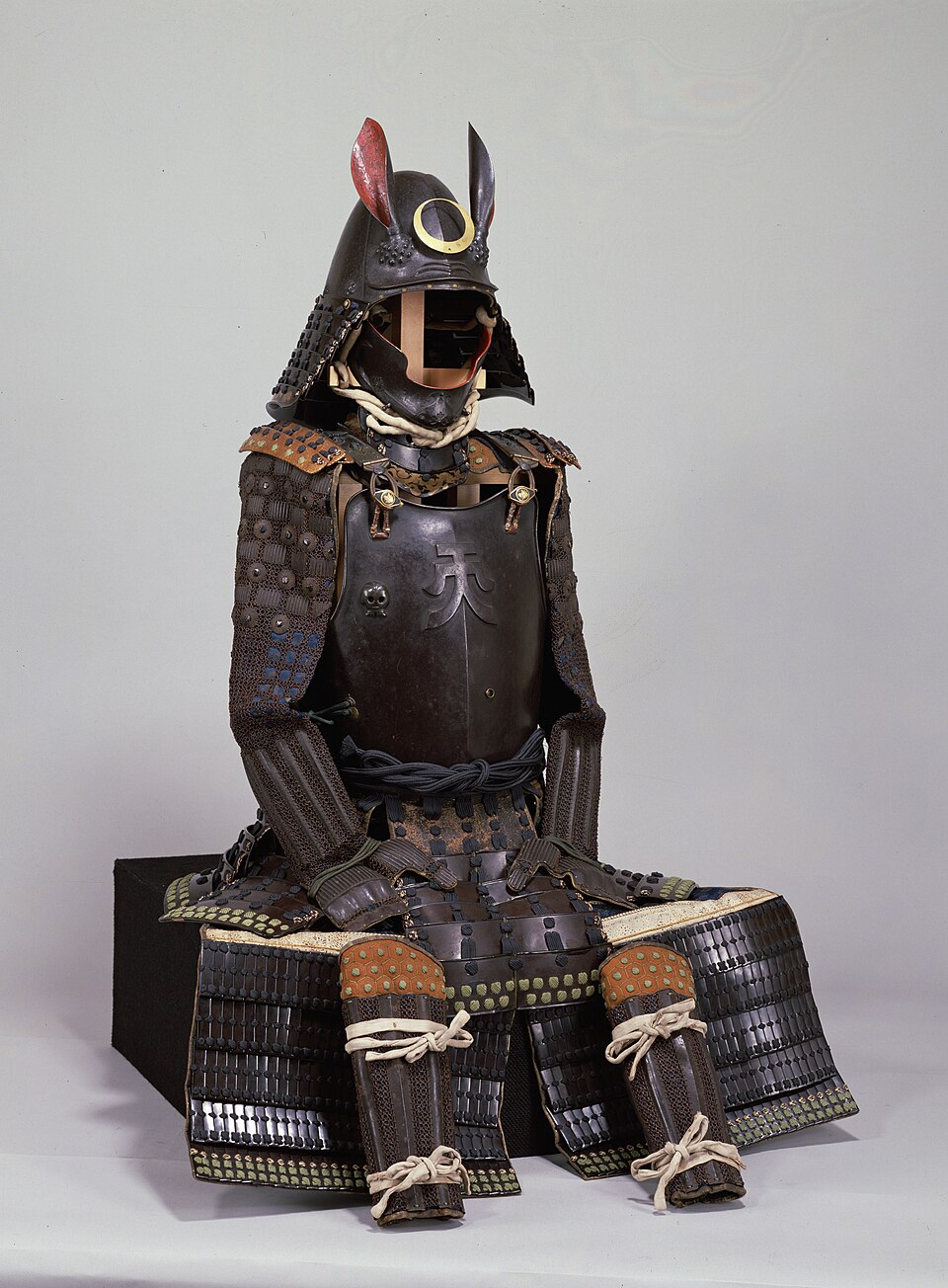
Full suits of Gothic and Milanese plate armour were worn on the battlefields of the Burgundian Wars, the Wars of the Roses, the Polish-Teutonic Wars, the Eighty Years' War, the French Wars of Religion, the Italian Wars, the Hungarian-Ottoman Wars, the Ottoman-Habsburg wars, the Polish-Ottoman Wars, a significant part of the Hundred Years' War, and even the Thirty Years' War. The most heavily armoured troops of the period were heavy cavalry, such as gendarmes and early cuirassiers, but the infantry troops of the Swiss mercenaries and the Landsknechts also took to wearing lighter suits of "three quarters" munition armour, leaving the lower legs unprotected.
Further reading
Suit of Armour is one of the 3D puzzles in World Artifacts: turn a cloud of broken pieces until it lines up. For iPhone, iPad, Apple Vision Pro and Android.

