World Artifacts › Atlas › Gambia
Batik Cloth
The wax-dyed cloth.
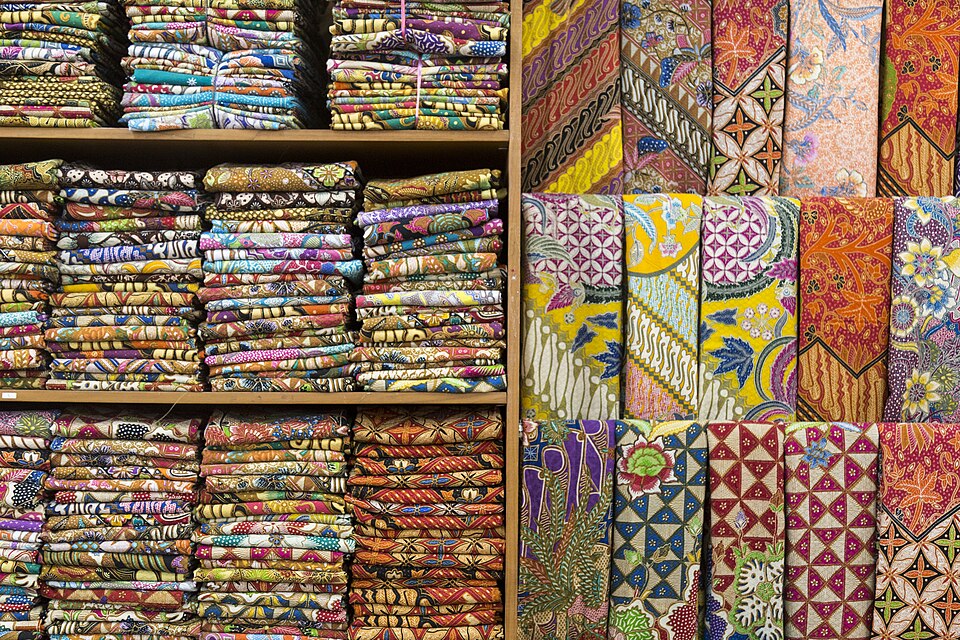
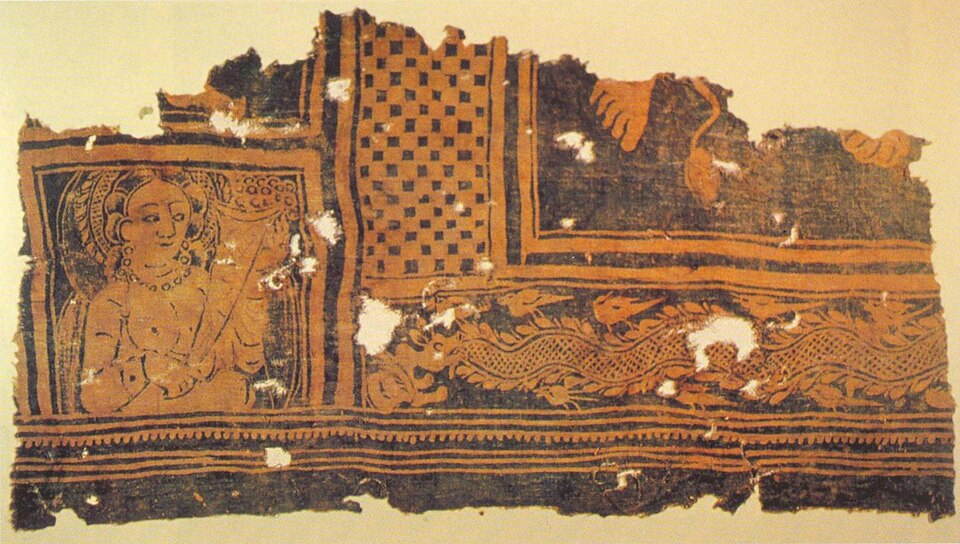
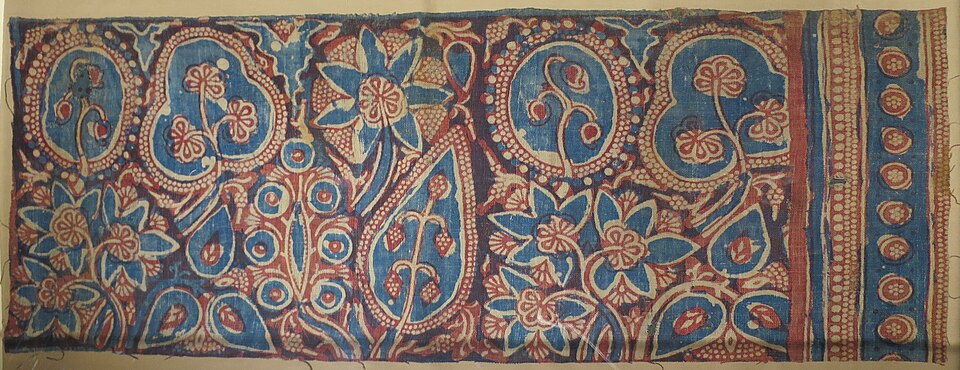
Batik is a dyeing technique using wax resist. The term is also used to describe patterned textiles created with that technique. Batik is made by drawing or stamping wax on a cloth to prevent colour absorption during the dyeing process. This creates a patterned negative when the wax is removed from the dyed cloth. Artisans may create intricate coloured patterns with multiple cycles of wax application and dyeing. Patterns and motifs vary widely even within countries. Some patterns hold symbolic significance and are used only in certain occasions, while others were created to satisfy market demand and fashion trends.
Further reading
- The origin of the wax block prints on the coast of West Africa · W. T. Kroese (1976)Covers the origin of wax block prints on the coast of West Africa.Find a copy: AbeBooks · Amazon · WorldCat
- Batik · Fiona Kerlogue (2004)A history of batik, drawn from art collections.Find a copy: AbeBooks · Amazon · WorldCat
Batik Cloth is one of the 3D puzzles in World Artifacts: turn a cloud of broken pieces until it lines up. For iPhone, iPad, Apple Vision Pro and Android.

