World Artifacts › Atlas › Greece
Archimedes' Screw
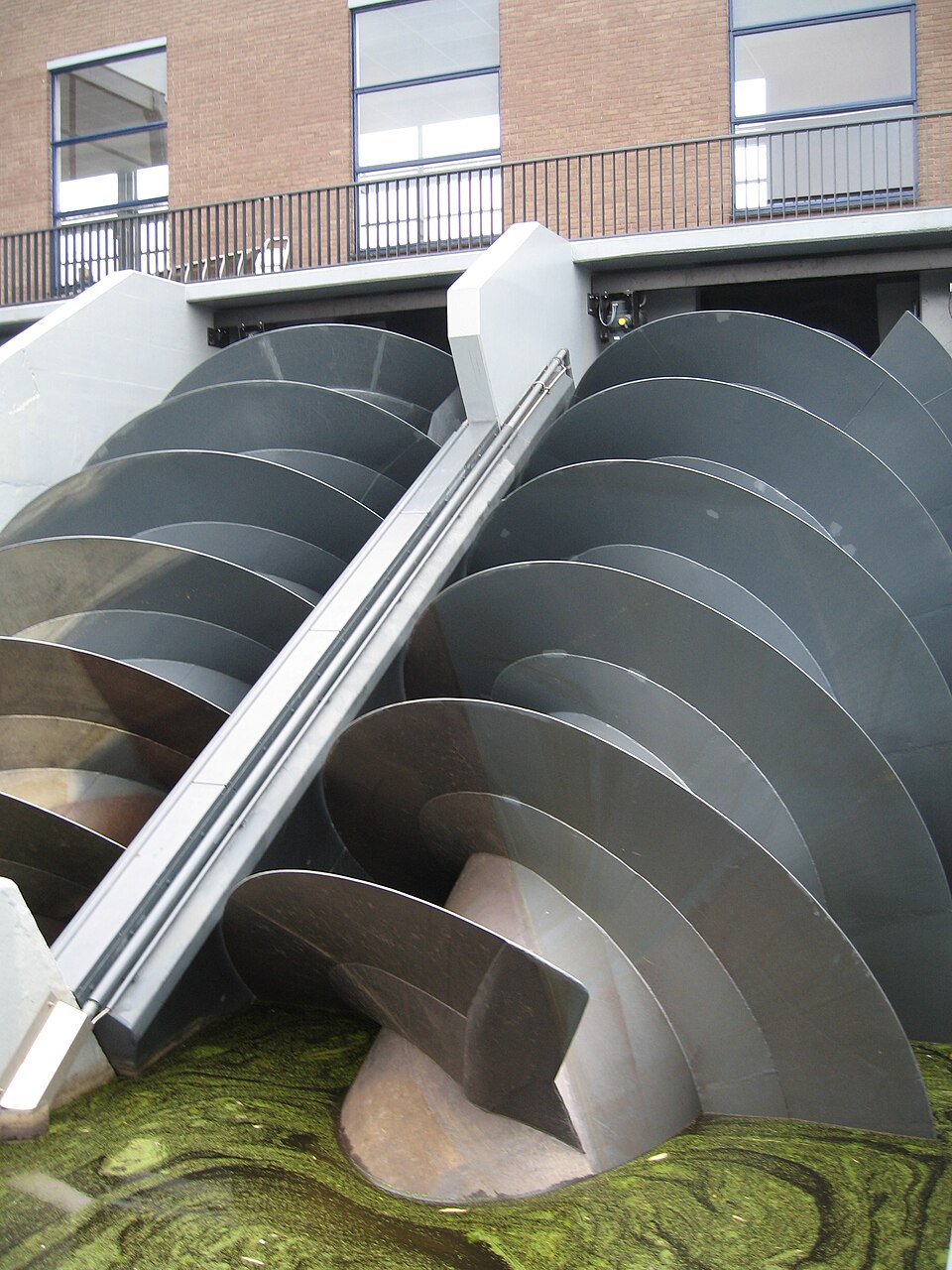
The screw lifts water uphill by turning, and it is still in use today, in irrigation and in sewage works, more or less unchanged. Archimedes may have described it rather than invented it.
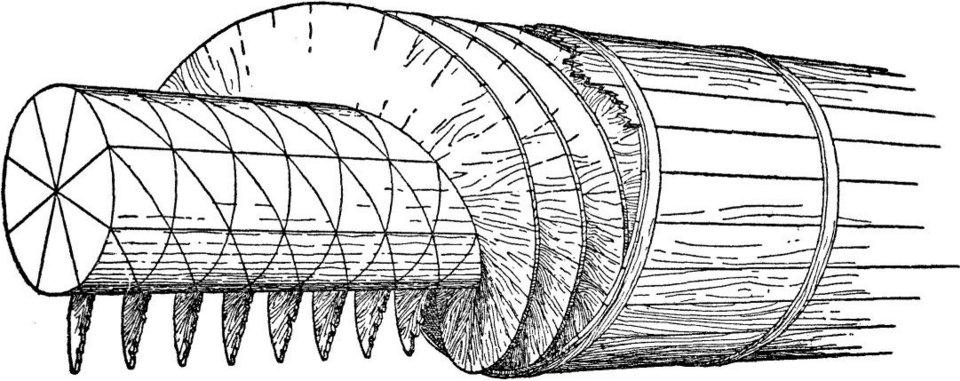
An Archimedes' screw is a hydraulic machine composed of an outer cylinder and an inner cylinder with helical blades. It can be operated both as a pump and a power generator, though it has been used for other purposes, such as drainage and sewage management.
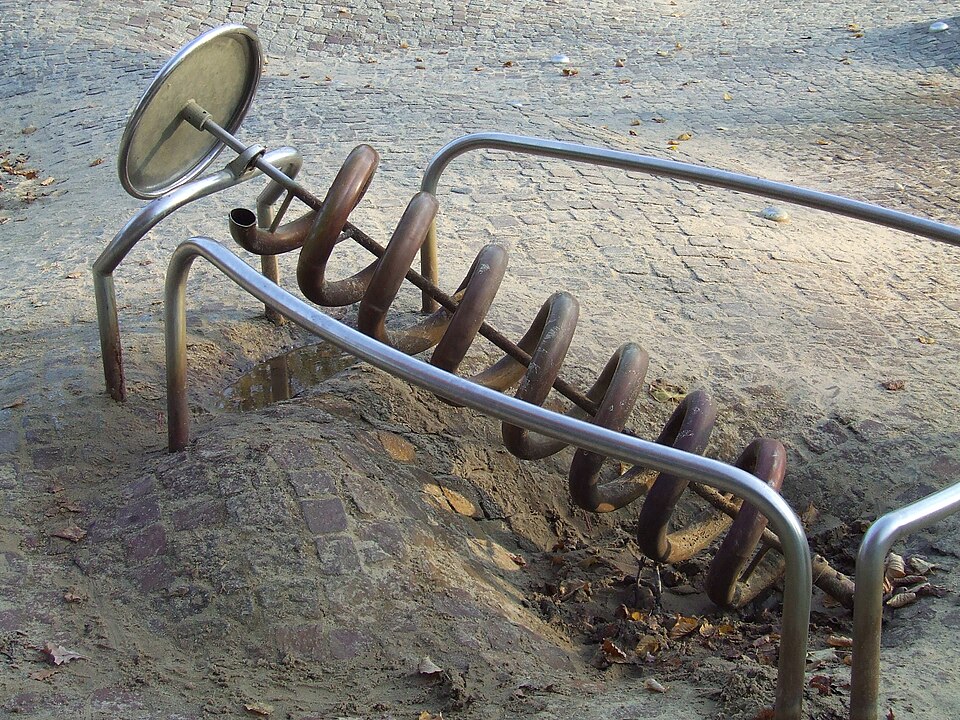
The origins of the water screw are unknown. Archimedes of Syracuse is traditionally credited with inventing the water screw, but other academics argue Archimedes found the Egyptians already using the screw. The earliest mention of the screw is from between 250 and 220 BC, and archaeological remains of water screws in Europe and Asia suggested that it was diffused across the territories of the Roman Empire, though the screw largely fell out of use in Europe in the third century AD. However, it resurfaced during Renaissance, with the screw introduced to other regions such as China and Japan. In 1991, a patent for the Archimedes screw turbine was filed, and the testing was done between 1993 and 1995.
Further reading
- Greek and Roman Mechanical Water-Lifting Devices · Joseph Oleson (1984)A study of Greek and Roman mechanical water-lifting devices, the category the Archimedean screw belongs to.Find a copy: AbeBooks · Amazon · WorldCat
- Archimedes · Eduard Jan Dijksterhuis (1956)A study of Archimedes, covering his life and mathematical work within Greek mathematics.Find a copy: AbeBooks · Amazon · WorldCat
Archimedes' Screw is one of the 3D puzzles in World Artifacts: turn a cloud of broken pieces until it lines up. For iPhone, iPad, Apple Vision Pro and Android.

