World Artifacts › Atlas › Greece
Cyclops
The islands are full of fossil skulls of dwarf elephants, which have a single large hole in the middle for the trunk. Whether that started the one-eyed giant is a guess, but it is a good one.
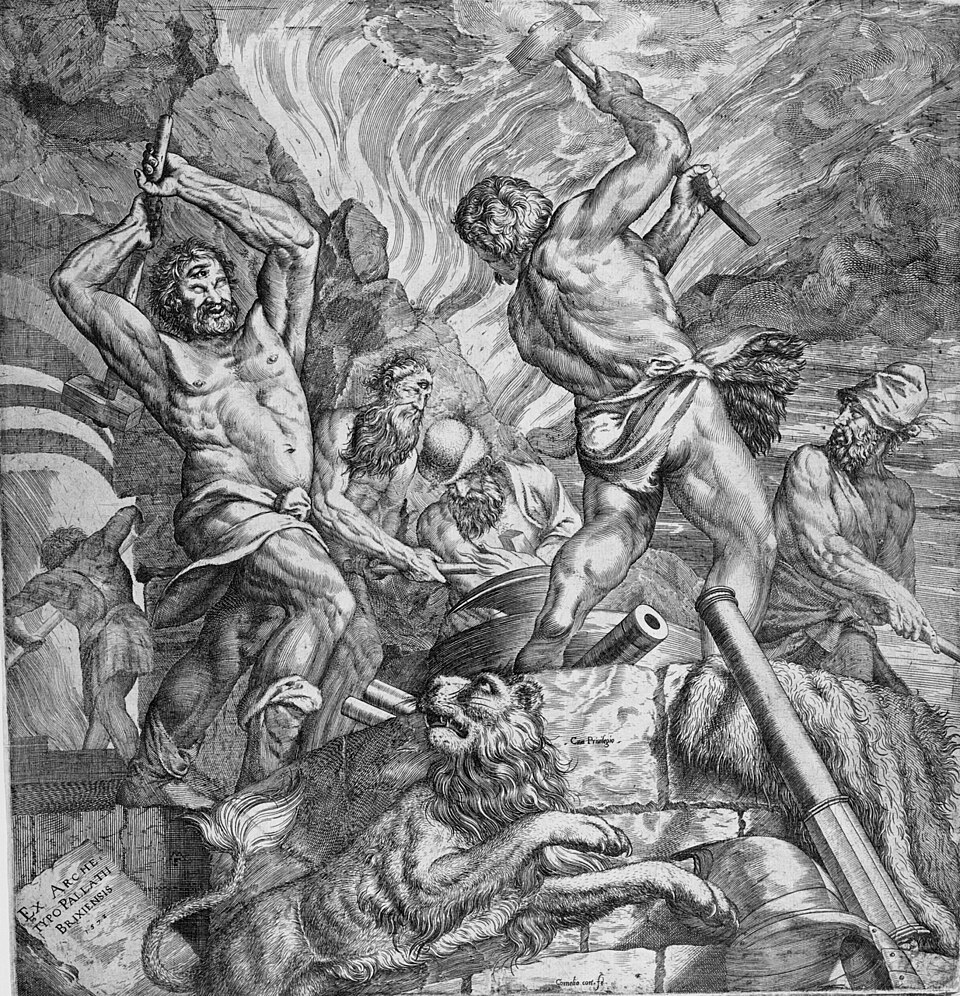
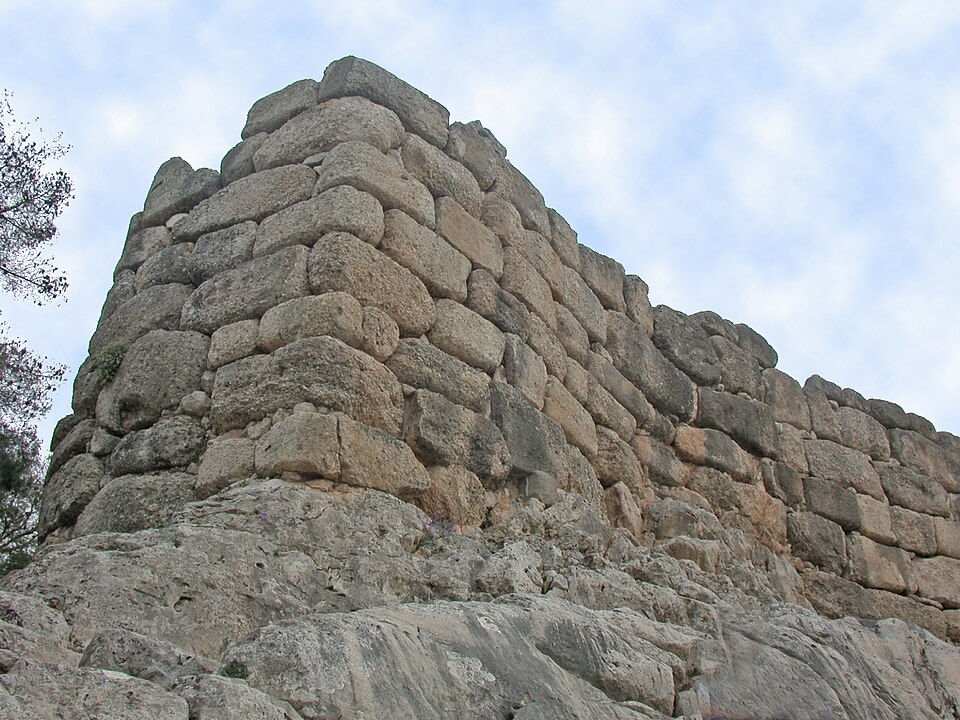
In Greek mythology and later Roman mythology, the Cyclopes (, sy-KLOH-peez; Greek: Κύκλωπες, Kýklōpes, "Circle-eyes" or "Round-eyes"; singular Cyclops , SY-klops; Κύκλωψ, Kýklōps) are giant one-eyed creatures. Three kinds of Cyclopes can be distinguished. In Hesiod's Theogony, the Cyclopes are three brothers - Brontes, Steropes, and Arges - who create Zeus's thunderbolt, Poseidon's trident, and Hades' Helm of Darkness. The Cyclopes of Homer's Odyssey are a group of uncivilized, cave-dwelling shepherds, including Polyphemus, whom Odysseus encounters. A third group of Cyclopes reputedly constructed the Cyclopean walls of Mycenae and Tiryns.
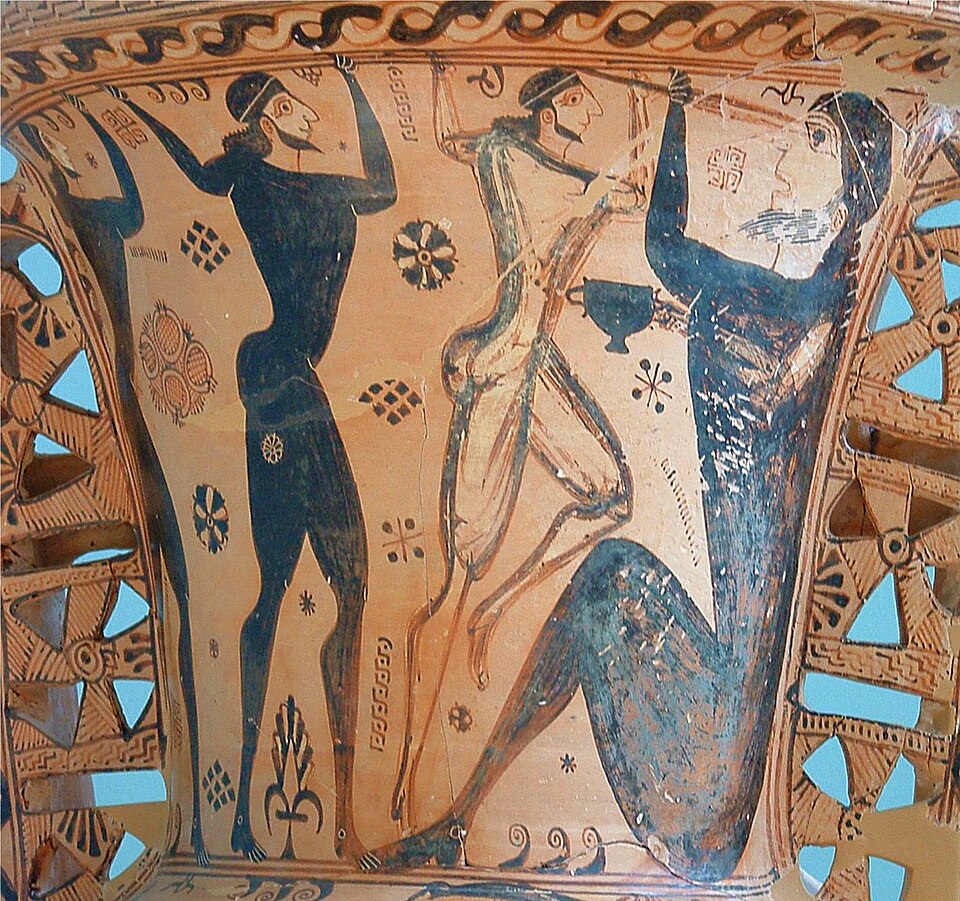
In Cyclops, the fifth-century BC play by Euripides, a chorus of satyrs offers comic relief based on the encounter of Odysseus and Polyphemus. The third-century BC poet Callimachus makes the Hesiodic Cyclopes the assistants of smith-god Hephaestus, as does Virgil in the Latin epic Aeneid, where he seems to equate the Hesiodic and Homeric Cyclopes. From at least the fifth century BC, Cyclopes have been associated with the Italian island of Sicily and the volcanic Aeolian Islands.
Further reading
- The First Fossil Hunters · Adrienne Mayor (2000)Adrienne Mayor's history of fossil discovery in the ancient world, including fossil finds on Greek islands such as Samos.Find a copy: AbeBooks · Amazon · WorldCat
- Cyclops · Mercedes Aguirre (2020)A book on the Cyclopes of Greek mythology, in a religion-focused treatment.Find a copy: AbeBooks · Amazon · WorldCat
Cyclops is one of the 3D puzzles in World Artifacts: turn a cloud of broken pieces until it lines up. For iPhone, iPad, Apple Vision Pro and Android.

