World Artifacts › Atlas › Greece
Easter Lamb on Spit
Orthodox Easter usually falls on a different Sunday from the western one, sometimes weeks apart, because it is calculated on the old calendar. The lamb is turned by hand over coals for most of the day.
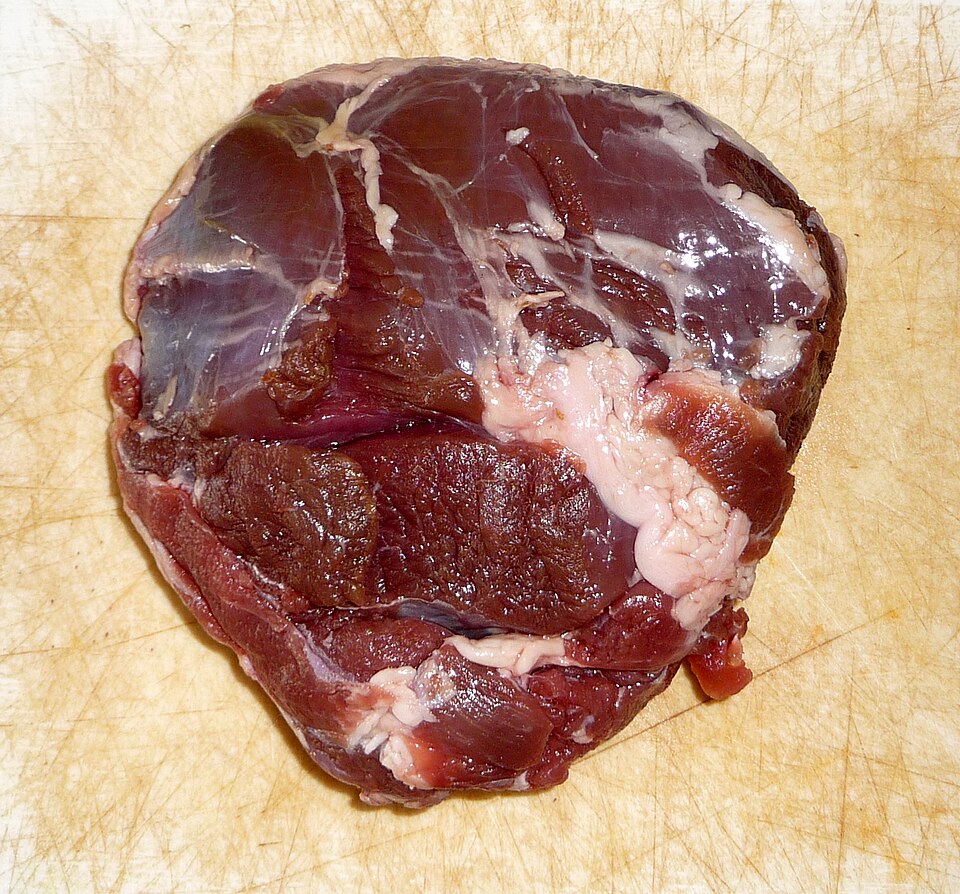
Lamb and mutton, collectively sheep meat (or sheepmeat), is meat from the domestic sheep, Ovis aries. It is generally divided into three types: lamb, from sheep in their first year; hogget, from sheep in their second; and mutton, from older sheep. The name "mutton" comes from French language mouton, sheep.
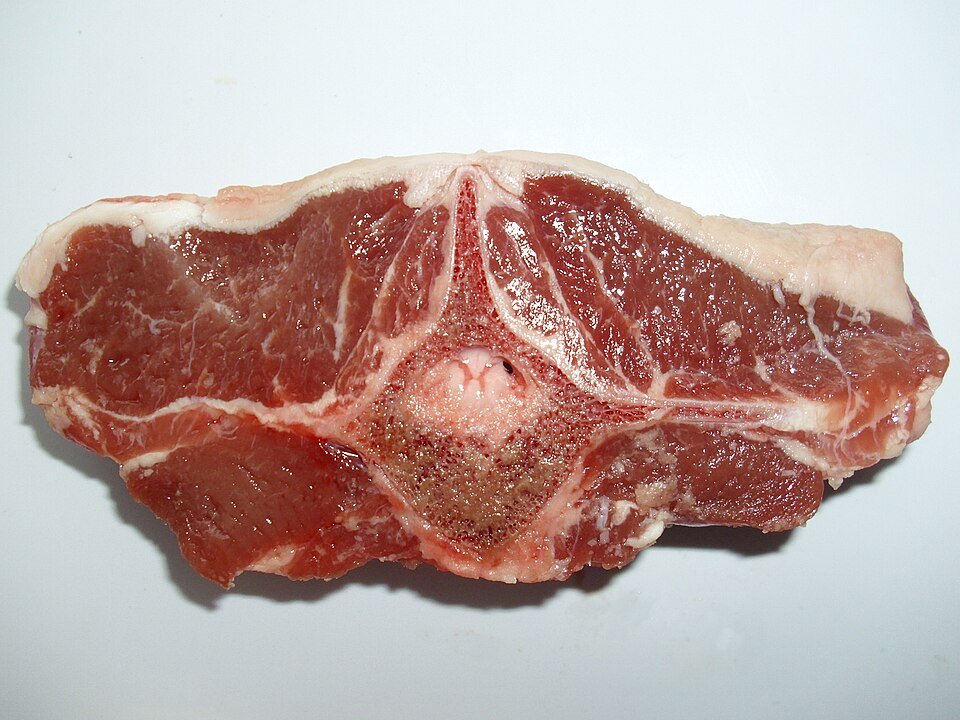
Lamb is the most expensive of the three types, and in recent decades, sheep meat has increasingly only been retailed as "lamb", sometimes stretching the accepted distinctions given above. The stronger-tasting mutton is now hard to find in many areas, despite the efforts of the Mutton Renaissance Campaign in the UK. In Australia, the term prime lamb is often used to refer to lambs raised for meat. Other languages, such as French, Spanish, and Italian, make similar or even more detailed distinctions among sheep meats by age and sometimes by sex and diet - for example, lechazo in Spanish refers to meat from milk-fed (unweaned) lambs.
Further reading
- The Glorious Foods of Greece · Diane Kochilas (2001)A book on Greek food habits and cooking.Find a copy: AbeBooks · Amazon · WorldCat
- The foods of the Greek islands · Aglaia Kremezi (2000)A book on Greek island cookery and the shared meals of traditional Greek life.Find a copy: AbeBooks · Amazon · WorldCat
Easter Lamb on Spit is one of the 3D puzzles in World Artifacts: turn a cloud of broken pieces until it lines up. For iPhone, iPad, Apple Vision Pro and Android.

