World Artifacts › Atlas › Greece
Mount Olympus
Olympus has more than fifty peaks and was thought unclimbable rather than merely holy; the summit was not reached, as far as anyone recorded, until 1913. Cloud sits on the top most days, which is how it earned the reputation.
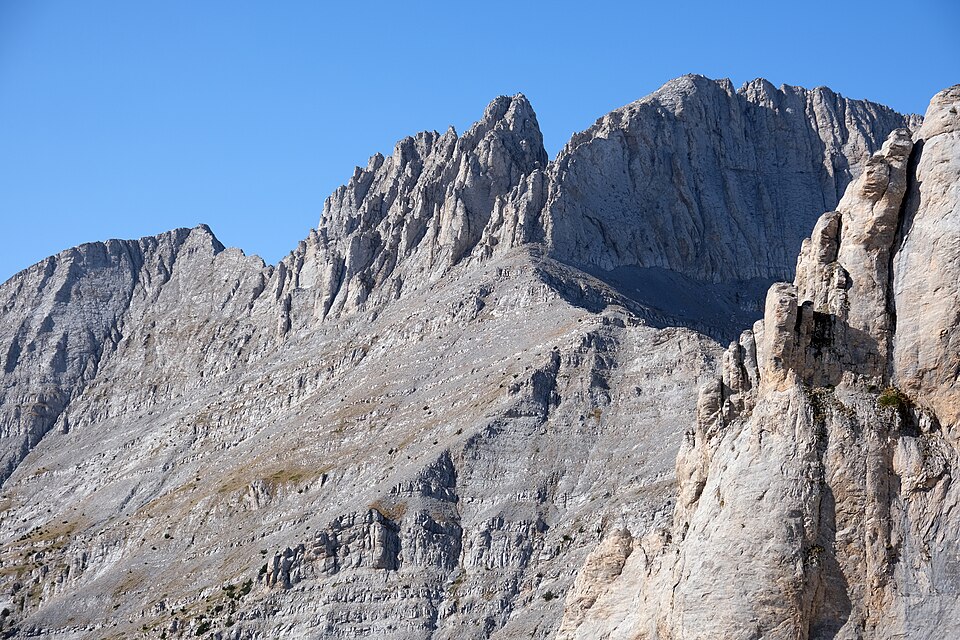
Mount Olympus (, Greek: Όλυμπος, romanized: Ólympos, IPA: [ˈoli(m)bos]) is an extensive massif near the Thermaic Gulf of the Aegean Sea, in Greece, located on the border between Thessaly and Macedonia, between the regional units of Larissa and Pieria, about 80 km (50 mi) southwest from Thessaloniki. Mount Olympus has 52 peaks and deep gorges.
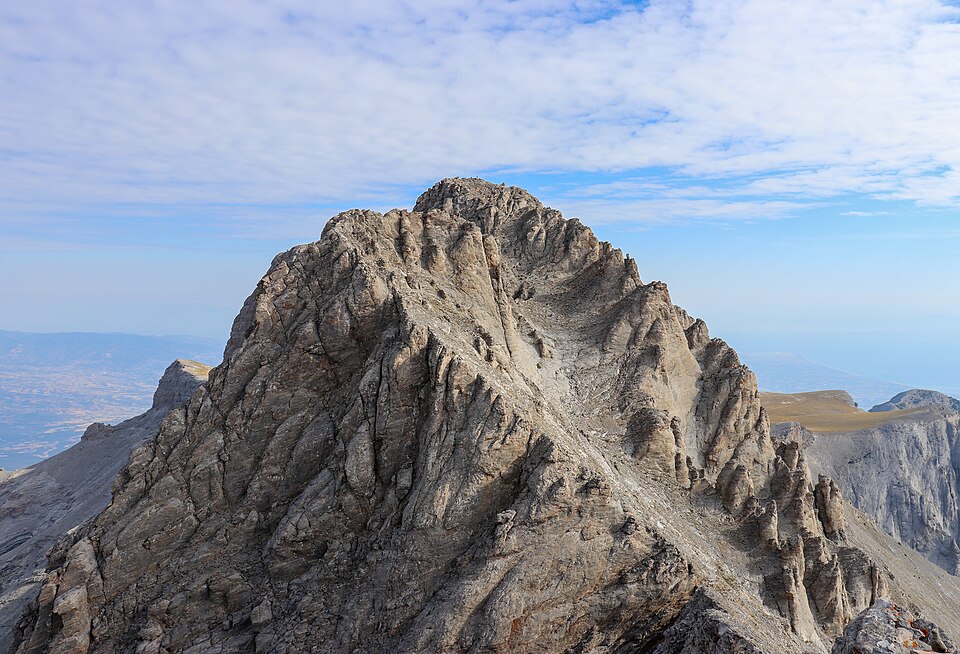
The highest peak, Mytikas (Μύτικας Mýtikas), meaning "nose", rises to 2,917.727 metres (9,572.60 ft) and is the highest peak in Greece, and one of the highest peaks in Europe in terms of topographic prominence.
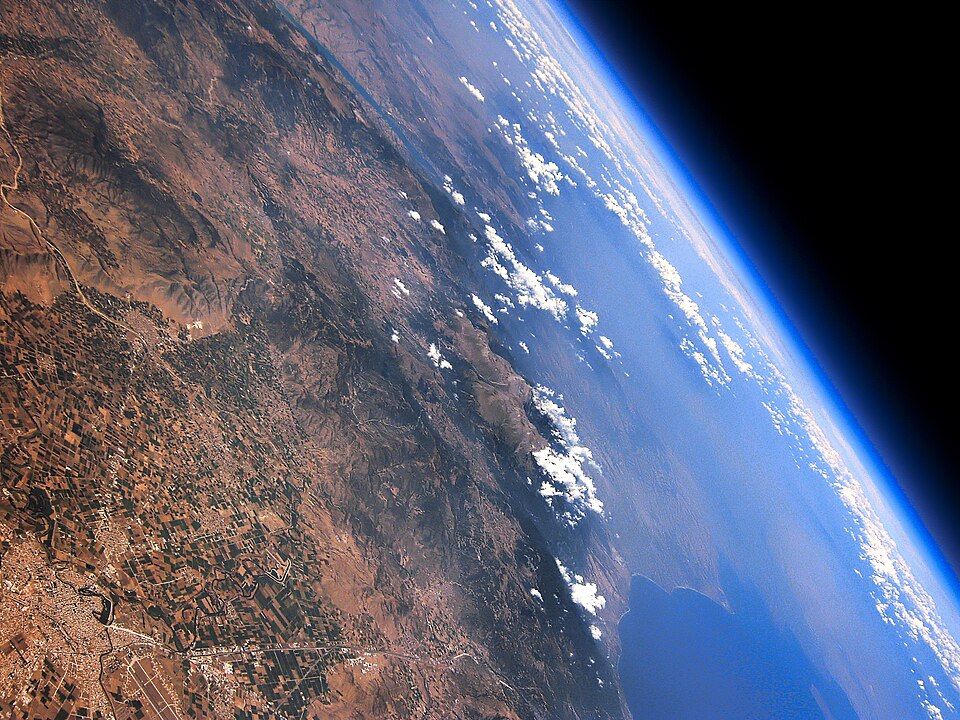
In Greek mythology, Olympus is the home of the Greek gods. The mountain has exceptional biodiversity and rich flora. It has been a National Park, the first in Greece, since 1938. It is also a World Biosphere Reserve. In July 2026, the wider area of Mount Olympus was inscribed on the UNESCO World Heritage List as a mixed World Heritage Site, in recognition of its natural and cultural significance.
Olympus remains the most popular hiking summit in Greece, as well as one of the most popular in Europe. Organized mountain refuges and various mountaineering and climbing routes are available. The usual starting point is the town of Litochoro which lies in the eastern foothills of the mountain, some 100 km (62 mi) from Thessaloniki.
Further reading
Mount Olympus is one of the 3D puzzles in World Artifacts: turn a cloud of broken pieces until it lines up. For iPhone, iPad, Apple Vision Pro and Android.

