World Artifacts › Atlas › Greece
Sandals
The best-known sandal shop in Athens belonged to a shoemaker who published poetry and was visited for the poems as much as the sandals. The design itself, cut and stitched to the foot, has not changed much in two thousand years.

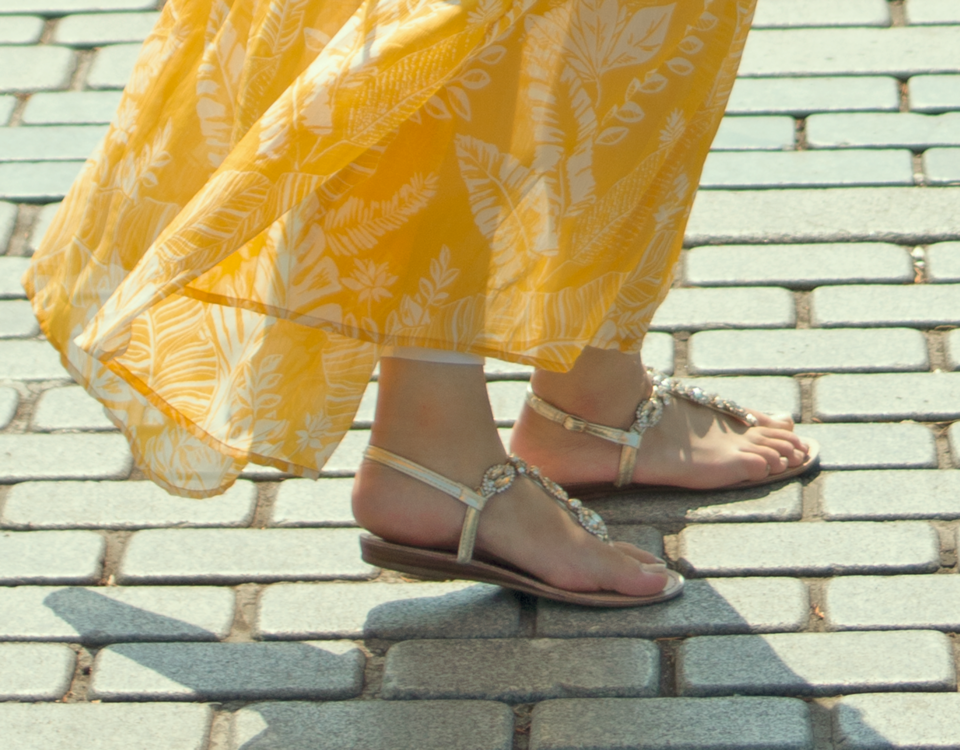
Sandals are an open type of footwear consisting of a sole held to the wearer's foot by straps that go over the instep and around the ankle. Sandals may also feature a heel of varying heights. While the distinction between sandals and other types of footwear can sometimes be unclear (as with huaraches - the woven leather footwear from Mexico - and peep-toe pumps), sandals are generally understood to leave most of the foot exposed.
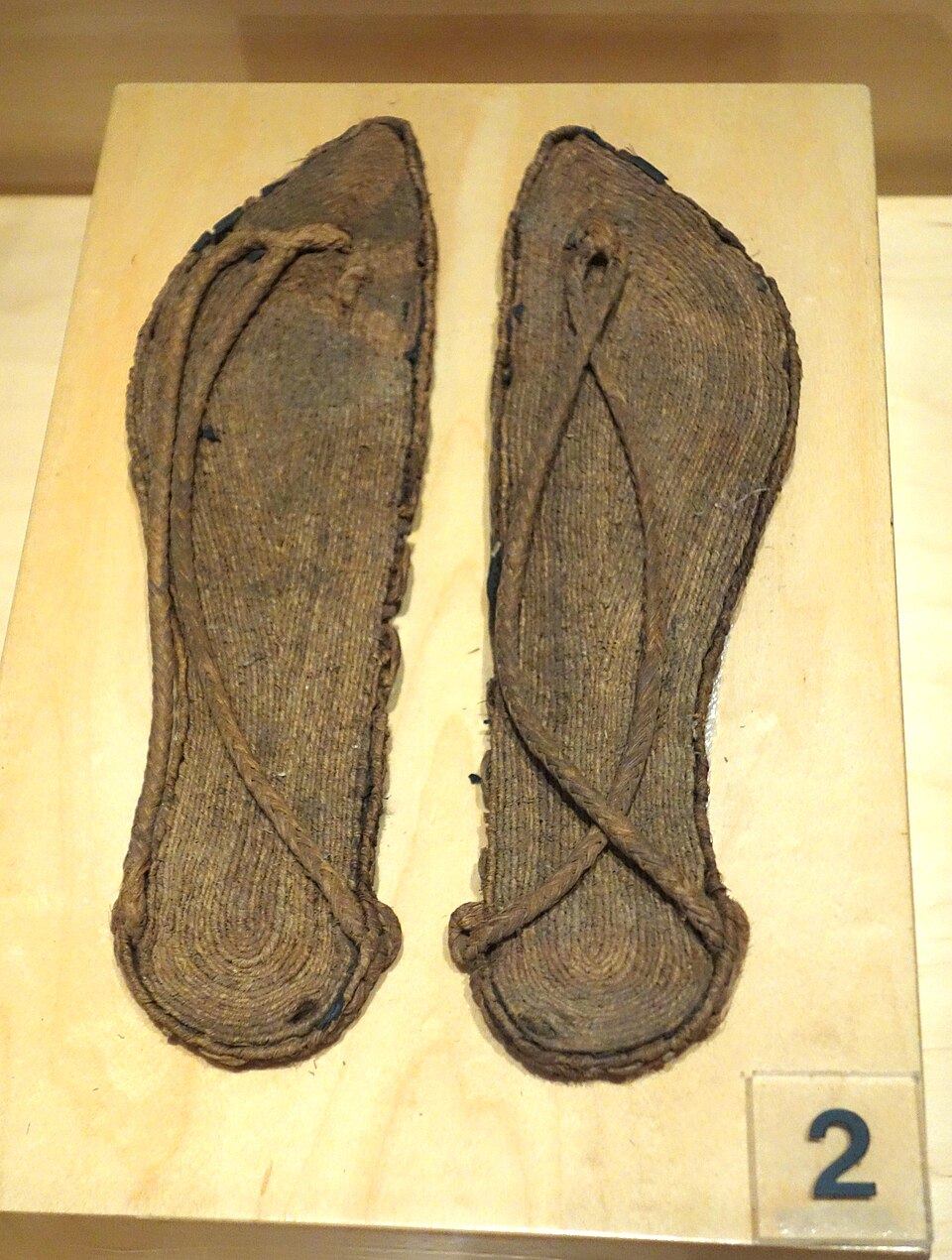
People choose to wear sandals for several reasons, including comfort in warm weather, economic benefits (sandals typically require less material than closed shoes and are easier to manufacture), and as a fashion statement. Sandals are commonly worn in warmer climates or during warmer seasons to keep feet cool and dry. The open design reduces the risk of developing athlete's foot compared to enclosed shoes, and wearing sandals may be part of the treatment regimen for such infections.
Further reading
Sandals is one of the 3D puzzles in World Artifacts: turn a cloud of broken pieces until it lines up. For iPhone, iPad, Apple Vision Pro and Android.

