World Artifacts › Atlas › Greece
Sisyphus' Boulder
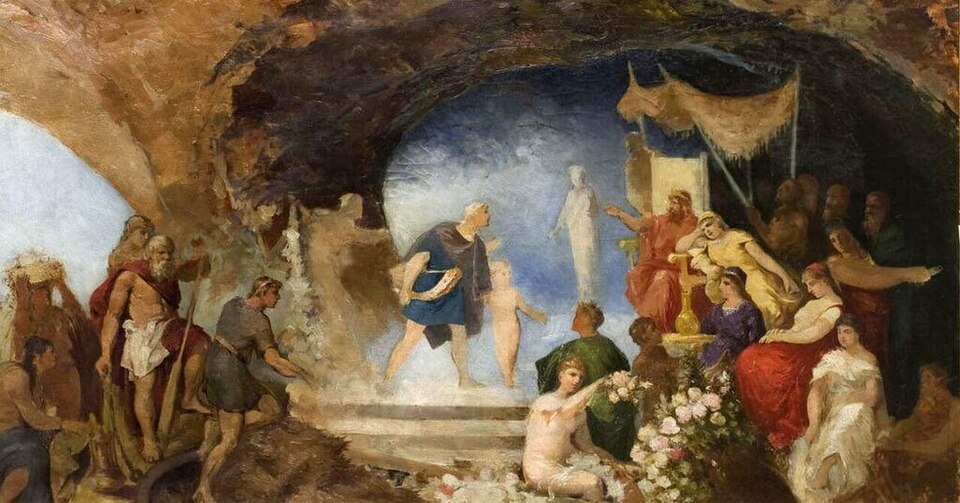
Sisyphus was not punished for pride but for cheating death twice, including chaining up Death himself so that nobody in the world could die. The rock is a sentence tailored to a man who would not stop scheming.
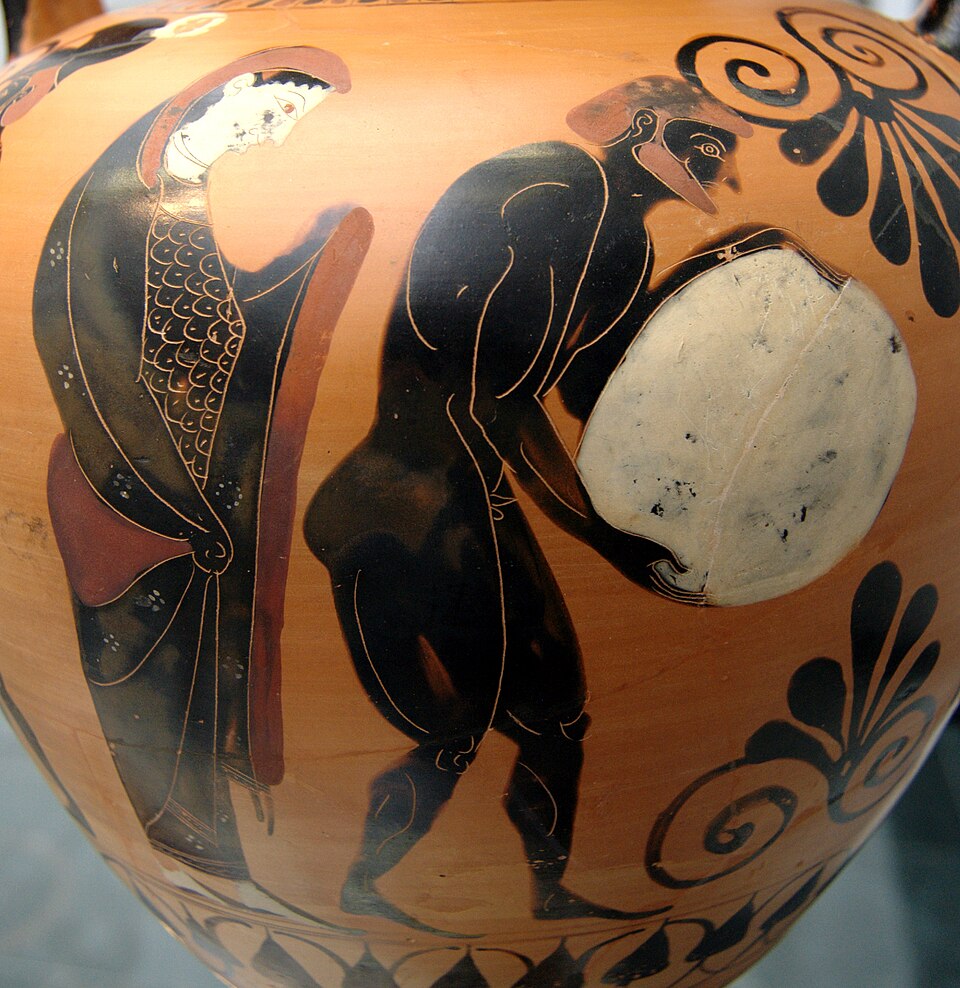
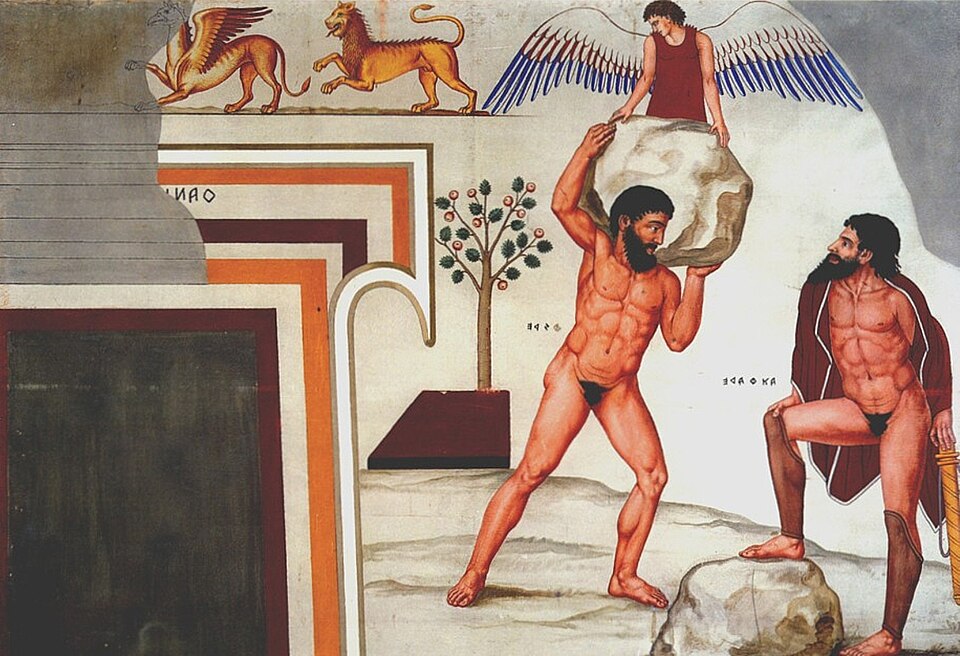
In Greek mythology, Sisyphus or Sisyphos ( ; Ancient Greek: Σίσυφος, romanized: Sísyphos) is the founder and king of Ephyra (now known as Corinth). He reveals Zeus's abduction of Aegina to the river god Asopus, thereby incurring Zeus's wrath. His subsequent cheating of death earns him eternal punishment in the underworld, once he dies of old age. The gods condemned him to push an immense boulder up a hill only for it to roll back down every time it neared the top, repeating this action for eternity. Through the classical influence on contemporary culture, tasks that are laborious, futile, and never-ending are therefore often described as Sisyphean. ().
Further reading
Sisyphus' Boulder is one of the 3D puzzles in World Artifacts: turn a cloud of broken pieces until it lines up. For iPhone, iPad, Apple Vision Pro and Android.

