World Artifacts › Atlas › Croatia
Peka Lid
A peka is a domed metal lid put over the food and buried in embers on the hearth, so the heat comes from above and below at once. Meat and potatoes cooked this way take a couple of hours and are ordered in advance at any restaurant that does it.
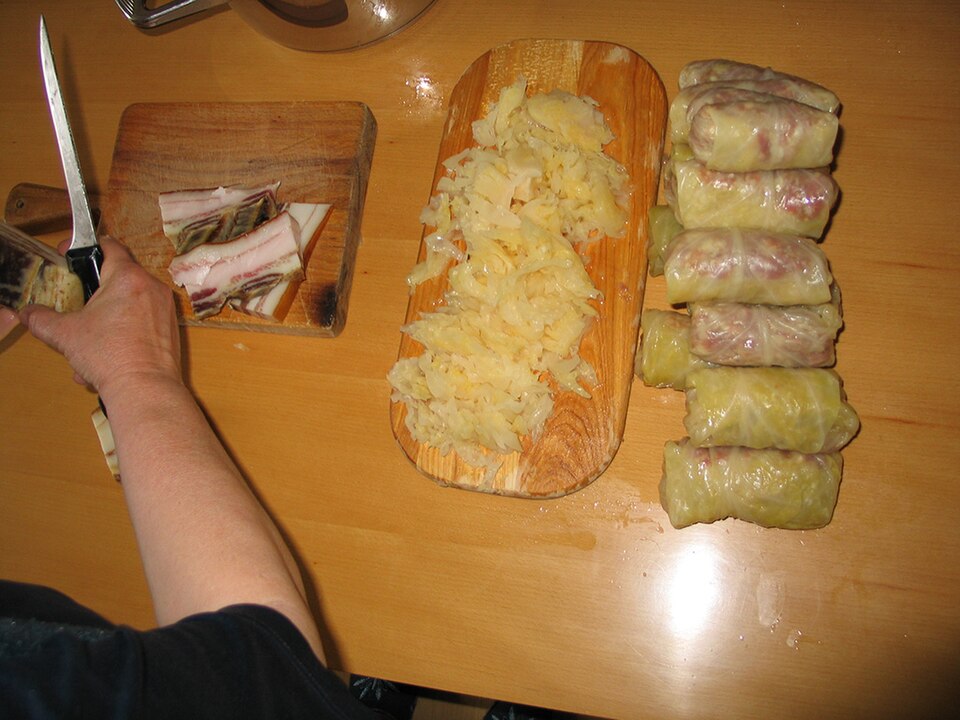
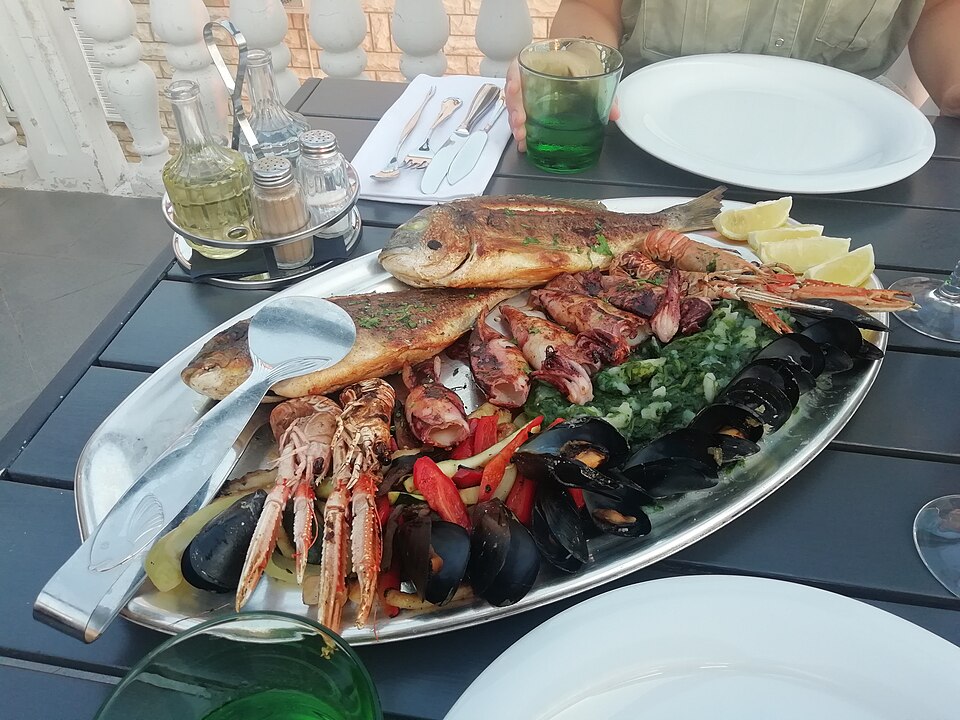
Croatian cuisine (Croatian: Hrvatska kuhinja) is heterogeneous and is known as a cuisine of the regions, since every region of Croatia has its own distinct culinary tradition. Its roots date back to ancient times. The differences in the selection of foodstuffs and forms of cooking are most notable between those in mainland and those in coastal regions. Mainland cuisine is more characterized by Slavic features and influences from the more recent contacts with Turkish, Hungarian and Austrian cuisine, using lard for cooking, and spices such as black pepper, paprika, and garlic. The coastal region bears the influences of Greek and Roman cuisine, as well as of the later Mediterranean cuisine, in particular Italian (especially Venetian). Coastal cuisines use olive oil, herbs and spices such as rosemary, sage, bay leaf, oregano, marjoram, cinnamon, clove, nutmeg, and lemon and orange rind. Peasant cooking traditions are based on imaginative variations of several basic ingredients (cereals, dairy products, meat, fish, vegetables, nuts) and cooking procedures (stewing, grilling, roasting, baking), while bourgeois cuisine involves more complicated procedures and use of selected herbs and spices. Charcuterie is part of the Croatian culinary tradition in all regions. Food and recipes from other former Yugoslav countries are also popular in Croatia.
Peka Lid is one of the 3D puzzles in World Artifacts: turn a cloud of broken pieces until it lines up. For iPhone, iPad, Apple Vision Pro and Android.

