World Artifacts › Atlas › Croatia
Vučedol Dove
The little clay bird is around five thousand years old and was found in 1938; it is probably a partridge rather than a dove, and it may be a ritual vessel. It was on the banknote and became a national emblem before anyone had settled what it was.
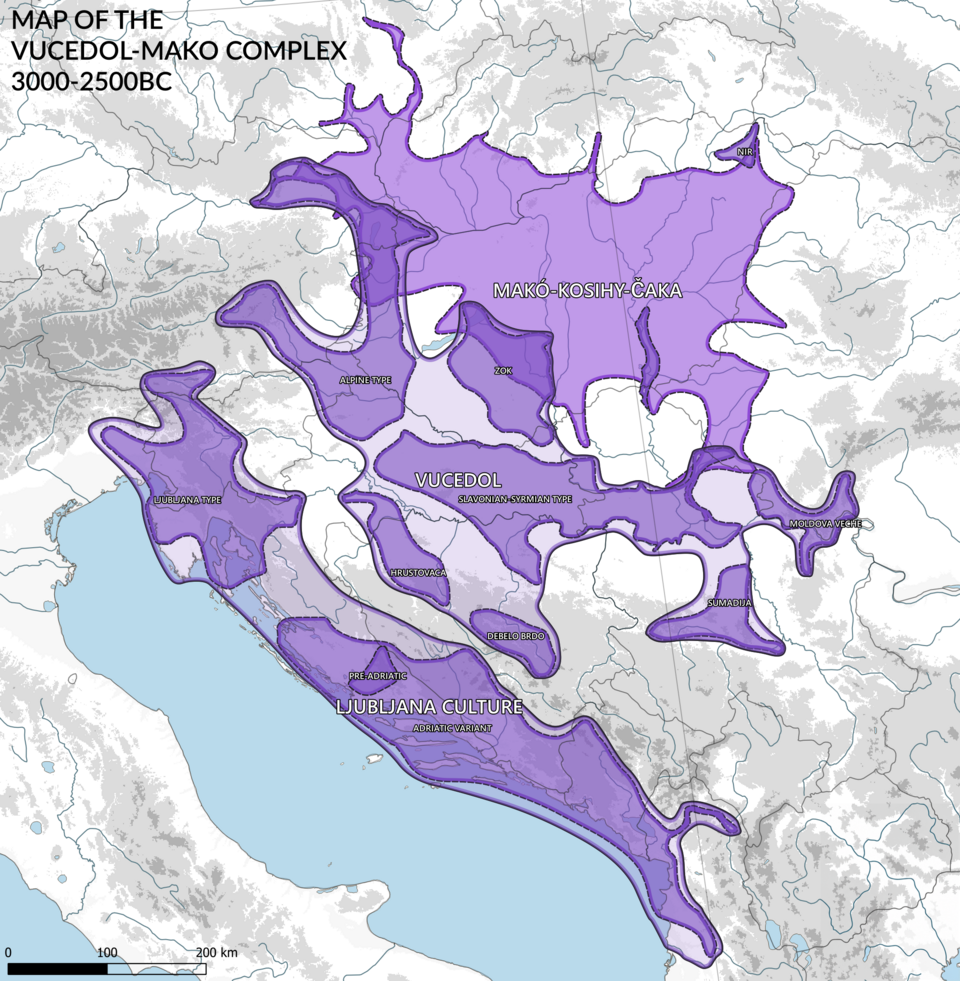
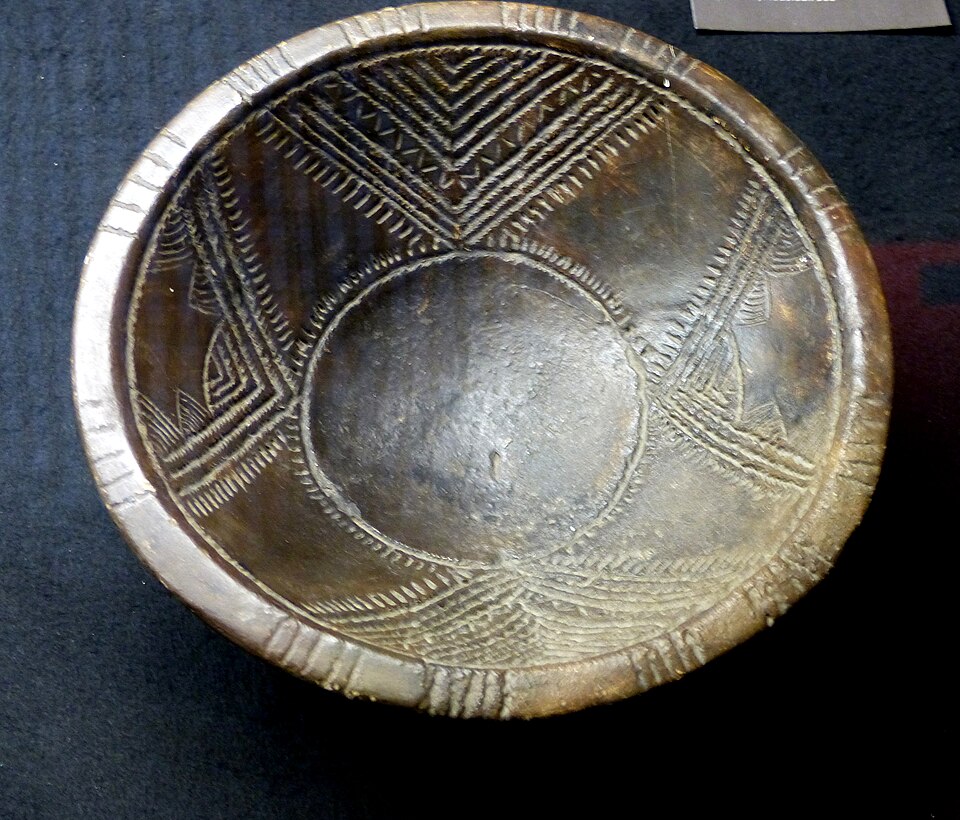
The Vučedol culture (Croatian: Vučedolska kultura) flourished between 3000 and 2200 BC (the Chalcolithic period of earliest copper-smithing and arsenical bronze-smithing), centered in Syrmia and eastern Slavonia on the right bank of the Danube river, but possibly spreading throughout the Pannonian plain and western Balkans and southward. It was thus contemporary with the Sumer period in Mesopotamia, the Early Dynastic period in Egypt and the earliest settlements of Troy (Troy I and II). Archaeogenetics link the culture from Yamnaya migrations directly from the steppes that mixed with Neolithic people. The need for copper resulted in the expansion of the Vučedol Culture from its homeland of Slavonia into the broader region of central and southeastern Europe. The Vučedol culture is also known as the 'Zok culture' in Hungary, with regional variants including the 'Mako culture' and 'Nyirseg culture', and as the 'Laibach-Ljubljana culture' In the eastern Alpine area.
Further reading
Vučedol Dove is one of the 3D puzzles in World Artifacts: turn a cloud of broken pieces until it lines up. For iPhone, iPad, Apple Vision Pro and Android.

