World Artifacts › Atlas › Haiti
Taíno Duho
The low carved ceremonial seat.
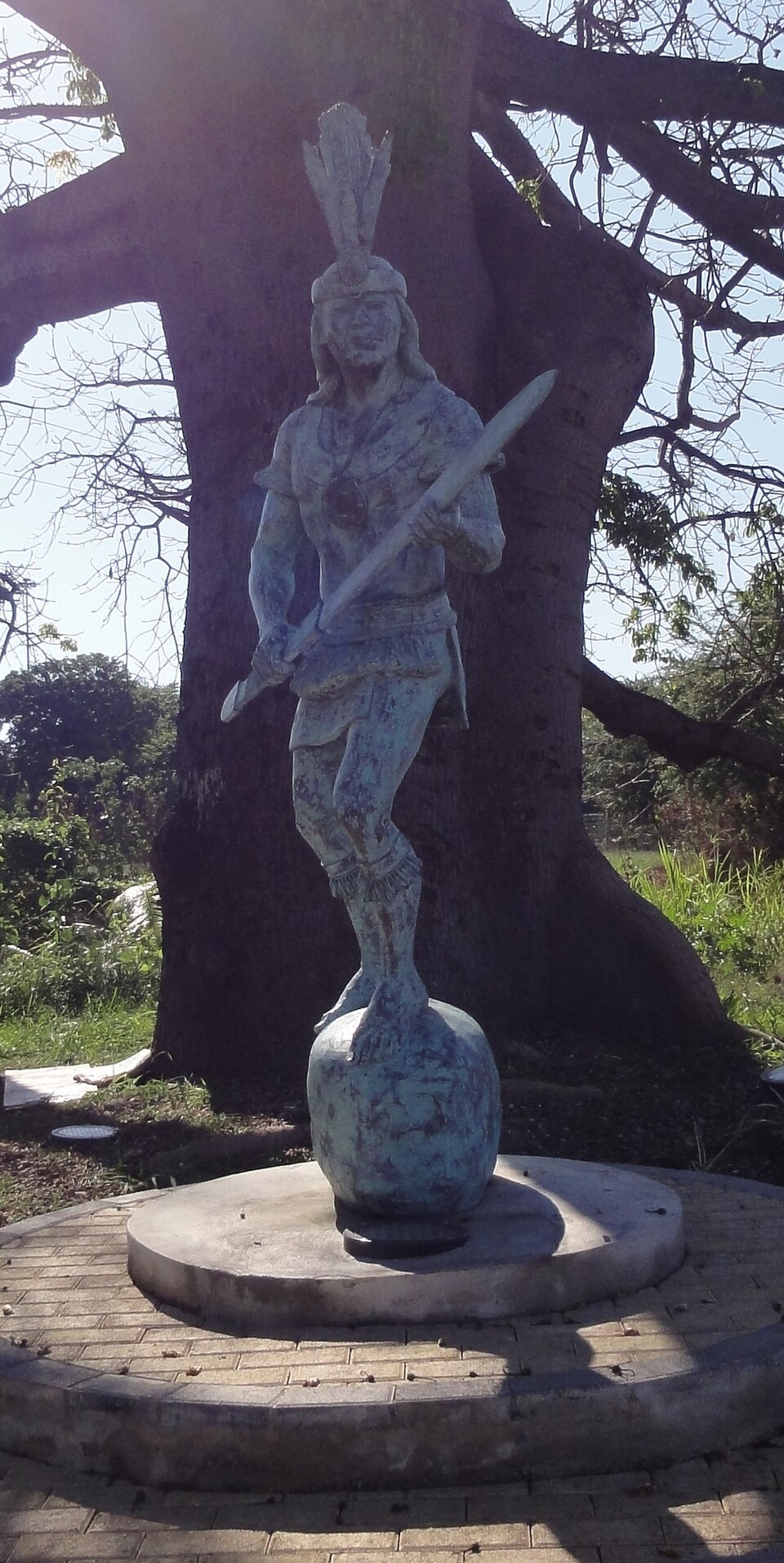
The Taíno were the Indigenous peoples in most of the West Indies, in the Caribbean region of the Americas. Their culture has been continued today by their descendants and by Taíno revivalist communities. They were the first New World peoples encountered by non-Norse Europeans. Part of the Arawak group of Indigenous peoples in the Americas, the Taíno are also referred to as Island Arawaks or Antillean Arawaks.
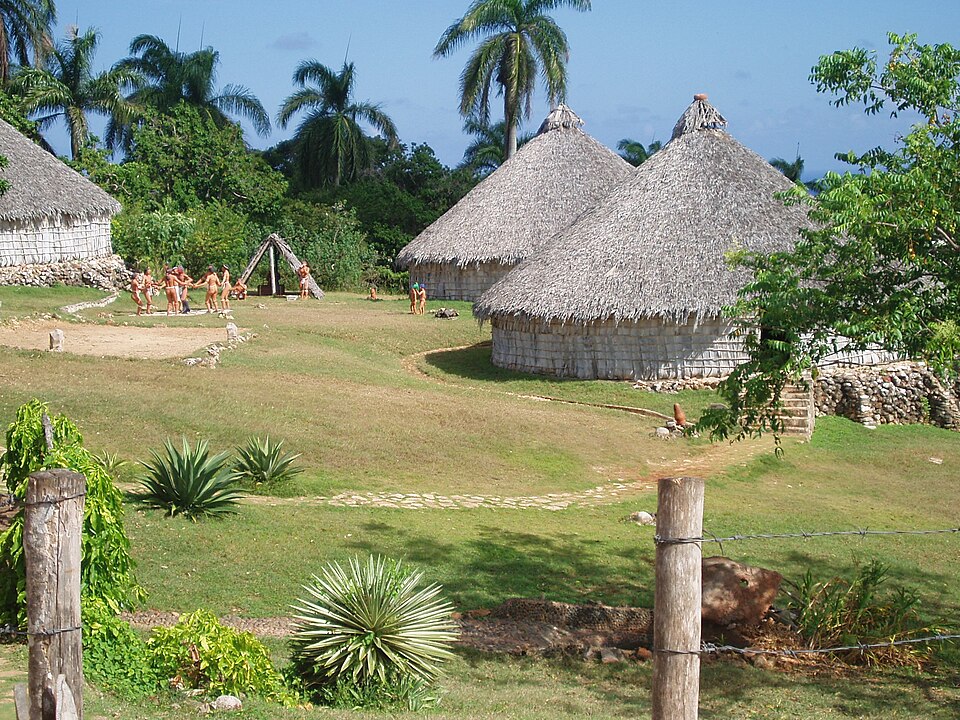
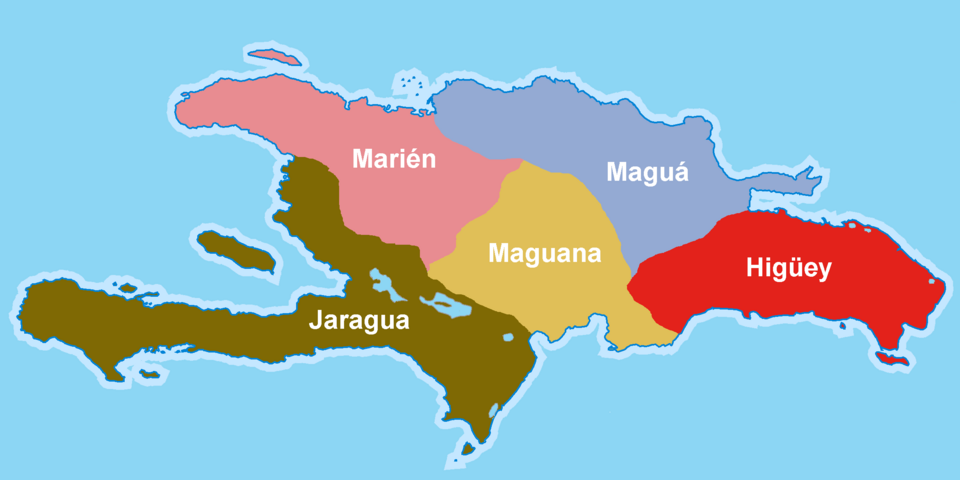
Extending from the Lucayan Archipelago through the Greater Antilles of Cuba, Jamaica, Hispaniola, and Puerto Rico to Guadeloupe in the northern Lesser Antilles, or the Leeward Islands, the Taíno historically lived in agricultural societies ruled by caciques with fixed settlements under a matrilineal system of kinship and inheritance, and a religion centered on the worship of zemis. At the time of European contact, they shared land with older Indigenous inhabitants, namely the Guanajatabeyes in Cuba, and the Ciguayos and the Macorix in Hispaniola, and they were engaged in conflict with the recent Carib settlers of the southern Lesser Antilles, or the Windward Islands.
Further reading
- The Tainos · Irving Rouse (1992)Rouse's study of the Taíno, covering their antiquities and the West Indies as the setting for their culture.Find a copy: AbeBooks · Amazon · WorldCat
- Caciques and Cemi idols · José R. Oliver (2009)Examines Taíno caciques and cemí idols, the ritual and sculptural world that duhos belong to.Find a copy: AbeBooks · Amazon · WorldCat
Taíno Duho is one of the 3D puzzles in World Artifacts: turn a cloud of broken pieces until it lines up. For iPhone, iPad, Apple Vision Pro and Android.

