World Artifacts › Atlas › Indonesia
Krakatoa
The 1883 eruption was heard four and a half thousand kilometres away, which makes it the loudest sound in recorded history. The island rebuilt itself: a new cone broke the surface in 1927 and is still growing.
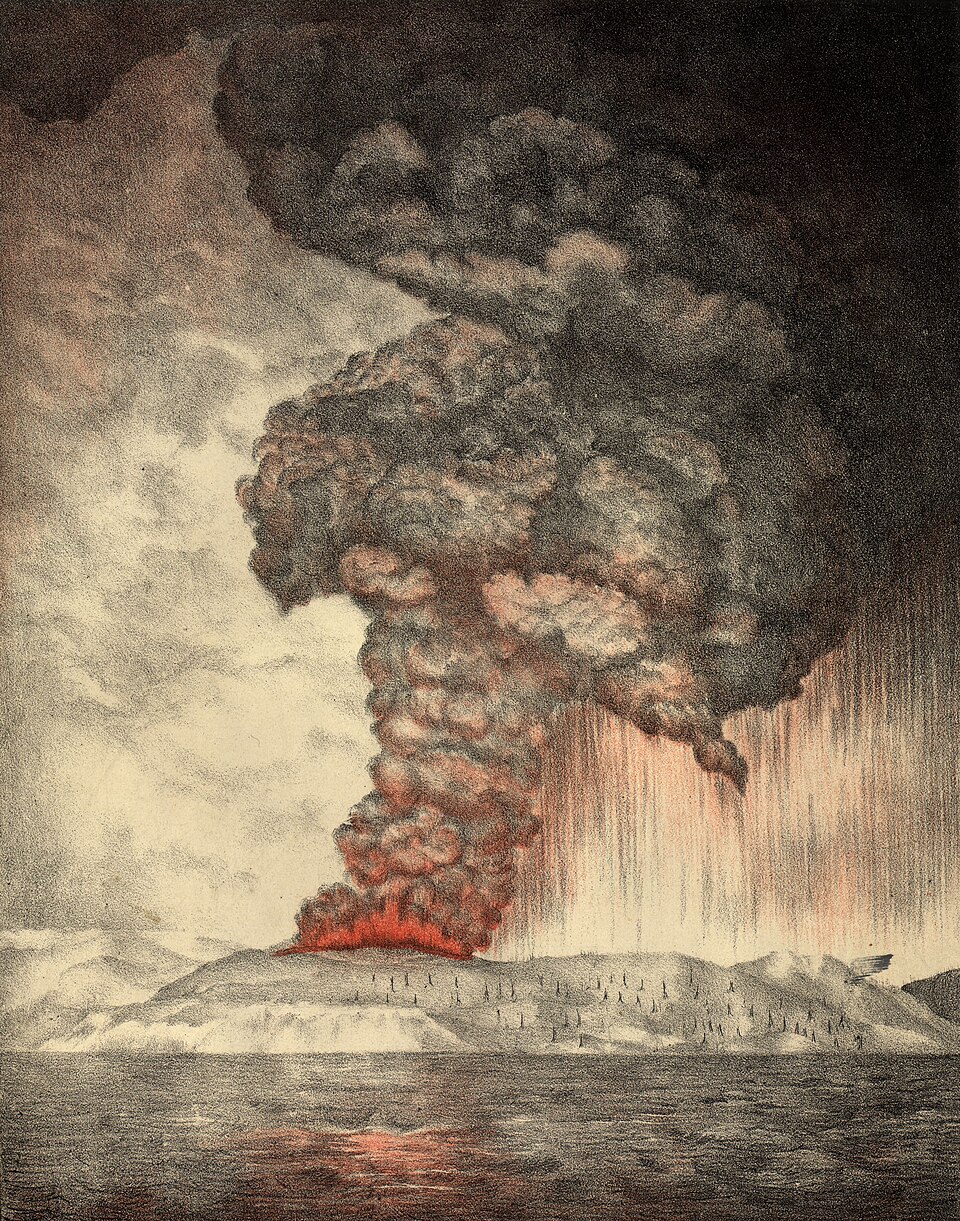
Krakatoa (), also transcribed Krakatau (), is a caldera in the Sunda Strait between the islands of Java and Sumatra in the Indonesian province of Lampung. The caldera is part of a volcanic island group (Krakatoa archipelago) comprising four islands. Two of them are known as Lang and Verlaten; another, Rakata, is the only remnant of an island, also called Krakatoa, mostly destroyed by an eruption in 1883 which created the caldera.
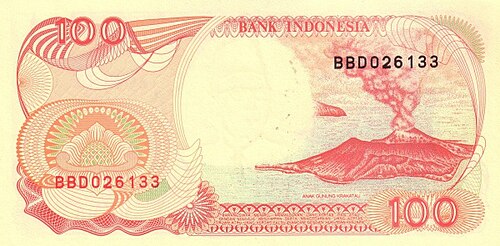
In 1927, a fourth island, Anak Krakatoa, or "Child of Krakatoa", emerged from the caldera formed in 1883. There has been new eruptive activity since the late 20th century, with a large collapse causing the 2018 Sunda Strait tsunami. A new cinder cone eventually grew out of its collapse scar from eruptions in the 2020s.
Further reading
Krakatoa is one of the 3D puzzles in World Artifacts: turn a cloud of broken pieces until it lines up. For iPhone, iPad, Apple Vision Pro and Android.

