World Artifacts › Atlas › Indonesia
VOC Cannon
The Dutch East India Company was the first business to sell shares to the public, and it was also given the power to wage war, mint money and execute people. It ran what became Indonesia for almost two hundred years before it went bankrupt and the state took over.
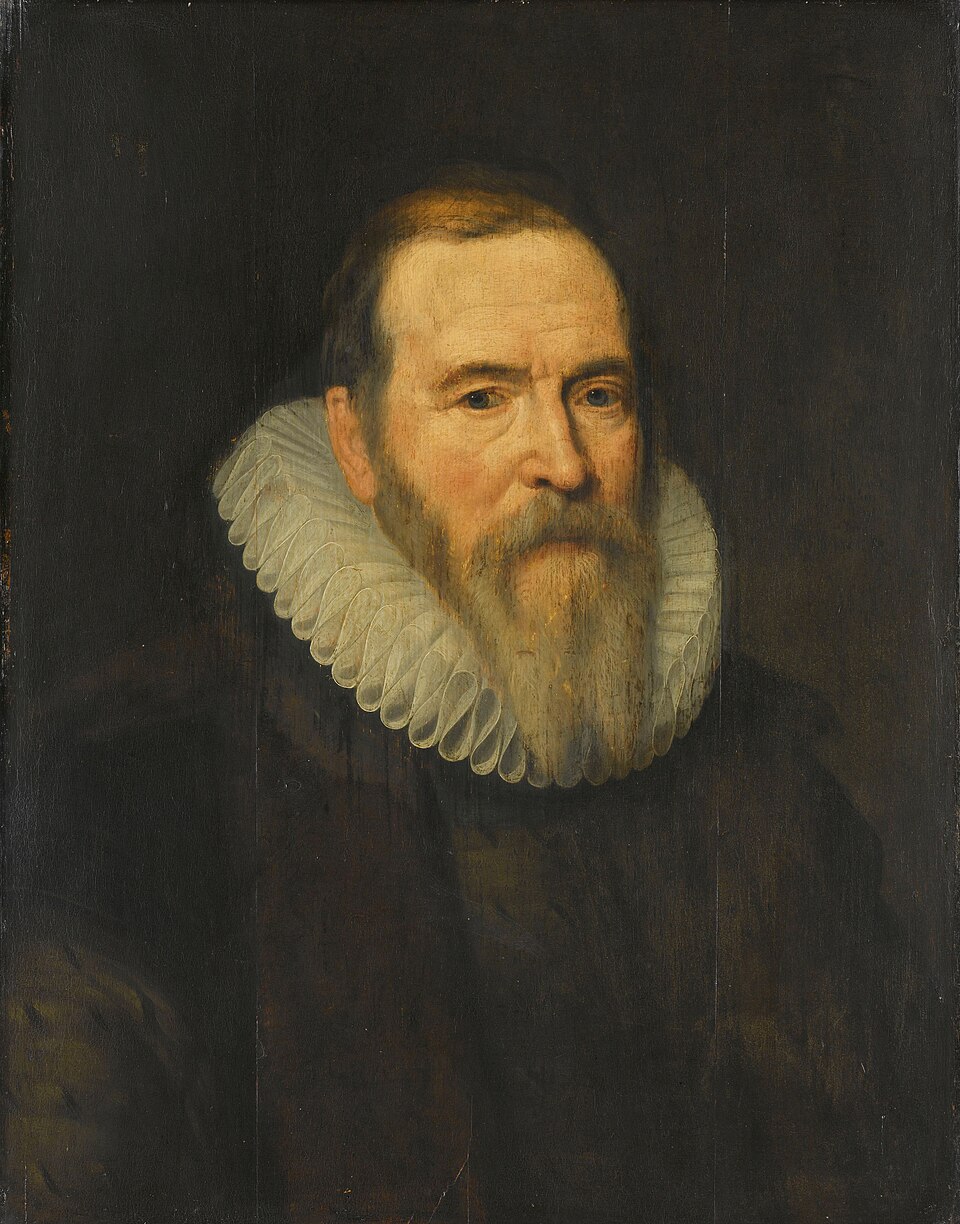
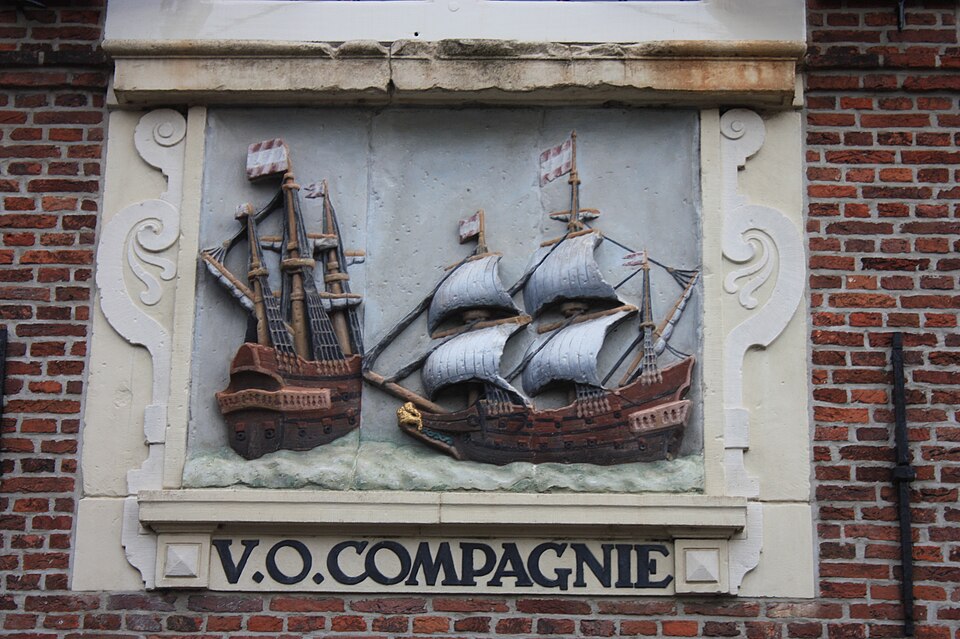
The United East India Company (Dutch: Vereenigde Oostindische Compagnie [vərˈeːnɪɣdə oːstˈɪndisə kɔmpɑˈɲi]; abbr. VOC [veː(j)oːˈseː]), commonly known as the Dutch East India Company, was a chartered trading company and one of the first joint-stock companies in the world. Established on 20 March 1602 by the States General of the Netherlands amalgamating existing companies, it was granted a 21-year monopoly to carry out trade activities in Asia. Shares in the company could be purchased by any citizen of the Dutch Republic and bought and sold in open-air secondary markets, one of which became the Amsterdam Stock Exchange. The company possessed quasi-governmental powers, including the ability to wage war, imprison and execute convicts, negotiate treaties, strike its own coins, and establish colonies. Because it traded across multiple colonies and countries from both the East and the West, the VOC is sometimes considered to have been the world's first multinational corporation.

Further reading
- The Dutch East India Company · Femme S. Gaastra (2002)A history of the Dutch East India Company (VOC).Find a copy: AbeBooks · Amazon · WorldCat
- The Dutch seaborne empire, 1600-1800 · C. R. Boxer (1965)History of the Dutch seaborne empire and its colonies from 1600 to 1800.Find a copy: AbeBooks · Amazon · WorldCat
VOC Cannon is one of the 3D puzzles in World Artifacts: turn a cloud of broken pieces until it lines up. For iPhone, iPad, Apple Vision Pro and Android.

