World Artifacts › Atlas › Ireland
Georgian Door
The doors are uniform because Georgian Dublin was built to strict rules, and the bright colours are a modern habit. The fanlight above each one exists to get daylight into a hallway in a terrace with no side windows.
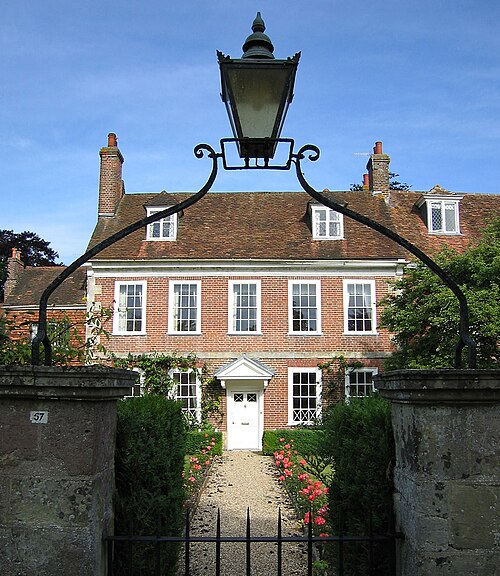
Georgian architecture is the name given in most English-speaking countries to the set of architectural styles current between 1714 and 1830. It is named after the first four British monarchs of the House of Hanover, George I, George II, George III, and George IV, who reigned in continuous succession from August 1714 to June 1830.
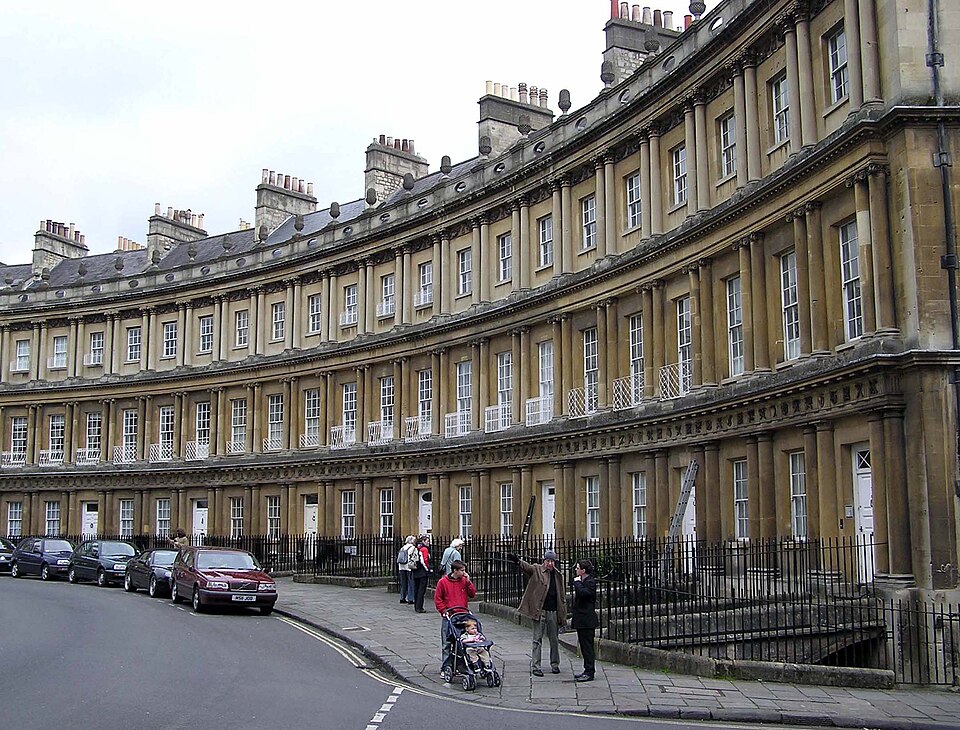
The Georgian cities of the British Isles were Edinburgh, Bath, pre-independence Dublin, and London, and to a lesser extent, Liverpool, York and Bristol. The style was revived in the late 19th century in the United States as Colonial Revival architecture and in the early 20th century in Great Britain as Neo-Georgian architecture; in both, it is also called Georgian Revival architecture.
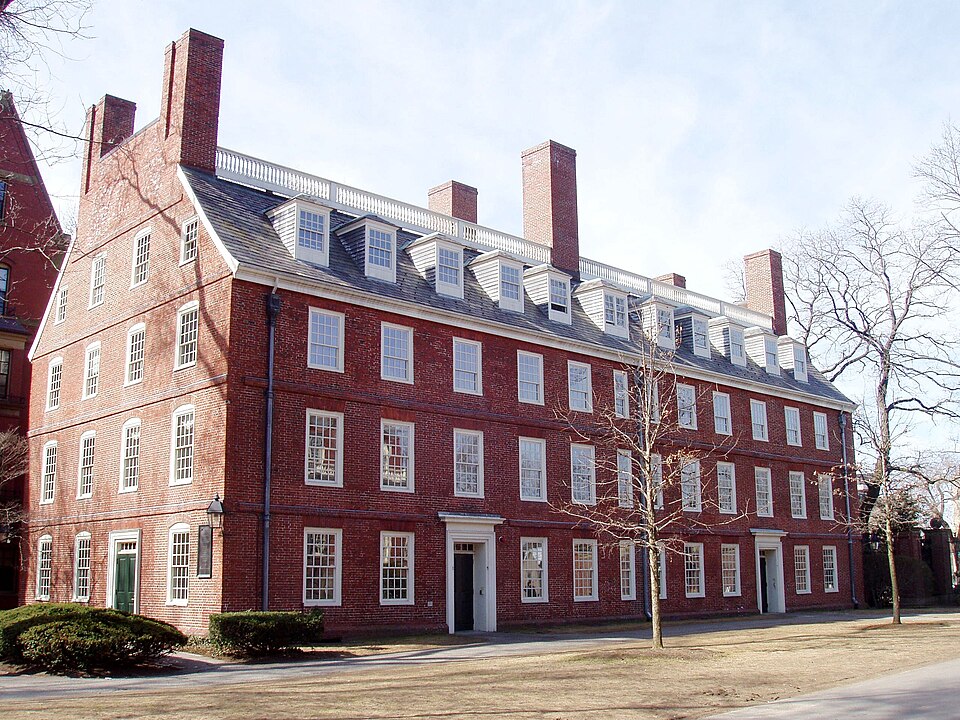
In the United States, the term Georgian is generally used to describe all buildings from the period, regardless of style; in Britain, it is generally restricted to buildings that are "architectural in intention", and have stylistic characteristics that are typical of the period, though that covers a wide range.
Further reading
- Dublin, 1660-1860 · Maurice James Craig (1952)Covers Dublin's architecture and society from 1660 to 1860, the Georgian city.Find a copy: AbeBooks · Amazon · WorldCat
- Dublin (Buildings of Ireland) · Christine Casey (2005)An architectural guide to Dublin's buildings in the Buildings of Ireland series.Find a copy: AbeBooks · Amazon · WorldCat
Georgian Door is one of the 3D puzzles in World Artifacts: turn a cloud of broken pieces until it lines up. For iPhone, iPad, Apple Vision Pro and Android.

