World Artifacts › Atlas › Ireland
Skellig Michael Beehive Huts
Monks built dry-stone cells on a crag eleven kilometres out in the Atlantic and lived there for perhaps six hundred years. The six hundred steps up to them have no handrail, and the island is closed for most of the year.
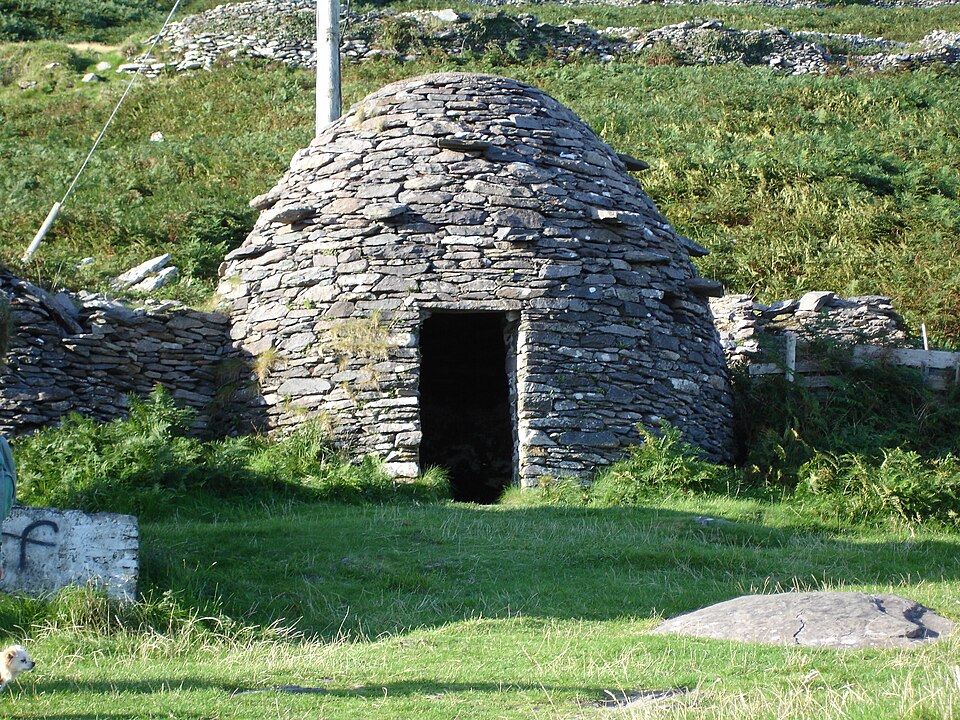
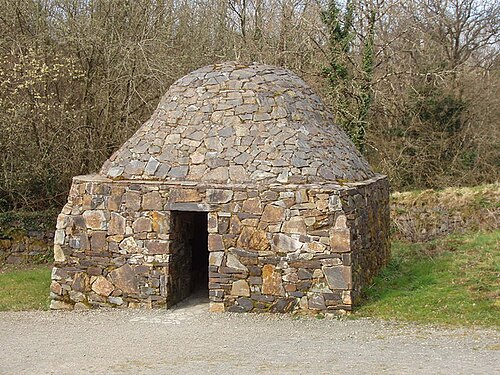
A clochán (plural clocháin) or beehive hut is a dry-stone hut with a corbelled roof, commonly associated with the south-western Irish seaboard. The precise construction date of most of these structures is unknown with the buildings belonging to a long-established Celtic tradition, though there is at present no direct evidence to date the surviving examples before c. 700 CE. Some associated with religious sites may be pre-Romanesque, some consider that the most fully intact structures date after the 12th century or later. It is where monks lived.
Further reading
Skellig Michael Beehive Huts is one of the 3D puzzles in World Artifacts: turn a cloud of broken pieces until it lines up. For iPhone, iPad, Apple Vision Pro and Android.

