World Artifacts › Atlas › Ireland
Thatched Cottage
The thatch is roped down over the ridge and pegged, because Atlantic wind will take an unroped roof off in a night. The door is in two halves so the top can be open for light and air while the bottom keeps the animals out.
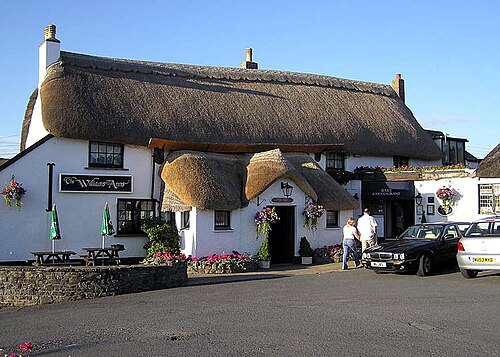
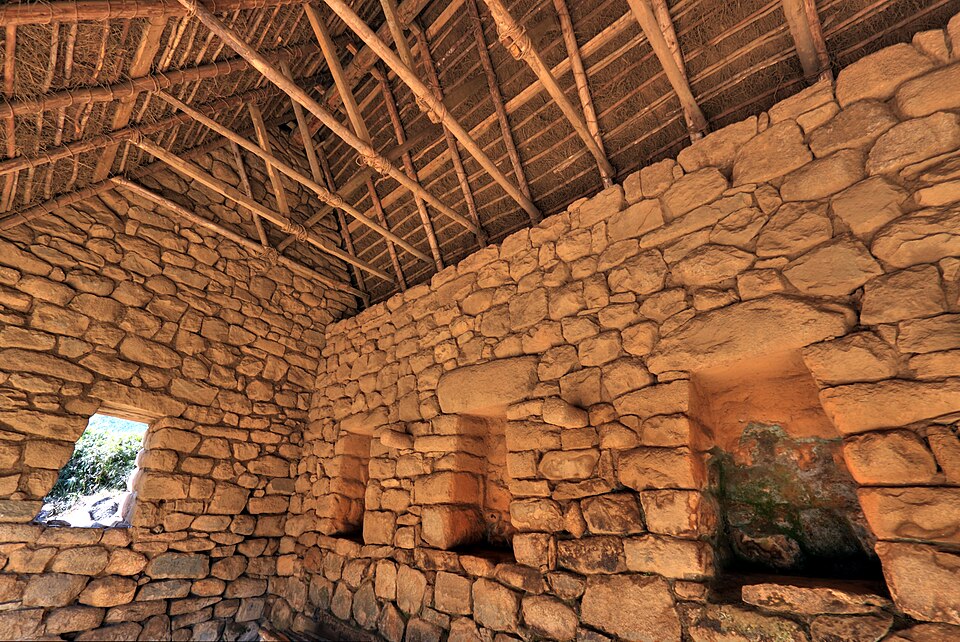
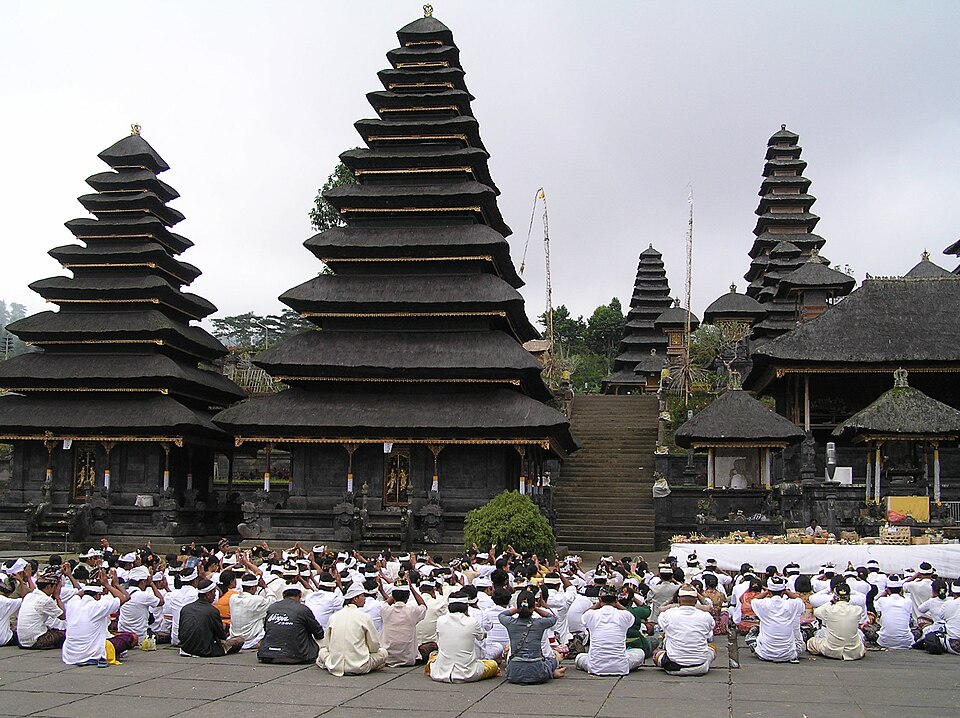
Thatching is the craft of building a roof with dry vegetation such as straw, water reed, sedge (Cladium mariscus), rushes, heather, or palm branches, layering the vegetation so as to shed water away from the inner roof. Since the bulk of the vegetation stays dry and is densely packed - trapping air - thatching also functions as insulation. It is a very old roofing method and has been used in both tropical and temperate climates. Thatch is still employed by builders in developing countries, usually with low-cost local vegetation. By contrast, in some developed countries it is the choice of some affluent people who desire a rustic look for their home, would like a more ecologically friendly roof, or who have purchased an originally thatched abode.
Further reading
- Ireland's vernacular architecture · Kevin Danaher (1975)A study of Ireland's vernacular architecture, including domestic building.Find a copy: AbeBooks · Amazon · WorldCat
- Rural houses of the north of Ireland · Alan Gailey (1984)Covers rural houses of the north of Ireland as domestic vernacular architecture.Find a copy: AbeBooks · Amazon · WorldCat
Thatched Cottage is one of the 3D puzzles in World Artifacts: turn a cloud of broken pieces until it lines up. For iPhone, iPad, Apple Vision Pro and Android.

