World Artifacts › Atlas › India
Gateway of India
The arch was built to welcome a king and ended up marking the opposite: in 1948 the last British troops in India marched out through it to their ships.
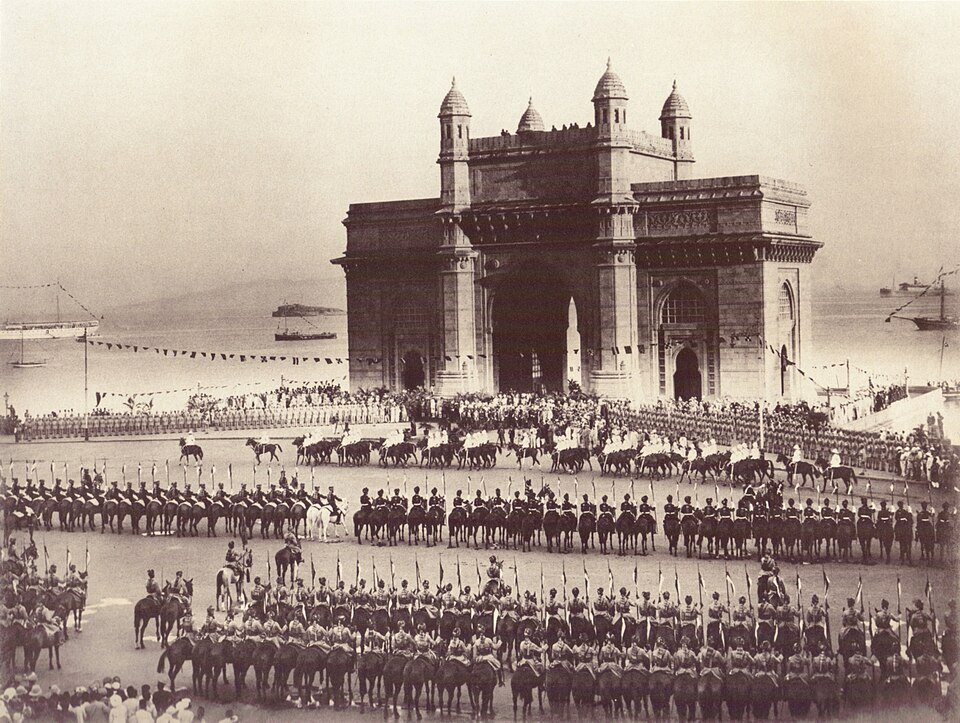
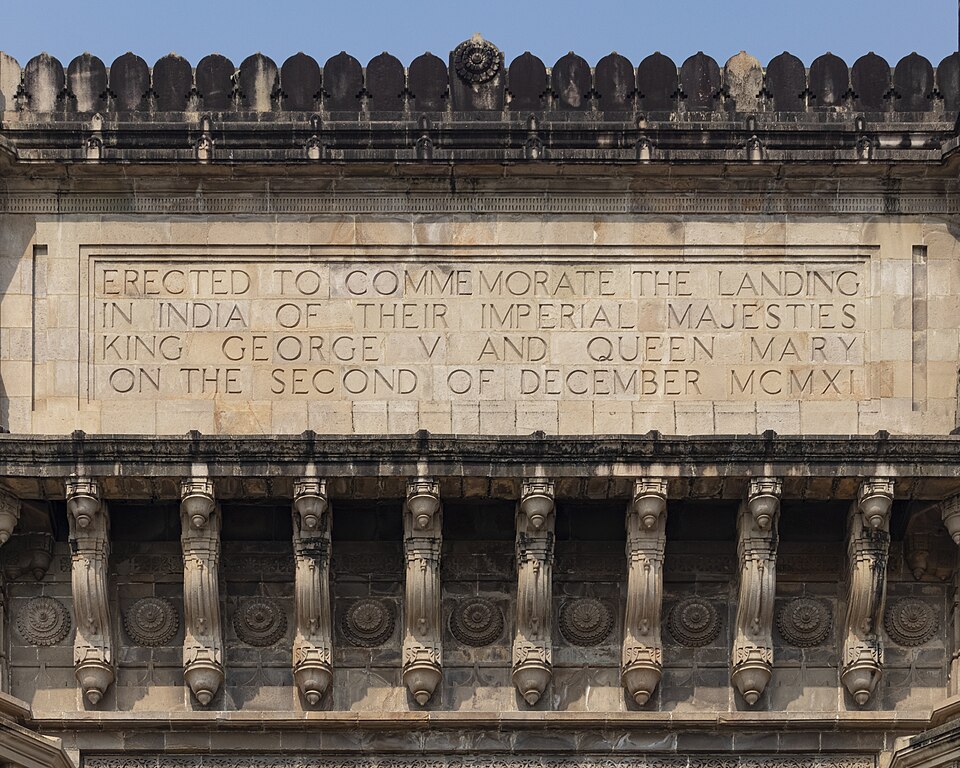
The Gateway of India is an arch-monument, completed in 1924, on the waterfront of Mumbai, Maharashtra, India. It was erected to commemorate the landing of King George V of the United Kingdom for his coronation as the Emperor of India in December 1911 at Strand Road near Wellington Fountain. He was the first British monarch to visit India.
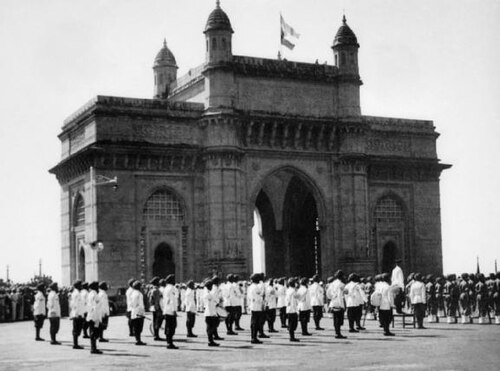
The foundation stone was laid in March 1913 for a monument built in the Indo-Saracenic style, inspired by elements of 16th-century Gujarati architecture. The final design of the monument by architect George Wittet was sanctioned only in 1914, and construction was completed in 1924. The structure is a memorial arch made of basalt, which is 26 metres (85 feet) high, with an architectural resemblance to a triumphial arch as well as Gujarati architecture of the time.
Further reading
Gateway of India is one of the 3D puzzles in World Artifacts: turn a cloud of broken pieces until it lines up. For iPhone, iPad, Apple Vision Pro and Android.

