World Artifacts › Atlas › India
Mughal Miniature
Mughal painters worked with brushes made of a few squirrel hairs and pigments ground from lapis, malachite and gold. A single page could take months, and it was meant to be held in the hand, not hung.
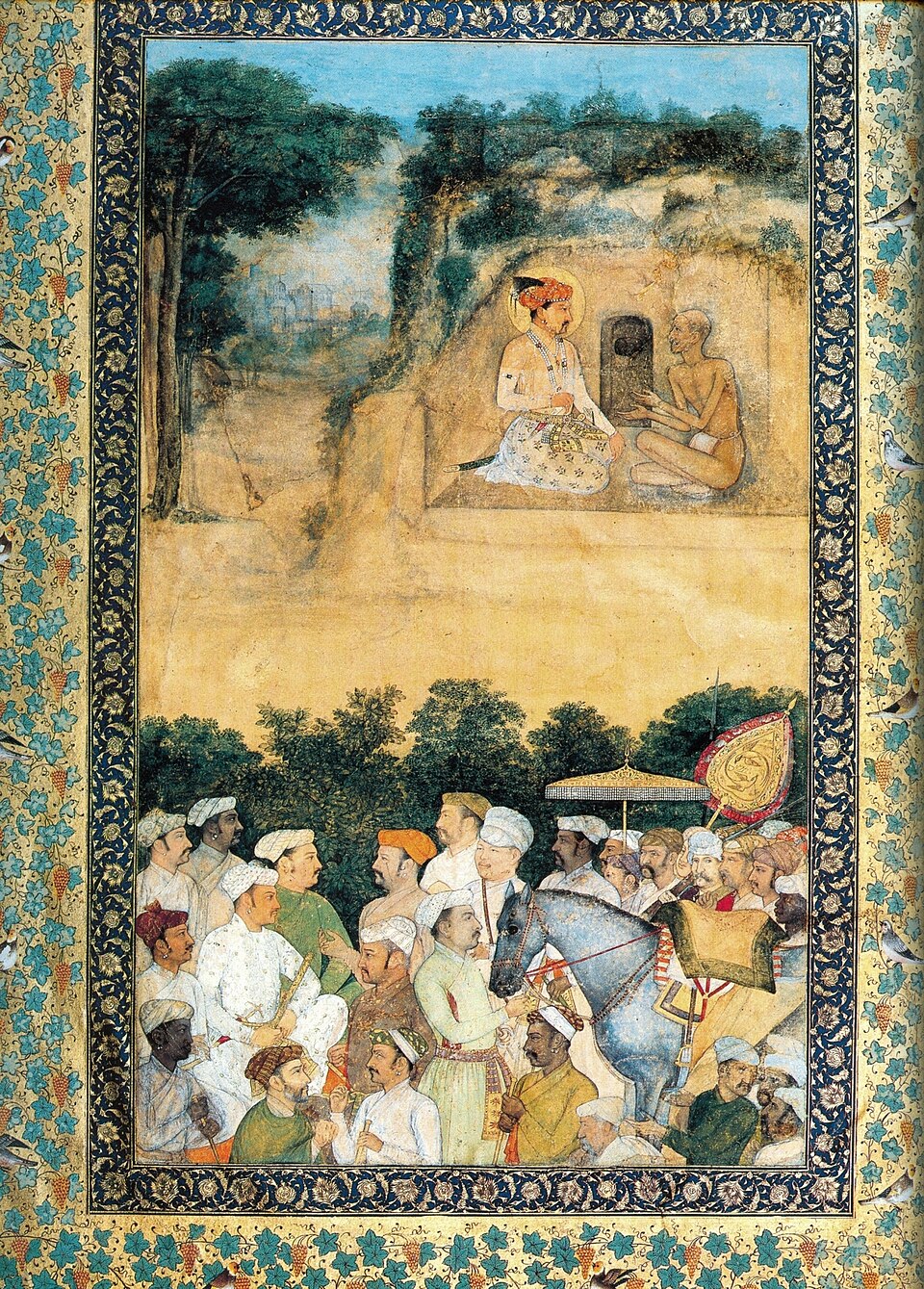
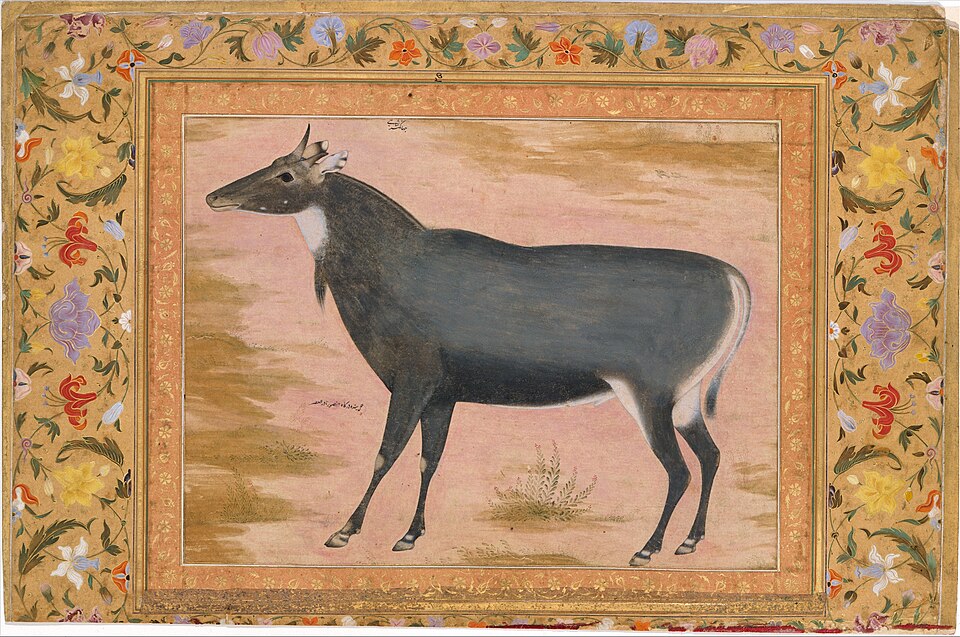
Mughal painting is a style of miniature painting, used as either book illustrations or as single works to be kept in albums (muraqqa), which originated during the Mughal period in the Indian subcontinent. It originated from Persian miniature which itself was influenced heavily by Chinese and European art, Mughal paintings also feature Indian and Islamic influences in its development. As the name suggests, these paintings developed during the rule of Mughal emperors in India, between the 16th to 19th century.
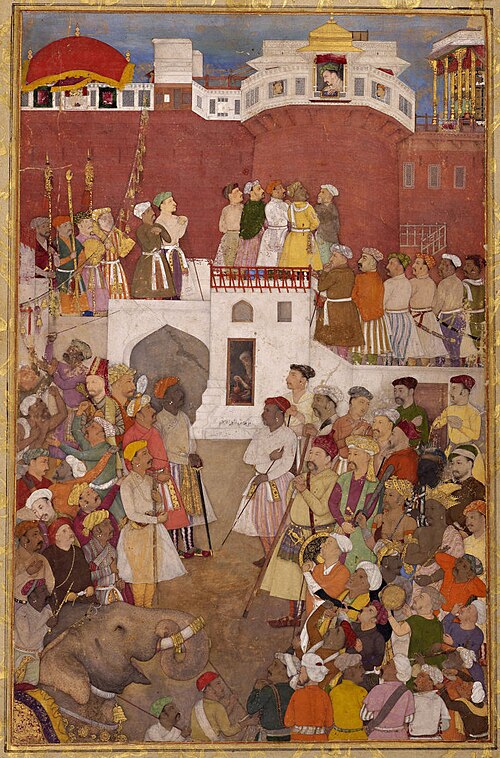
The Mughal emperors were Muslims and they are credited with consolidating Islam in the subcontinent, and spreading Islamic (and particularly Persian) art and culture as well as the faith.
Further reading
- Imperial Mughal painting · Stuart Cary Welch (1978)Covers Mughal miniature painting and manuscript illumination under the imperial court.Find a copy: AbeBooks · Amazon · WorldCat
- The Emperors' album · Stuart Cary Welch (1987)Catalog of an exhibition of Mughal miniature painting, illumination and calligraphy from the emperors' albums.Find a copy: AbeBooks · Amazon · WorldCat
Mughal Miniature is one of the 3D puzzles in World Artifacts: turn a cloud of broken pieces until it lines up. For iPhone, iPad, Apple Vision Pro and Android.

