World Artifacts › Atlas › India
Samosa
The samosa came from Central Asia and Persia with traders and soldiers, and was originally filled with minced meat. The potato version everyone knows had to wait for the potato, which arrived from the Americas.
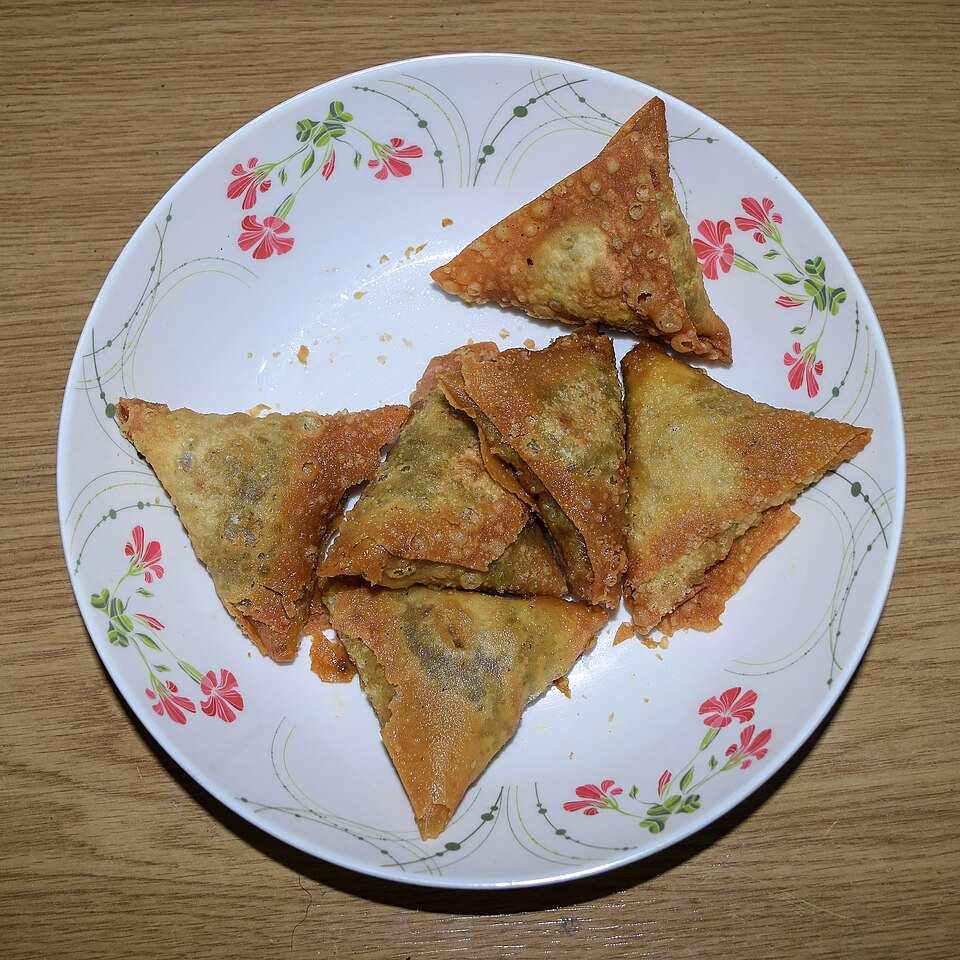
A samosa () () or shingara is a fried Indian subcontinent turnover with a savoury filling that mostly consists of vegetables like spiced potatoes, onions, and peas, but can include cheese such as paneer, meat or even fish. Its name originates from the Middle Persian word sambosag (سنبوسگ) (meaning 'triangular pastry'). It is made in different shapes, including a triangle, a cone, or a crescent, depending on the region. Samosas are often accompanied by chutney and have origins in the Middle Ages or earlier. Sweet versions containing traditional Indian flavours, or even chocolate, are also made. Samosas are popular snacks in South Asia and within the Indian diaspora across the world.
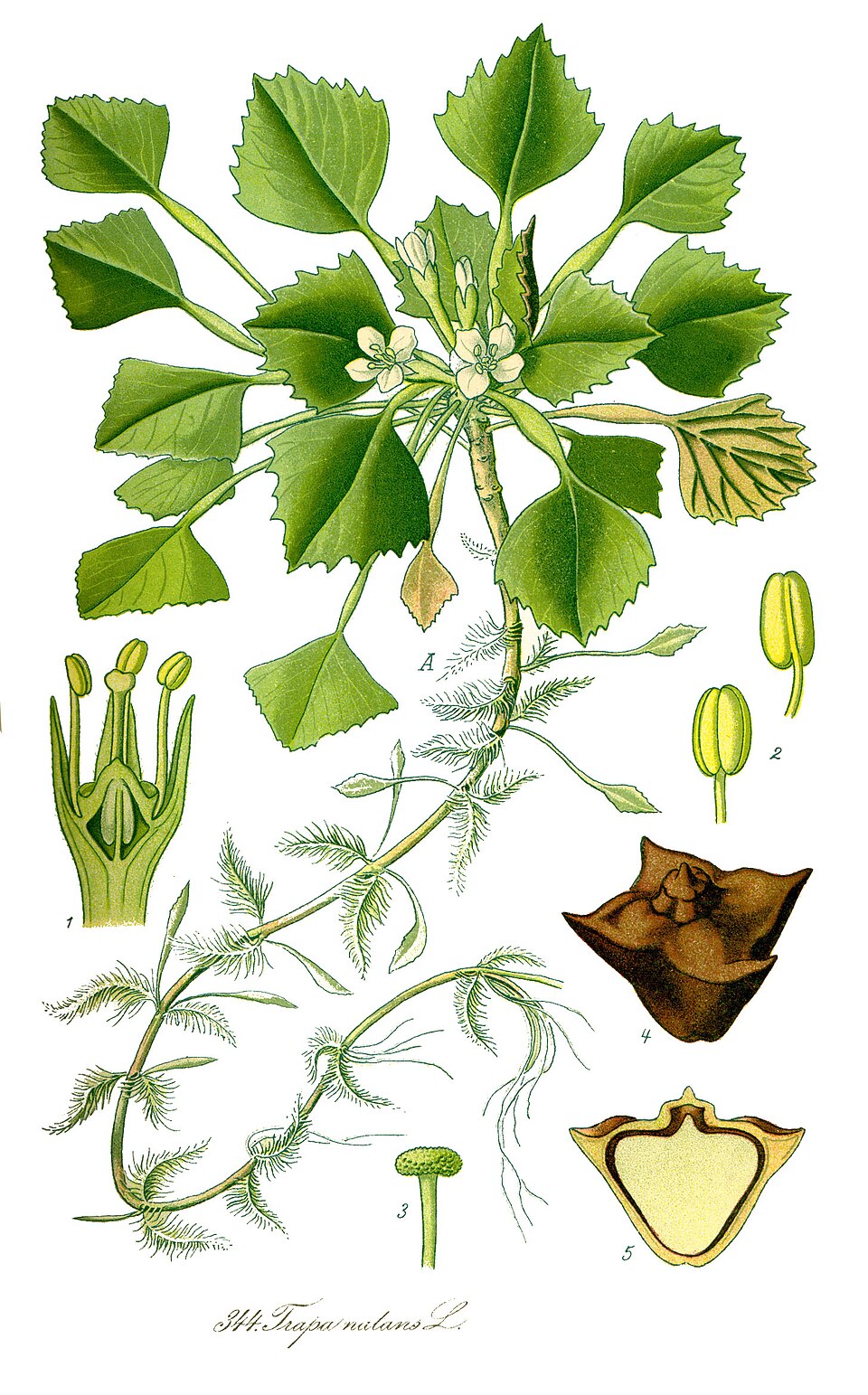
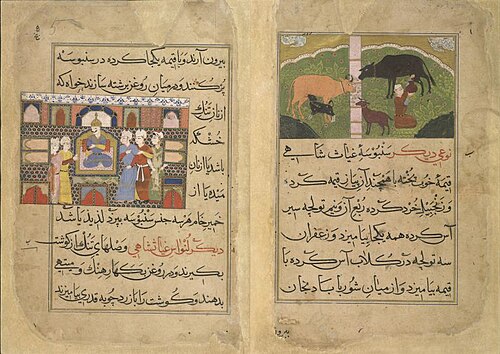
Further reading
- Indian food · K. T. Achaya (1994)A history of Indian food and cookery, covering food habits and social life in India.Find a copy: AbeBooks · Amazon · WorldCat
- Curry · Lizzie Collingham (2005)A history of curry and Indian food habits, set in the broader history of Indian civilization.Find a copy: AbeBooks · Amazon · WorldCat
Samosa is one of the 3D puzzles in World Artifacts: turn a cloud of broken pieces until it lines up. For iPhone, iPad, Apple Vision Pro and Android.

