World Artifacts › Atlas › India
Tandoor
A tandoor runs at around four hundred degrees, and the bread is slapped onto the inside wall where it sticks and cooks in a minute. Ovens of this shape have been dug up from the Indus cities, so the technique is about as old as cities are here.
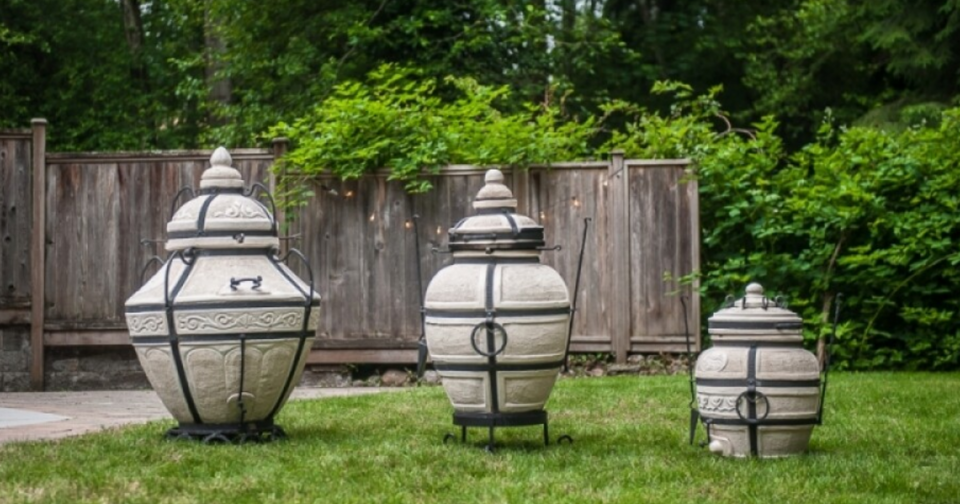
A tandoor ( or , Hindi: [t̪ən̪d̪uːɾ]) is a large vase-shaped oven, usually made of clay. Since antiquity, tandoors have been used to bake unleavened flatbreads, such as roti and traditional lavash, as well as leavened ones, such as naan and tandoor bread or matnakash. It is also used to roast meat and vegetables. Tandoors are predominantly used in South Asia, Western Asia, Central Asia, and the Horn of Africa.
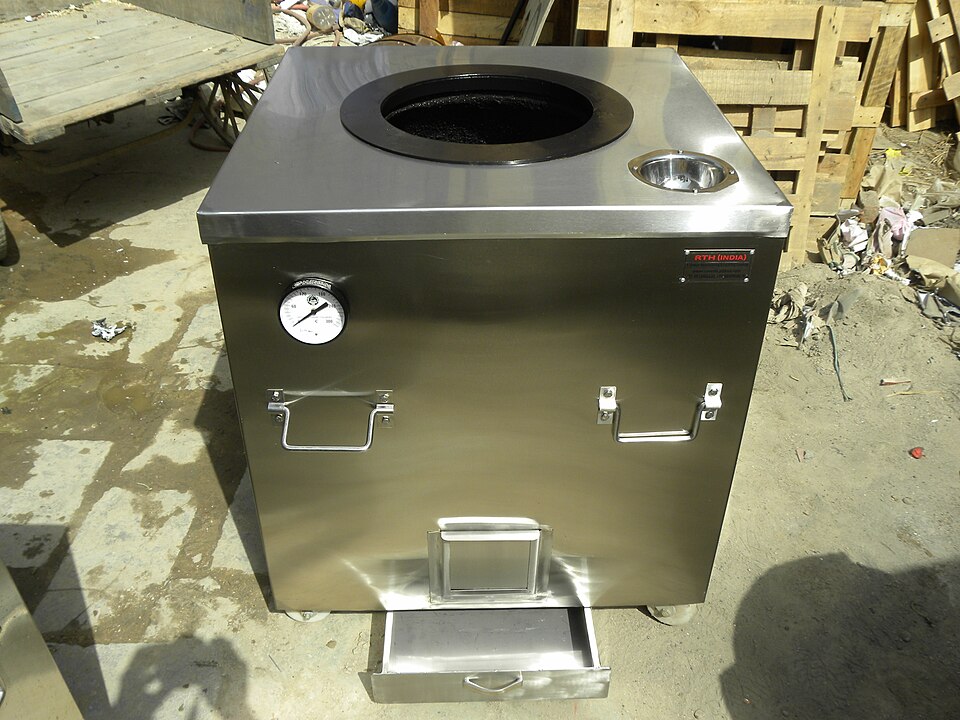
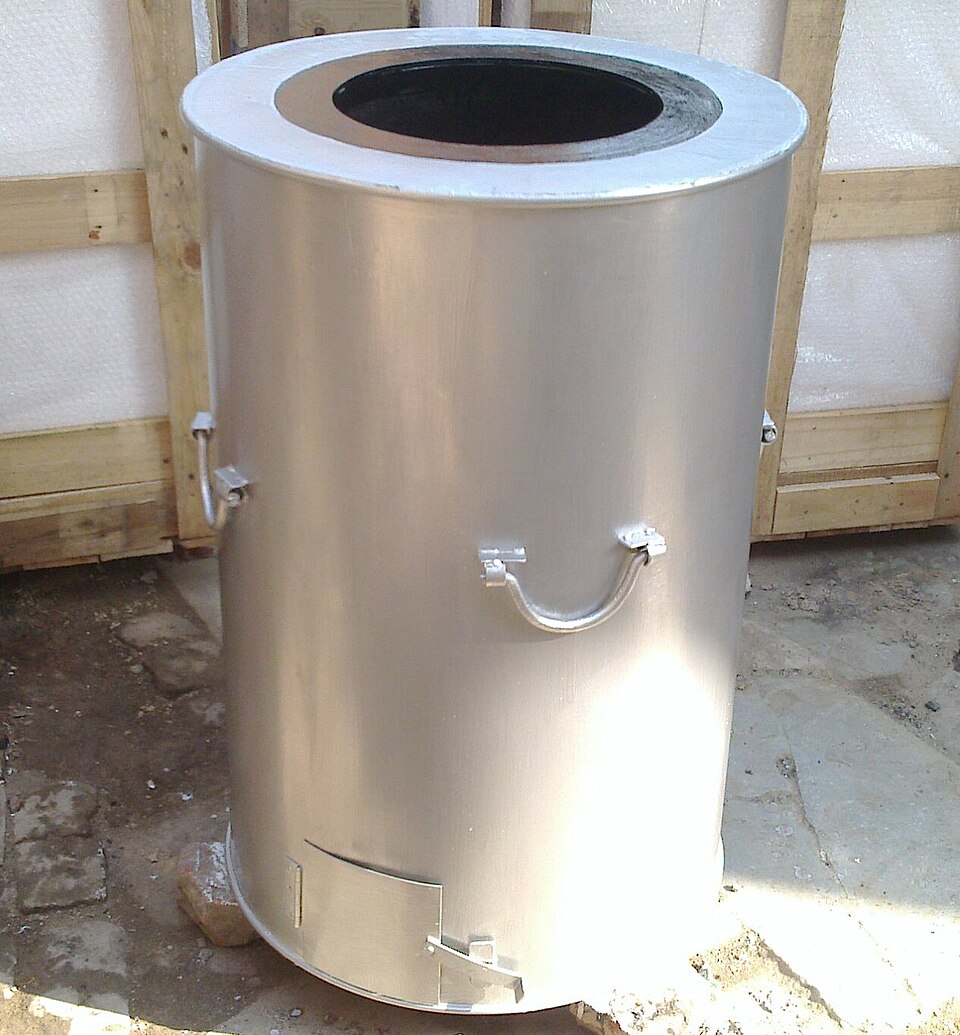
The standard heating element of a tandoor is an internal charcoal or wood fire, which cooks food with direct heat and smoke. Tandoors can be fully above ground, or partially buried below ground, often reaching over a meter in height/depth. Temperatures in a tandoor can reach 480 °C (900 °F; 750 K), and they are routinely kept lit for extended periods. Therefore, traditional tandoors are usually found in restaurant kitchens. Modern tandoors are often made of metal. Variations, such as tandoors with gas or electric heating elements, are more common for at-home use.
Further reading
- Curry Club Tandoori and Tikka Dishes · Pat Chapman (1993)A cookbook of tandoori and tikka dishes in the northern Indian style.Find a copy: AbeBooks · Amazon · WorldCat
- Indian food · K. T. Achaya (1994)A history of Indian food and cookery, including food habits.Find a copy: AbeBooks · Amazon · WorldCat
Tandoor is one of the 3D puzzles in World Artifacts: turn a cloud of broken pieces until it lines up. For iPhone, iPad, Apple Vision Pro and Android.

