World Artifacts › Atlas › India
Zebu Cow
The hump is muscle and fat, and the loose skin and sweat glands let a zebu shed heat that would flatten a European cow. It was domesticated in this region and is now the ancestor of cattle across the tropics.
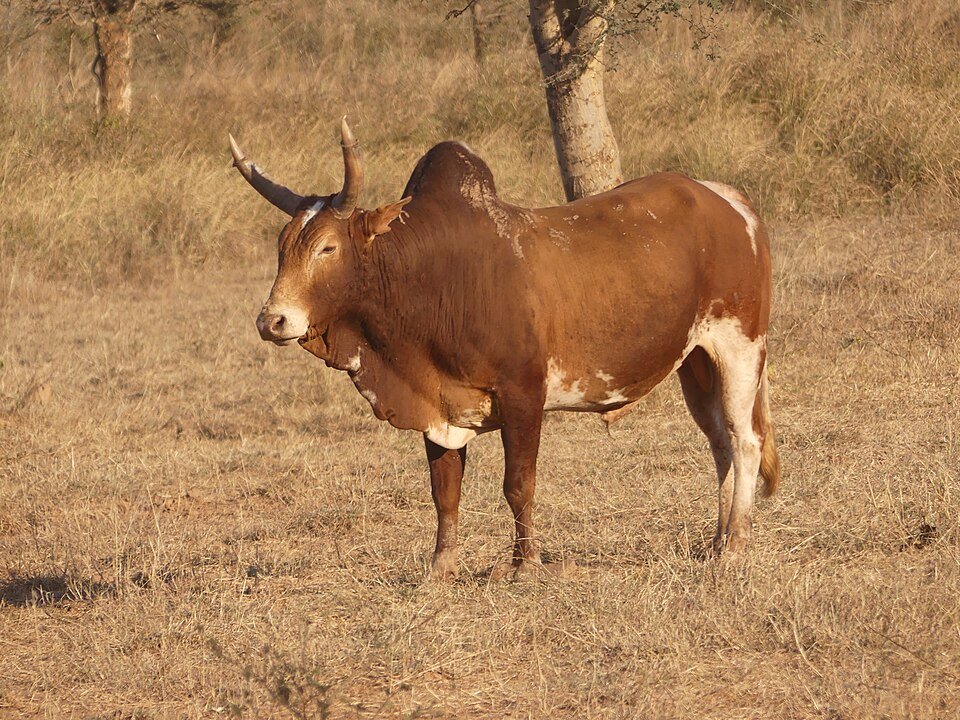
The zebu (; Bos indicus), also known as indicine cattle and humped cattle, is a species or subspecies of domestic cattle originating in South Asia. Zebu, like many Sanga cattle breeds, differ from taurine cattle in the fatty hump on their shoulders, their large dewlap, and their sometimes-drooping ears. They are well adapted to high temperatures and are raised throughout the tropics.
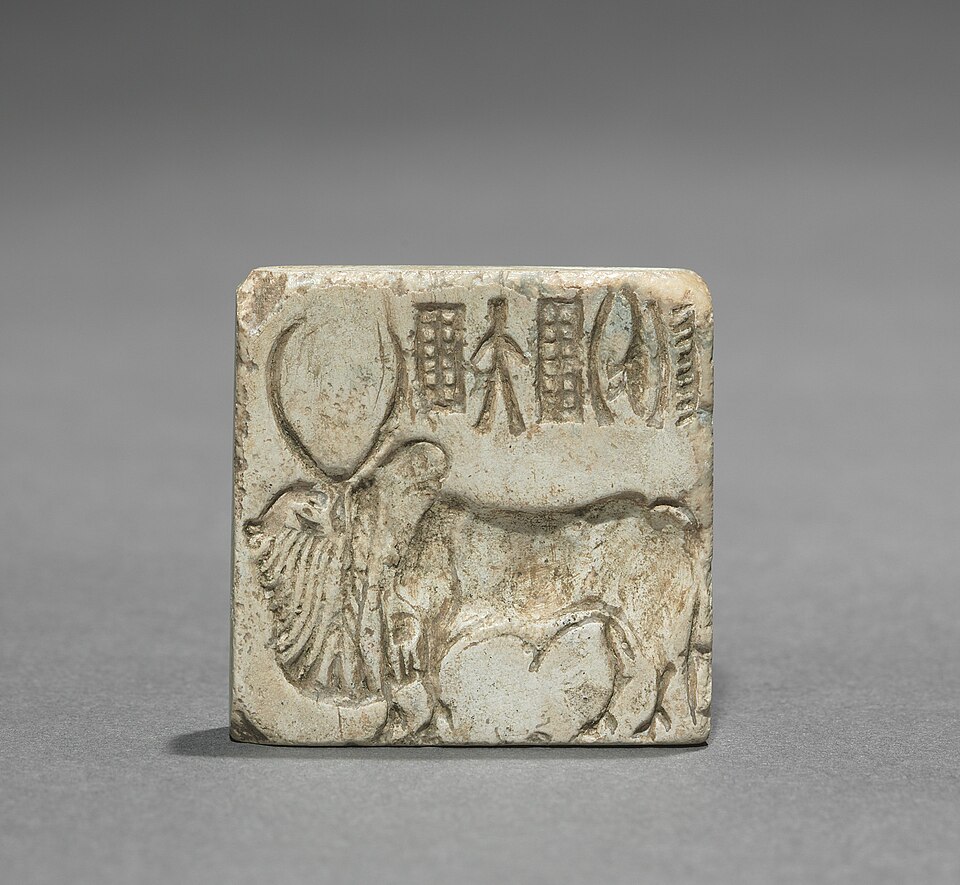
The zebu is used as a draught and riding animal, as dairy cattle and beef cattle, and as a source of byproducts such as hides and dung for fuel and manure. Some small breeds such as Nadudana (also known as the miniature zebu) are also kept as pets like dogs.
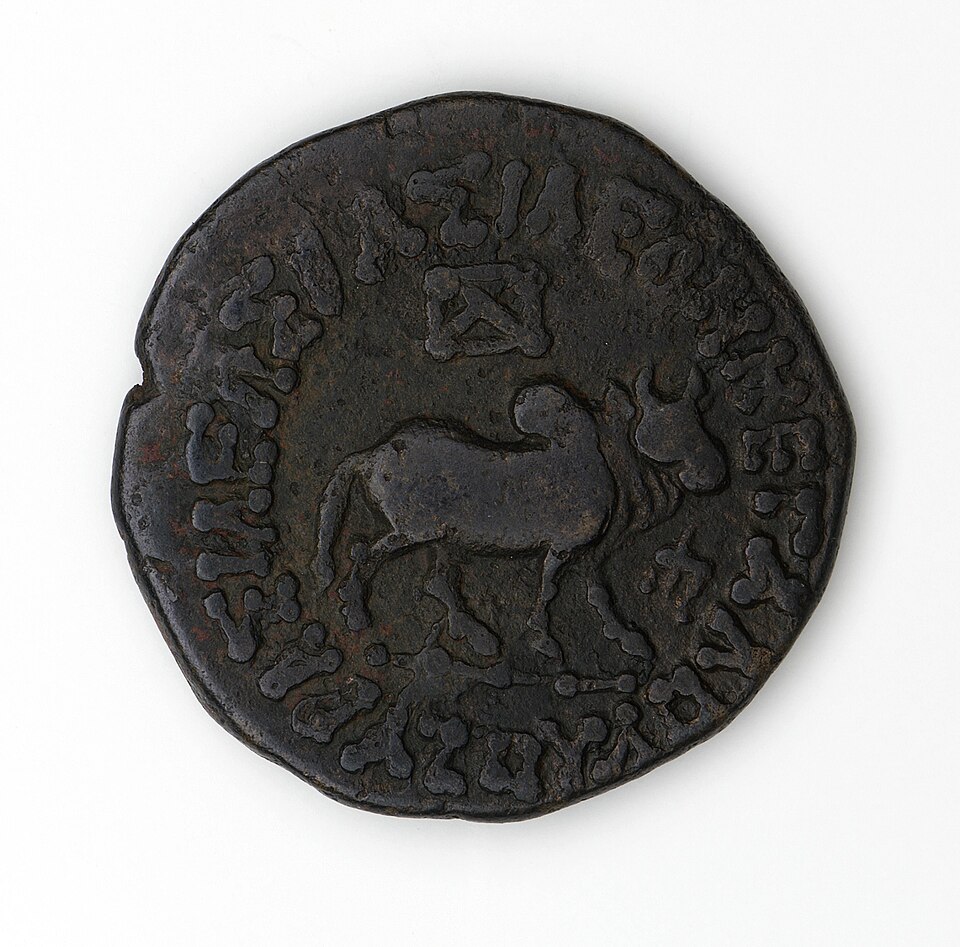
In some regions, zebu have significant religious meaning.
Further reading
- A natural history of domesticated mammals · Juliet Clutton-Brock (1988)A natural history of domesticated mammals, including cattle, tracing domestication and the long reliance of human populations on livestock.Find a copy: AbeBooks · Amazon · WorldCat
- A review of reproductive performance of female Bos indicus (zebu) cattle · E. Mukasa-Mugerwa (1989)A review of reproductive performance in female zebu (Bos indicus) cattle.Find a copy: AbeBooks · Amazon · WorldCat
Zebu Cow is one of the 3D puzzles in World Artifacts: turn a cloud of broken pieces until it lines up. For iPhone, iPad, Apple Vision Pro and Android.

