World Artifacts › Atlas › Iraq
Cuneiform Tablet
The clay tablet.
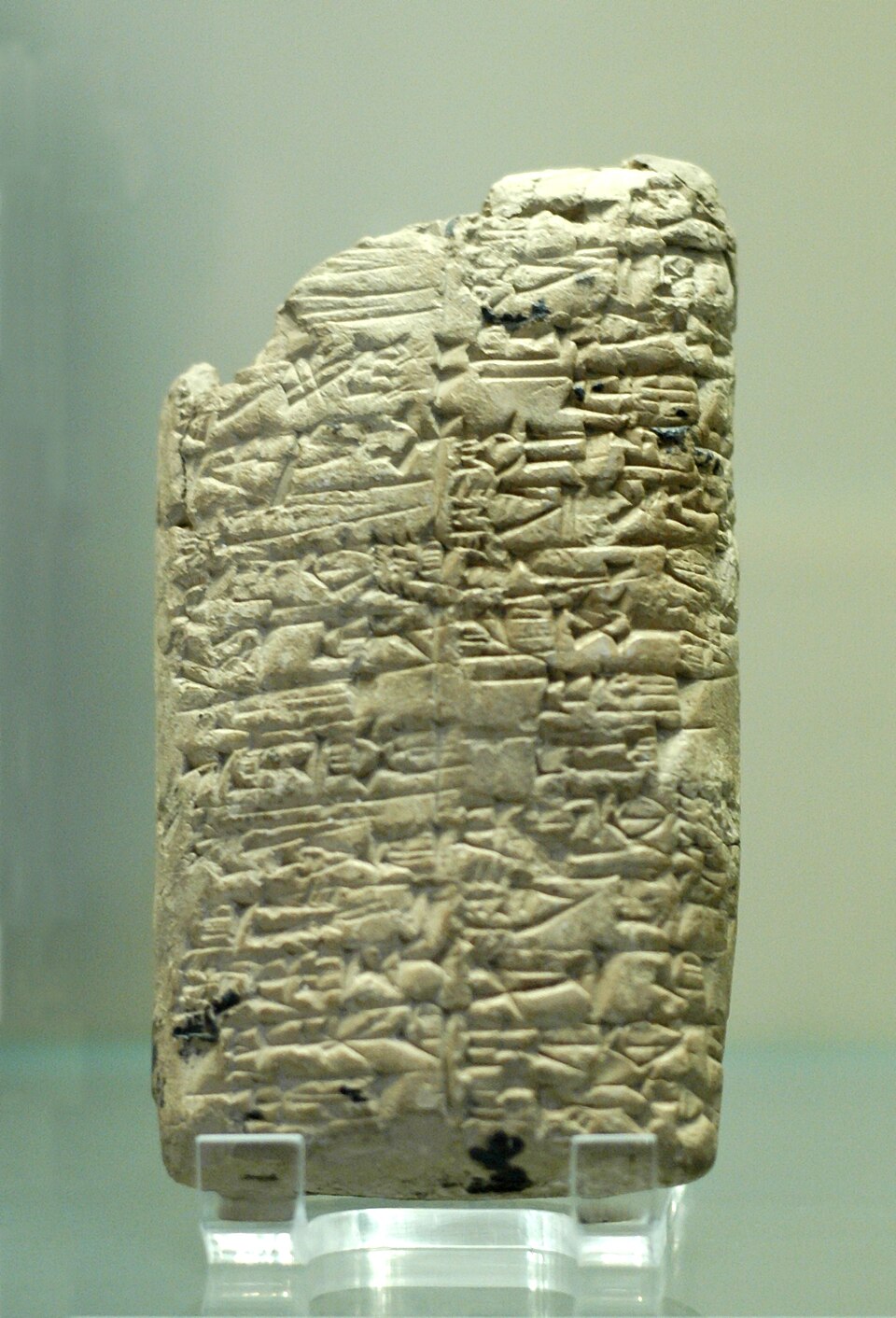
In the Ancient Near East, clay tablets (Akkadian ṭuppu(m) 𒁾) were used as a writing medium, especially for writing in cuneiform, throughout the Bronze Age and well into the Iron Age.
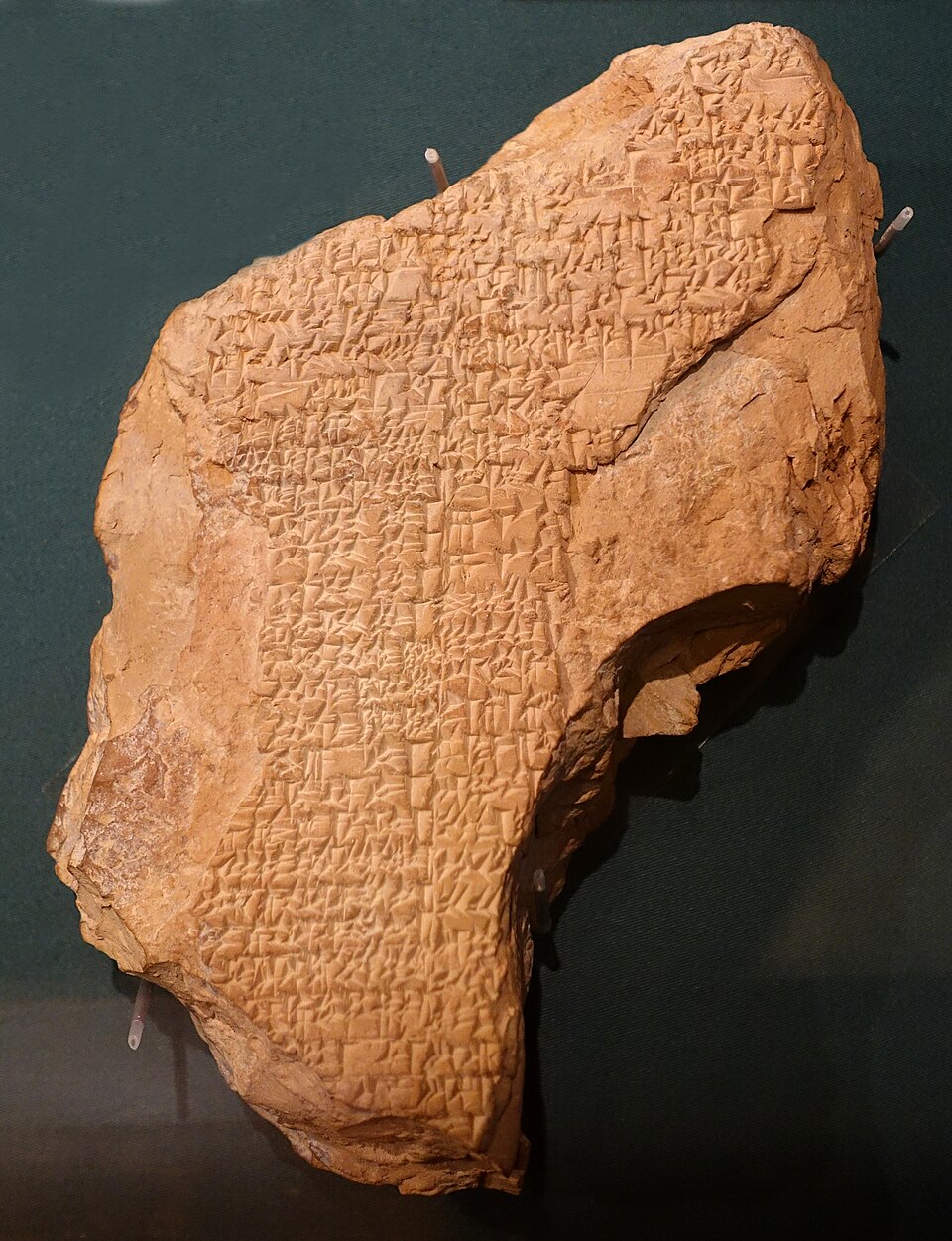
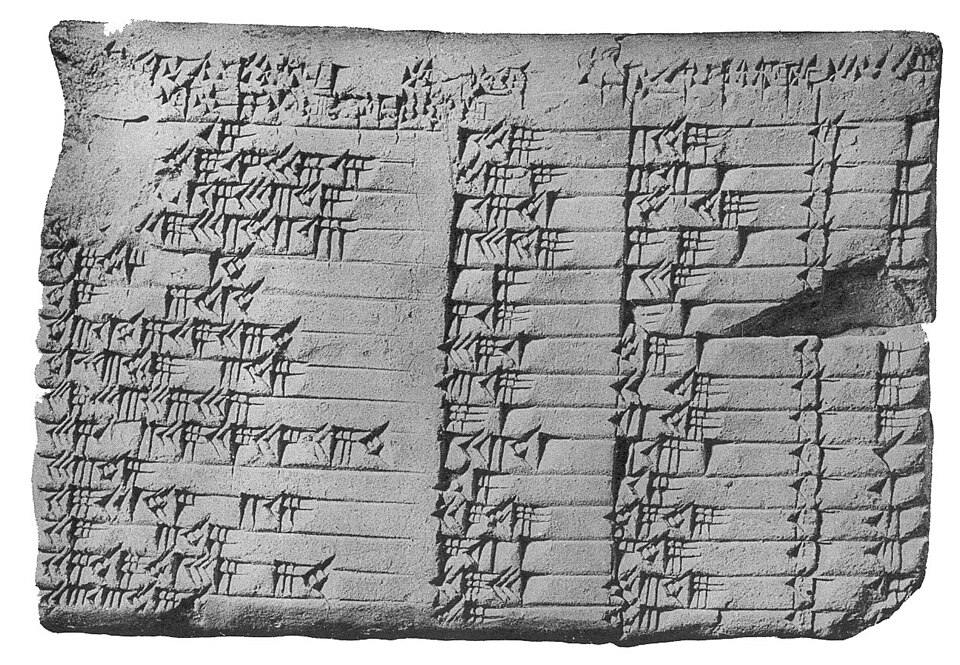
Cuneiform characters were imprinted on a wet clay tablet with a stylus often made of reed, known as a reed pen. Once written upon, many tablets were dried in the sun or air, remaining fragile. Later, these unfired clay tablets could be soaked in water and recycled into new clean tablets. Other tablets, once written, were either deliberately fired in hot kilns, or inadvertently fired when buildings were burnt down by accident or during conflict, making them hard and durable. Collections of these clay documents made up the first archives. They were at the root of the first libraries. Tens of thousands of written tablets, including many fragments, have been found in the Middle East.
Further reading
- CUNEIFORM TO THE ALPHABET (READING THE PAST S.) · C. B. F. Walker (1987)A volume in the Reading the Past series tracing the path from cuneiform writing to the alphabet.Find a copy: AbeBooks · Amazon · WorldCat
- How writing came about · Denise Schmandt-Besserat (1996)A history of writing that traces its origins to tokens in the ancient Middle East.Find a copy: AbeBooks · Amazon · WorldCat
Cuneiform Tablet is one of the 3D puzzles in World Artifacts: turn a cloud of broken pieces until it lines up. For iPhone, iPad, Apple Vision Pro and Android.

