World Artifacts › Atlas › Iraq
Ziggurat of Ur
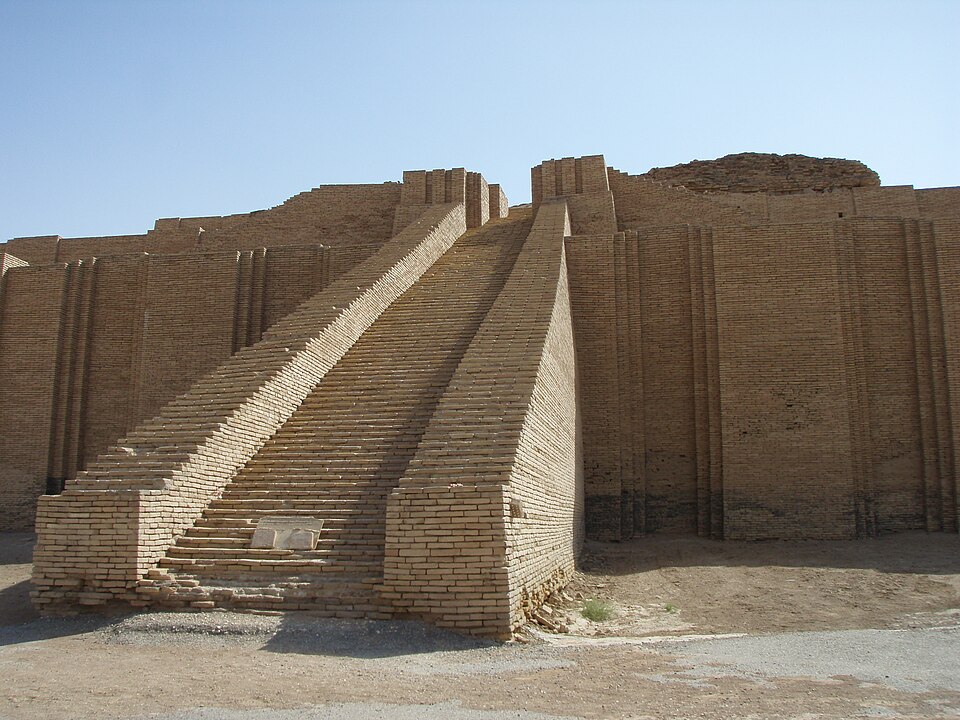
The stepped mud-brick pyramid with a stairway.
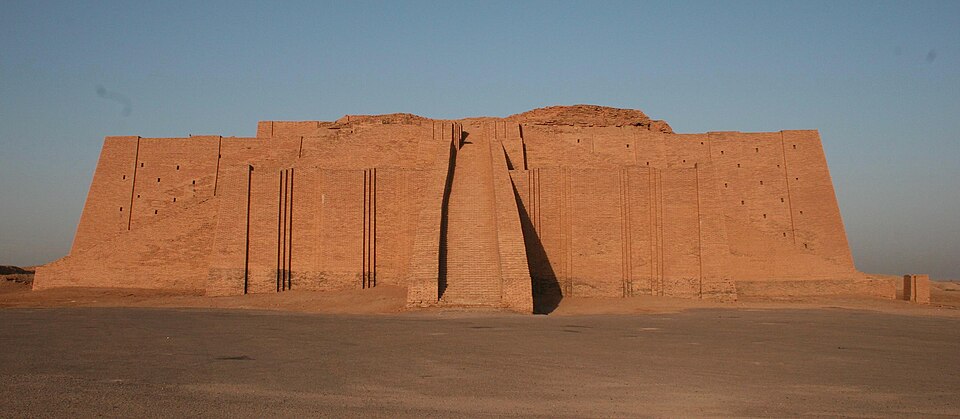
The Ziggurat (or Great Ziggurat) of Ur (Sumerian: 𒂍𒋼𒅎𒅍 é-temen-ní-gùru "Etemenniguru", meaning "house whose foundation creates terror") is a Neo-Sumerian ziggurat in what was the city of Ur near Nasiriyah, in present-day Dhi Qar Province, Iraq. The structure was built during the Early Bronze Age (21st century BC) by King Ur-Nammu of the Third Dynasty of Ur. It had crumbled to ruins by the 6th century BC of the Neo-Babylonian period, when it was restored by King Nabonidus.
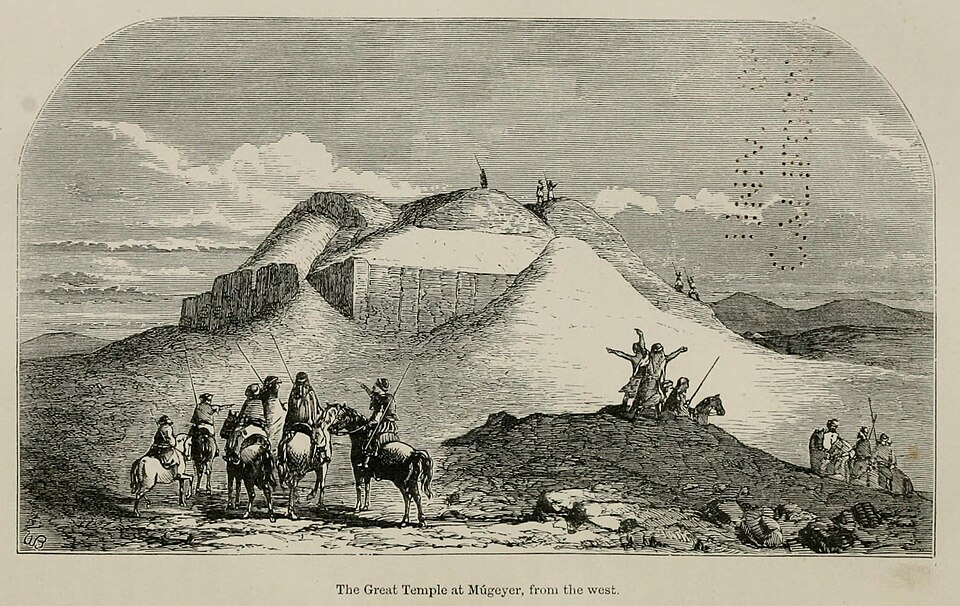
Its remains were excavated in the 1920s and 1930s by international teams led by Sir Leonard Woolley. Under Saddam Hussein in the 1980s, they were encased by a partial reconstruction of the façade and the monumental staircase. Today, Ur Tourist City is being developed adjacent to the site to serve Christian pilgrims and tourists, based on later religious traditions that identify a nearby complex as the home of the patriarch Abraham. The Ziggurat of Ur is the best-preserved of those known from Mesopotamia, besides the ziggurat of Dur Untash (Chogha Zanbil). It is one of three well-preserved structures of the Neo-Sumerian city of Ur, along with the Royal Mausolea and the Palace of Ur-Nammu (the E-hursag).
Further reading
- The Ziggurat and its surroundings · Leonard Woolley (1939)Woolley's excavation account of the Ziggurat at Ur and its surroundings.Find a copy: AbeBooks · Amazon · WorldCat
- Ur of the Chaldees · Leonard Woolley (1929)Woolley's account of excavating Ur of the Chaldees.Find a copy: AbeBooks · Amazon · WorldCat
Ziggurat of Ur is one of the 3D puzzles in World Artifacts: turn a cloud of broken pieces until it lines up. For iPhone, iPad, Apple Vision Pro and Android.

