World Artifacts › Atlas › Iran
Golestan Palace
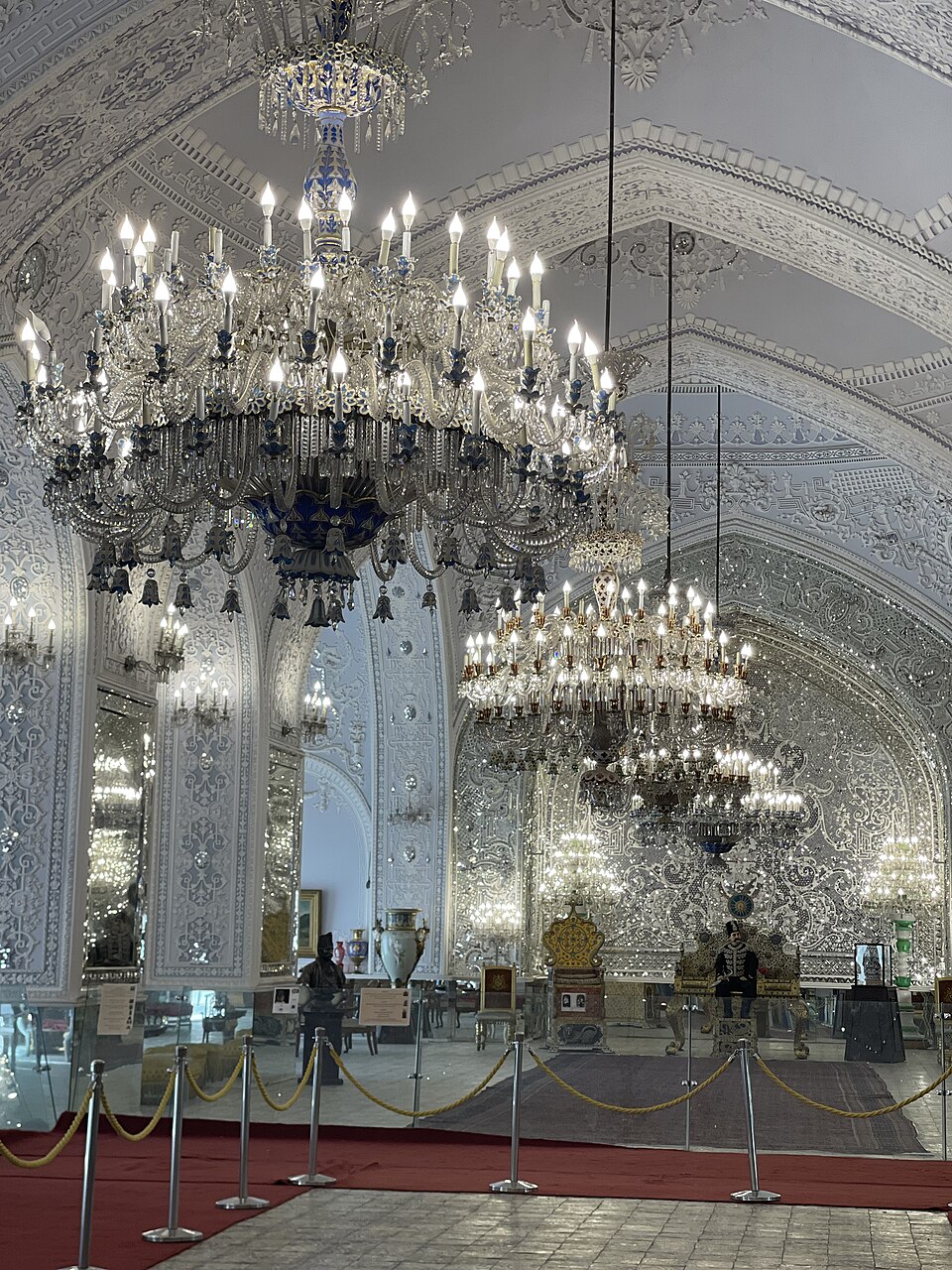
The mirrored halls are covered in thousands of small mirror fragments set in plaster. The technique began because mirrors shipped from Venice arrived broken, and Persian craftsmen decided to use the pieces rather than send them back.
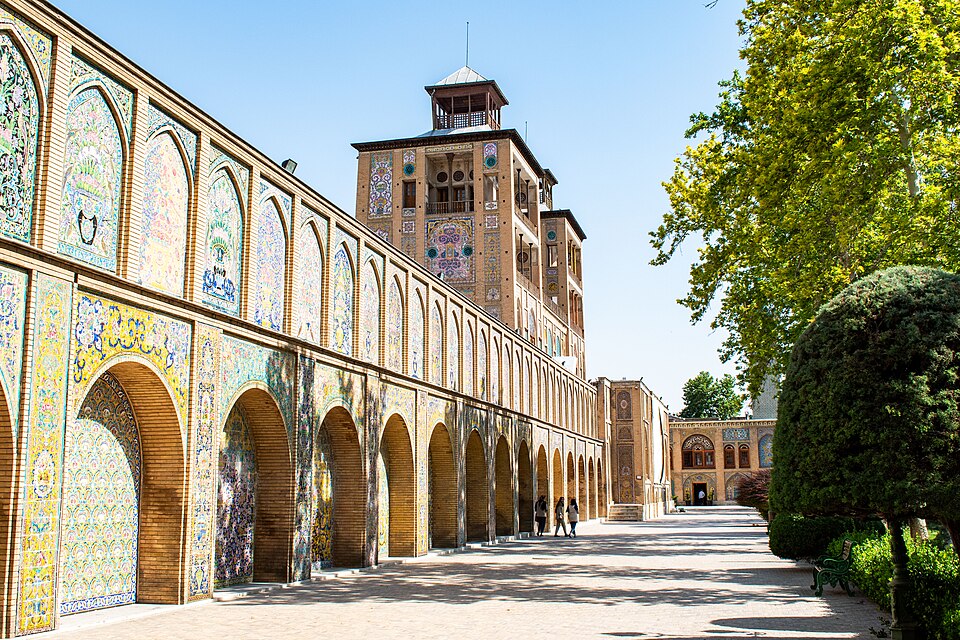
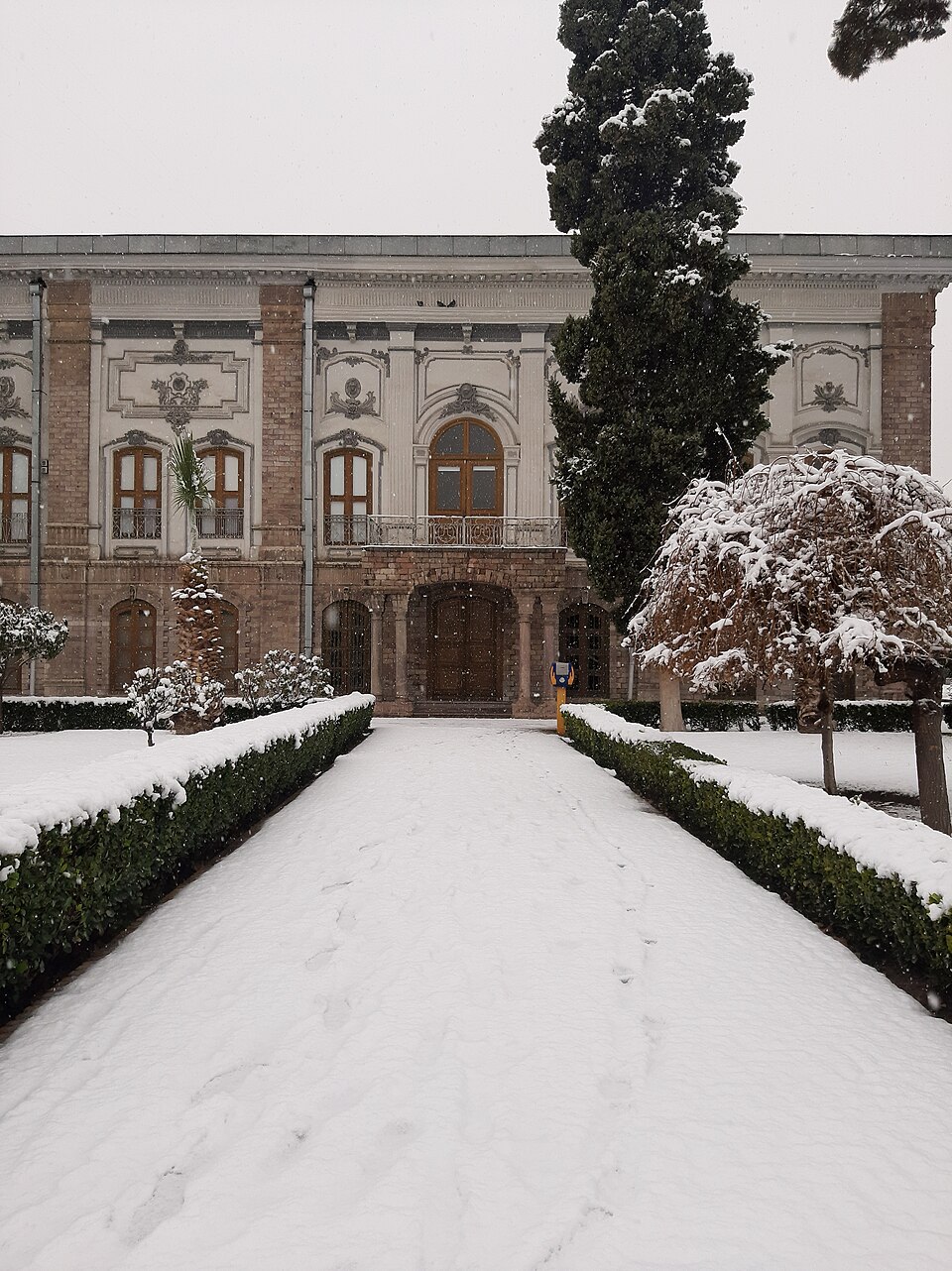
The Golestan Palace (Persian: کاخ گلستان, romanized: Kākh-e Golestān) is the former official royal Qajar complex in Tehran, Iran. One of the oldest historic monuments in the capital and a UNESCO World Heritage Site, the Golestan Palace consists of a group of eight palatial royal structures surrounded by a wall, today used mainly as museums, surrounded by an outer wall, which were once enclosed within the defensive walls of Tehran's citadel. Most of the royal buildings date back to the 19th century and display a collection of Iranian and European crafts and gifts from the 18th to the 20th century.
Further reading
- Pivot of the universe · Abbas Amanat (1997)A biography of Naser al-Din Shah, the Qajar king, covering Iranian monarchy and history.Find a copy: AbeBooks · Amazon · WorldCat
- Royal Persian paintings · Layla S. Diba (1998)Covers Qajar royal painting and art patronage, from an exhibition catalogue.Find a copy: AbeBooks · Amazon · WorldCat
Golestan Palace is one of the 3D puzzles in World Artifacts: turn a cloud of broken pieces until it lines up. For iPhone, iPad, Apple Vision Pro and Android.

