World Artifacts › Atlas › Iran
Persian Cat
The flat face of the modern Persian cat is a product of twentieth-century breeding; the cats that came out of Persia had ordinary muzzles, which paintings and early photographs show. The breathing problems came with the face.
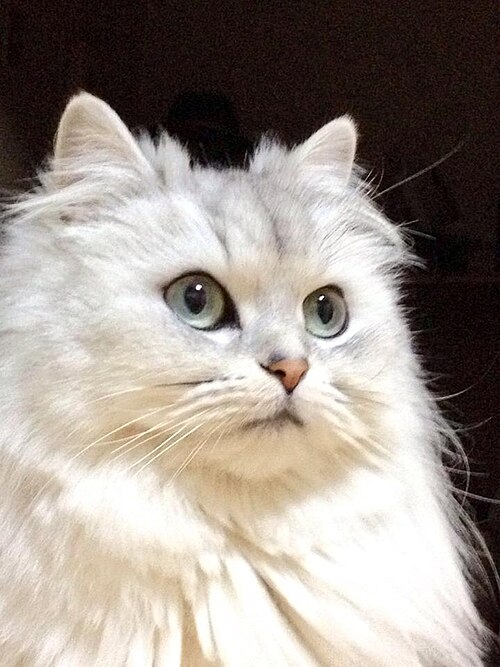
The Persian cat, also known as the Persian Longhair or simply Persian, is a long-haired traditional breed of cat characterised by a round face and petite, but not flat and not smashed in, muzzle. The short flat nose was created in the US from in-breeding and causes breathing difficulties in the breed, whereas the traditional Persian breed has a petite nose which enables them to breathe without difficulties.
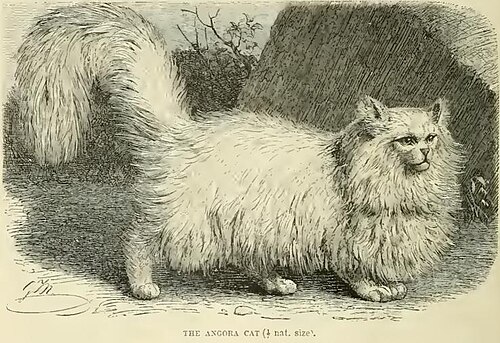
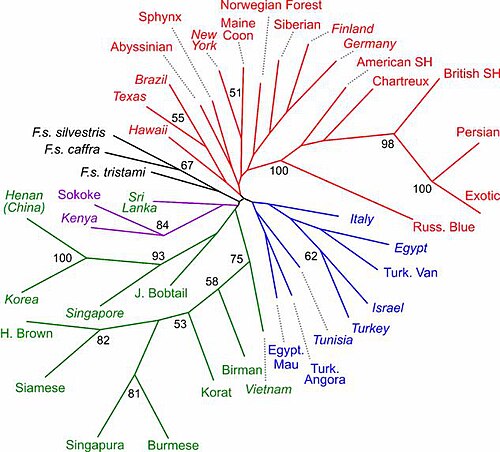
The first Persian cats may have been brought to Italy from Khorasan as early as 1620, but there is stronger evidence for a longhaired cat breed exported from Afghanistan and Iran/Persia from the 19th century onwards. Persian cats have been widely recognised by the North-West European cat fancy since the 19th century, and after World War II by breeders from North America, Australia and New Zealand. Some cat fancier organisations' breed standards subsume the Himalayan and Exotic Shorthair as variants of this breed, while others generally treat them as separate breeds.
Further reading
Persian Cat is one of the 3D puzzles in World Artifacts: turn a cloud of broken pieces until it lines up. For iPhone, iPad, Apple Vision Pro and Android.

