World Artifacts › Atlas › Iran
Qanat Shaft
A qanat is a gently sloping tunnel dug for tens of kilometres from an aquifer in the hills to a town, with vertical shafts along it for spoil and air. Some are three thousand years old and still supplying water, and the trade of digging them was inherited and dangerous.
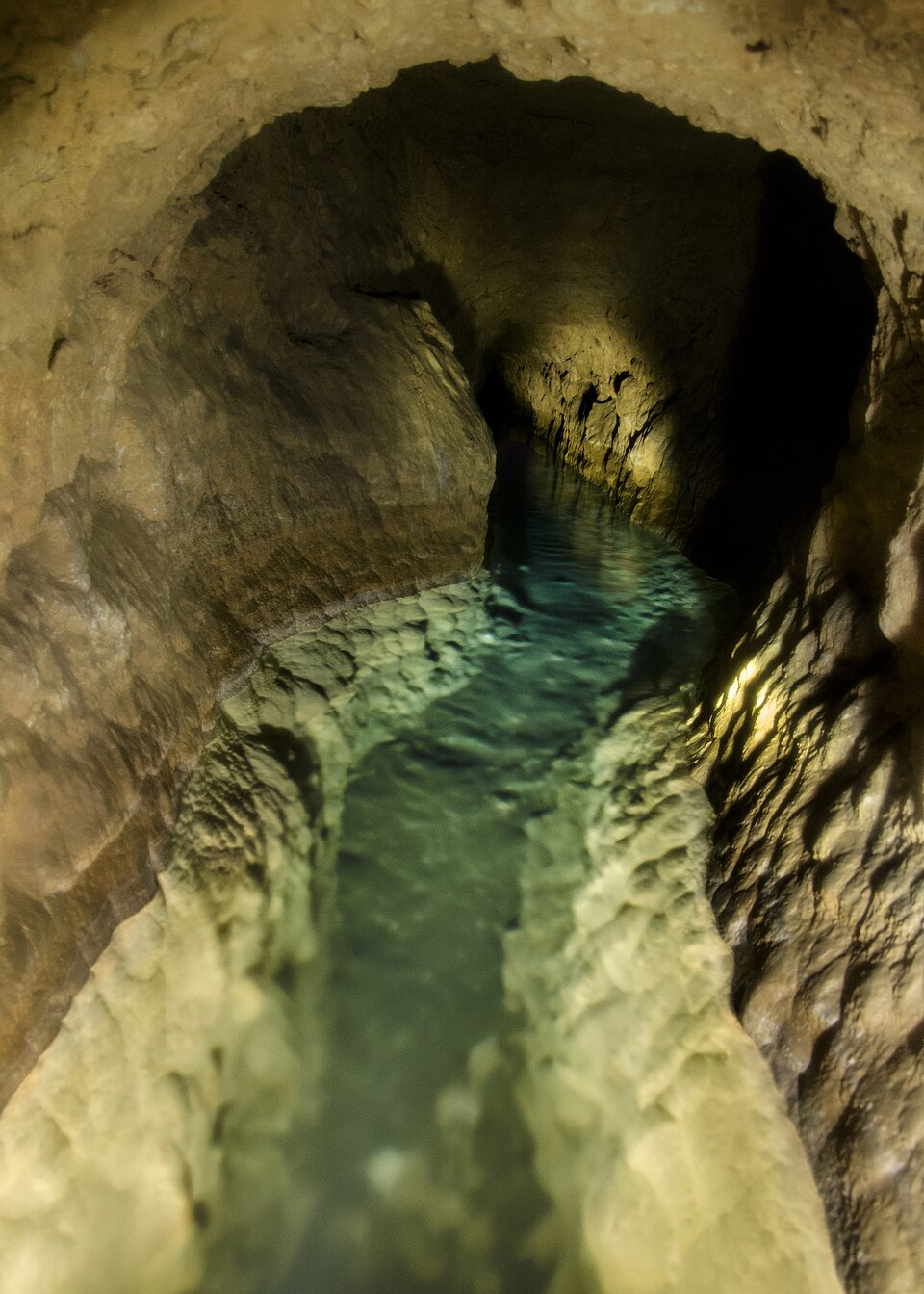
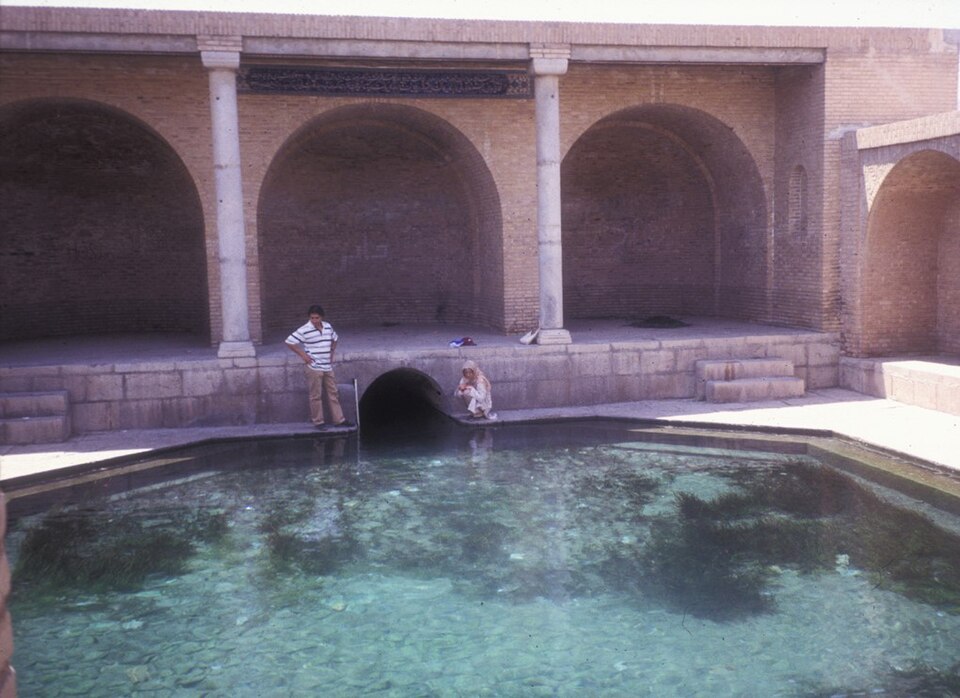
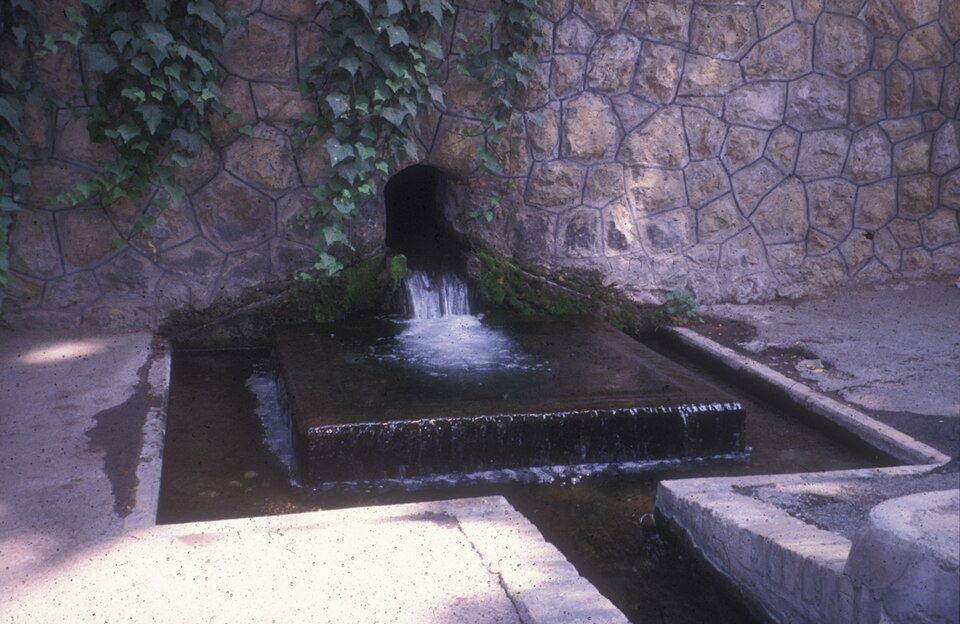
A qanāt (Persian: قَنَات) or kārīz (کَارِیز) is a water supply system that was developed in ancient Iran for the purpose of transporting usable water to the surface from an aquifer or a well through an underground aqueduct. Originating approximately 3,000 years ago, its function is essentially the same in systems across Asia and North Africa, but it is known by a variety of regional names beyond modern Iran, including: kārēz in Afghanistan and Pakistan; foggāra in Algeria; khettāra in the Atlas Mountains; the daoudi-type falaj in Oman and the United Arab Emirates; and ʿuyūn in Saudi Arabia. In addition to those in Iran, the largest extant and functional qanats are located in Afghanistan, Xinjiang in China (the Turpan water system), Oman, and Pakistan. Qanat-style systems were also introduced to parts of Europe under the Roman Empire and were later implemented on a larger scale in Muslim-ruled Spain. This laid the foundation for their introduction to parts of the Americas, although some archaeologists have asserted that similar systems may have already been developed and in use in the pre-Columbian era.
Further reading
Qanat Shaft is one of the 3D puzzles in World Artifacts: turn a cloud of broken pieces until it lines up. For iPhone, iPad, Apple Vision Pro and Android.

