World Artifacts › Atlas › Iceland
Mjölnir (Thor’s Hammer)
The handle is short in the myths because the dwarf smith was interrupted by a biting fly. Thor's hammer amulets were worn as protection, and moulds have been found that cast crosses and hammers side by side.
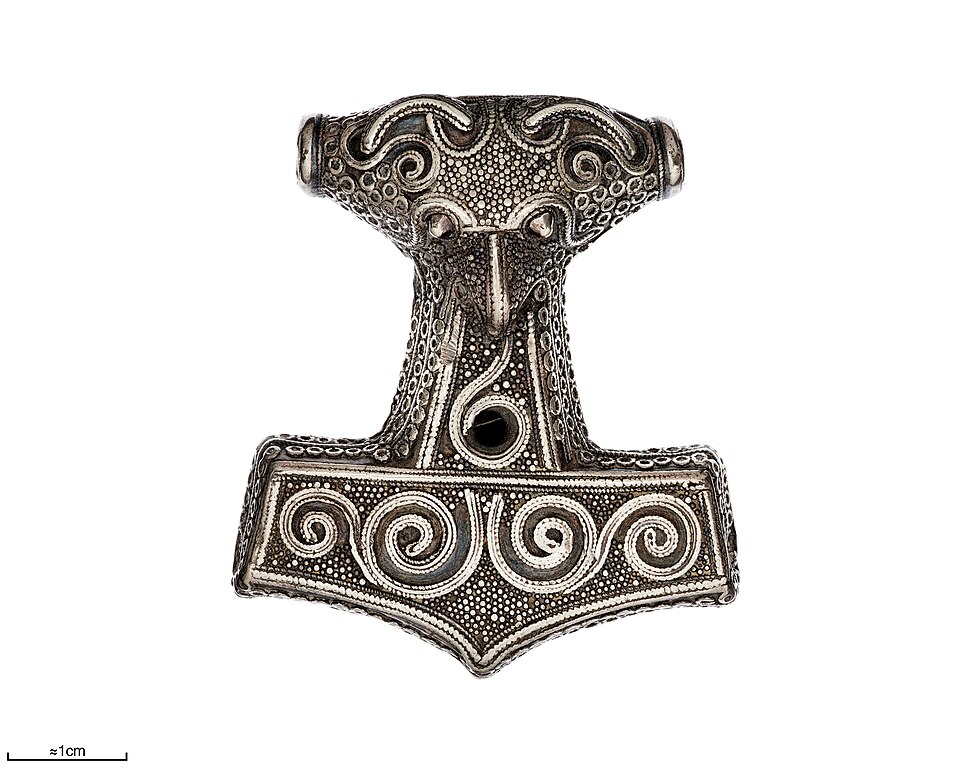
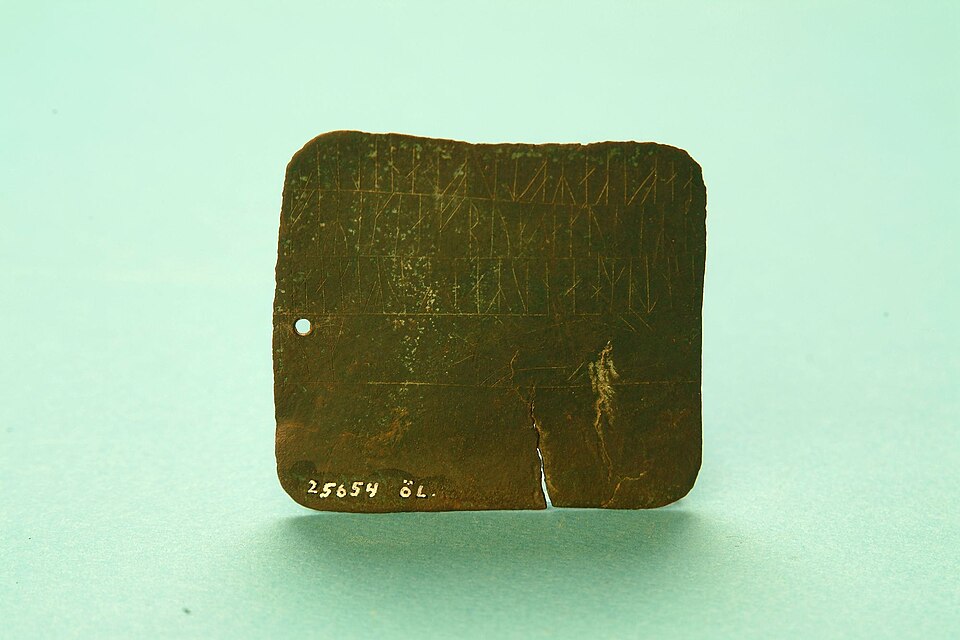
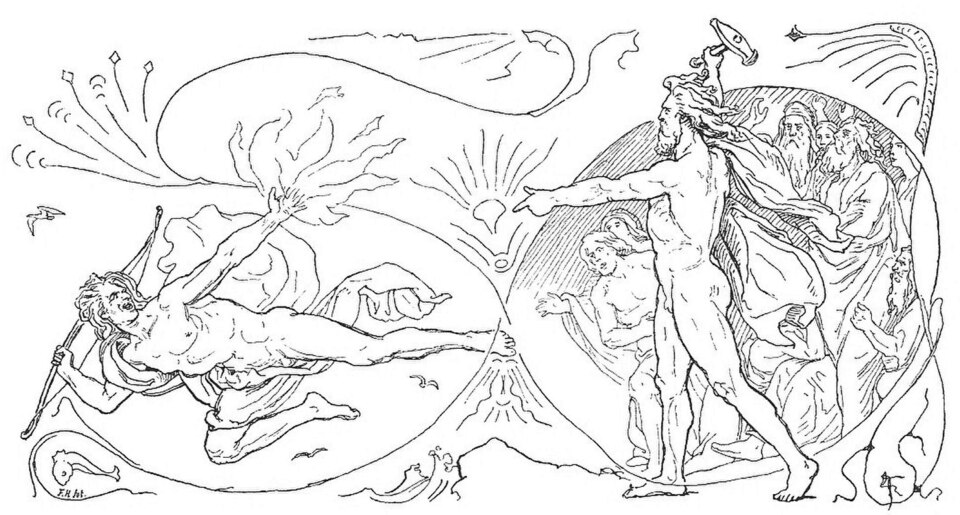
Mjölnir or Mjolnir (UK: MYOL-neer, US: MYAWL-neer; from Old Norse Mjǫllnir [ˈmjɔlːnir]) is the hammer of the thunder god Thor in Norse mythology, used both as a devastating weapon and as a divine instrument to provide blessings. The hammer is attested in numerous sources, including the 11th century runic Kvinneby amulet, the Poetic Edda, a collection of eddic poetry compiled in the 13th century, and the Prose Edda, a collection of prose and poetry compiled in the 13th century.
The hammer was commonly worn as a pendant during the Viking Age in the Scandinavian cultural sphere, sometimes called a Thor's hammer (cf. Swedish: torshammare, "Mjölnir pendant"), and Thor and his hammer occur depicted on a variety of objects from the archaeological record. Today the symbol appears in a wide variety of media and is again worn as a pendant by various groups, including adherents of modern Heathenry.
Further reading
Mjölnir (Thor’s Hammer) is one of the 3D puzzles in World Artifacts: turn a cloud of broken pieces until it lines up. For iPhone, iPad, Apple Vision Pro and Android.

