World Artifacts › Atlas › Italy
Venetian Carnival Mask
The bauta covers the face but leaves the jaw free, so the wearer can eat and drink without unmasking, and it distorts the voice. Venice regulated who could wear a mask and when, because for months of the year a masked citizen had no rank.
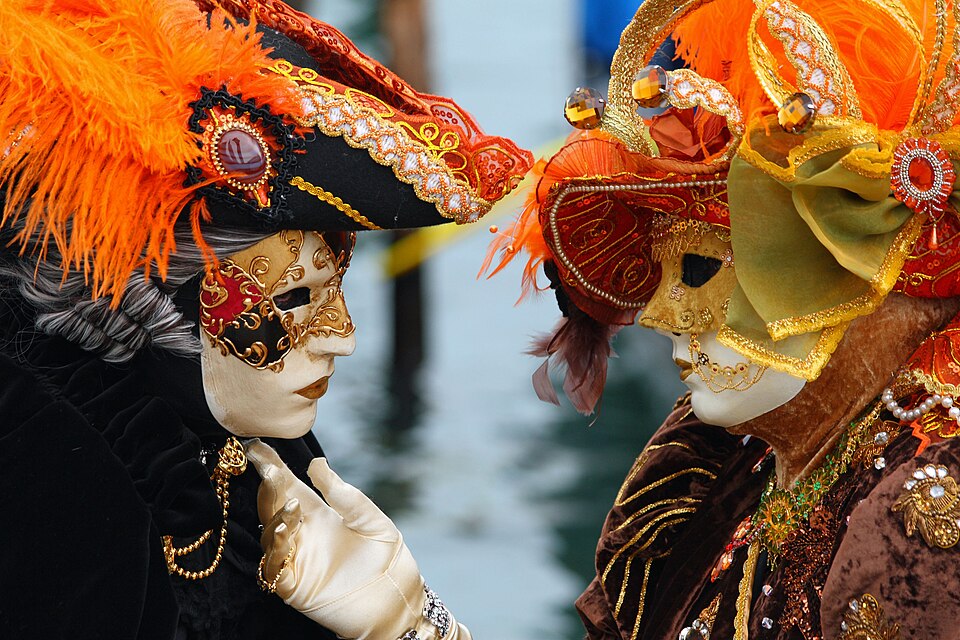
The Carnival of Venice (Italian: Carnevale di Venezia; Venetian: Carnaval de Venessia) is an annual festival held in Venice, Italy, famous for its elaborate costumes and masks. The Carnival ends on Shrove Tuesday (Martedì Grasso or Mardi Gras), which is the day before the start of Lent on Ash Wednesday.
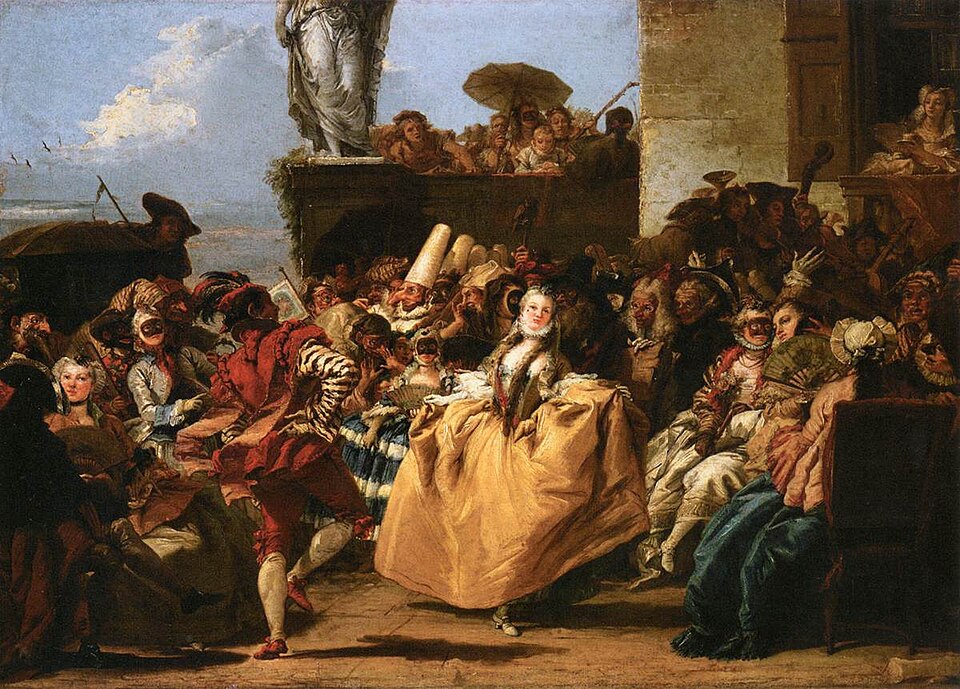
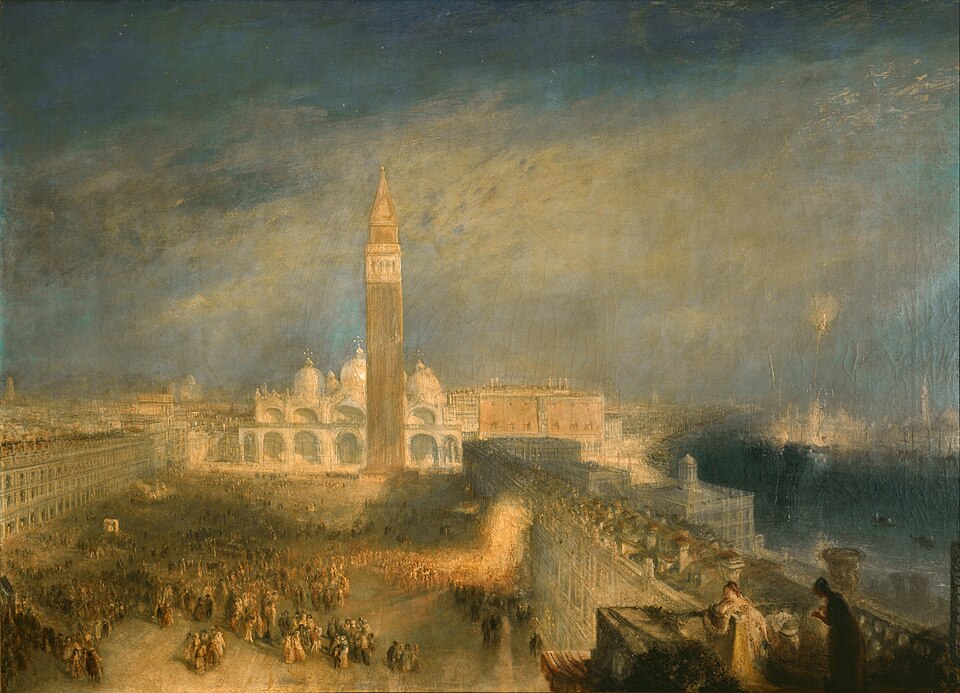
The Carnival traces its origins to the Middle Ages, existing for several centuries until it was abolished in 1797. The tradition was revived in 1979, and the modern event now attracts approximately 3 million visitors annually.
Further reading
- Venice incognito · Johnson, James H. (2011)Covers the history and social life of masks and masking in Venice.Find a copy: AbeBooks · Amazon · WorldCat
- Venice · Peter Ackroyd (2009)A history of Venice covering its social life and customs, the city where the bauta was worn.Find a copy: AbeBooks · Amazon · WorldCat
Venetian Carnival Mask is one of the 3D puzzles in World Artifacts: turn a cloud of broken pieces until it lines up. For iPhone, iPad, Apple Vision Pro and Android.

