World Artifacts › Atlas › Jamaica
Rastafarian
The dreadlocks and tam.

Rastafari is an Abrahamic religion that developed in Jamaica during the 1930s. It is classified as both a new religious movement and a social movement by scholars of religion. There is no central authority in control of the movement and much diversity exists among practitioners, who are known as Rastafari, Rastafarians, or Rastas.
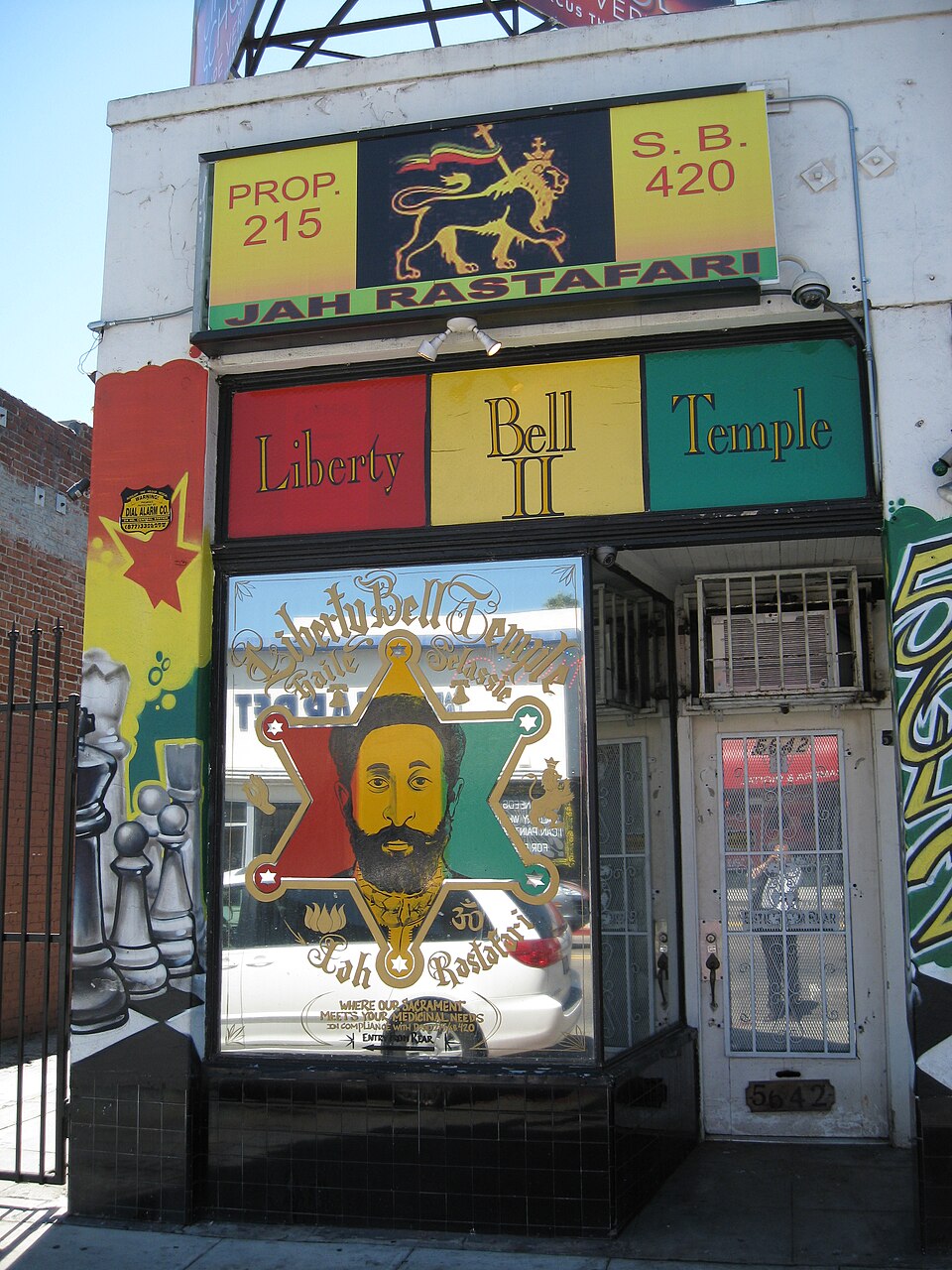
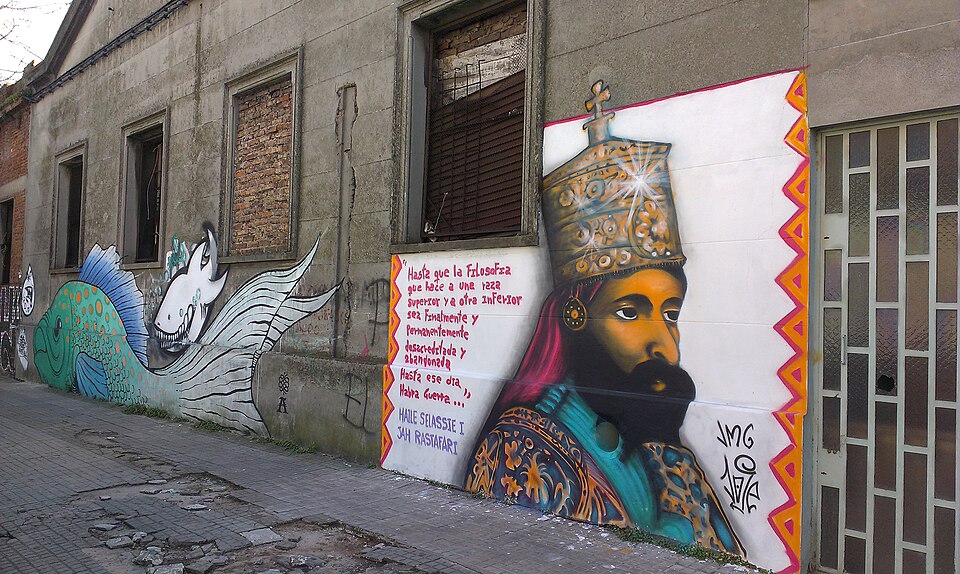
Rastafari beliefs are based on an interpretation of the Christian Bible. Central to the religion is a monotheistic belief in a single God, referred to as Jah, who partially resides within each individual. Rastas accord key importance to Haile Selassie, Emperor of Ethiopia between 1930 and 1974. Many see him as the Second Coming of Jesus and Jah incarnate; others deem him a human prophet. Rastafari is Afrocentric and focuses attention on the African diaspora, which it believes is oppressed within "Babylon", meaning Western capitalist society. Many Rastas call for this diaspora's resettlement in Africa, a continent they consider "Zion", the Promised Land. Rastas refer to their practices as "livity", which includes adhering to Ital dietary requirements, wearing their hair in dreadlocks, and following patriarchal gender roles. Communal meetings are known as "groundations", and are typified by music, chanting, discussions, and the smoking of cannabis, the latter regarded as a sacrament with beneficial properties.
Further reading
- Rastafari · Barry Chevannes (1994)A history of the Rastafari movement, covering its religion and dreadlocks, set in Kingston.Find a copy: AbeBooks · Amazon · WorldCat
- The Rastafarians · Leonard E. Barrett (1977)A study of the Rastafarians as a religious movement and its history.Find a copy: AbeBooks · Amazon · WorldCat
Rastafarian is one of the 3D puzzles in World Artifacts: turn a cloud of broken pieces until it lines up. For iPhone, iPad, Apple Vision Pro and Android.

