World Artifacts › Atlas › Japan
Cherry Blossom Branch
Almost every famous cherry tree in Japan is the same tree: Somei-Yoshino are all clones propagated by grafting from one cultivar, which is why a whole city flowers within a few days. The blossom front is forecast and reported like weather.
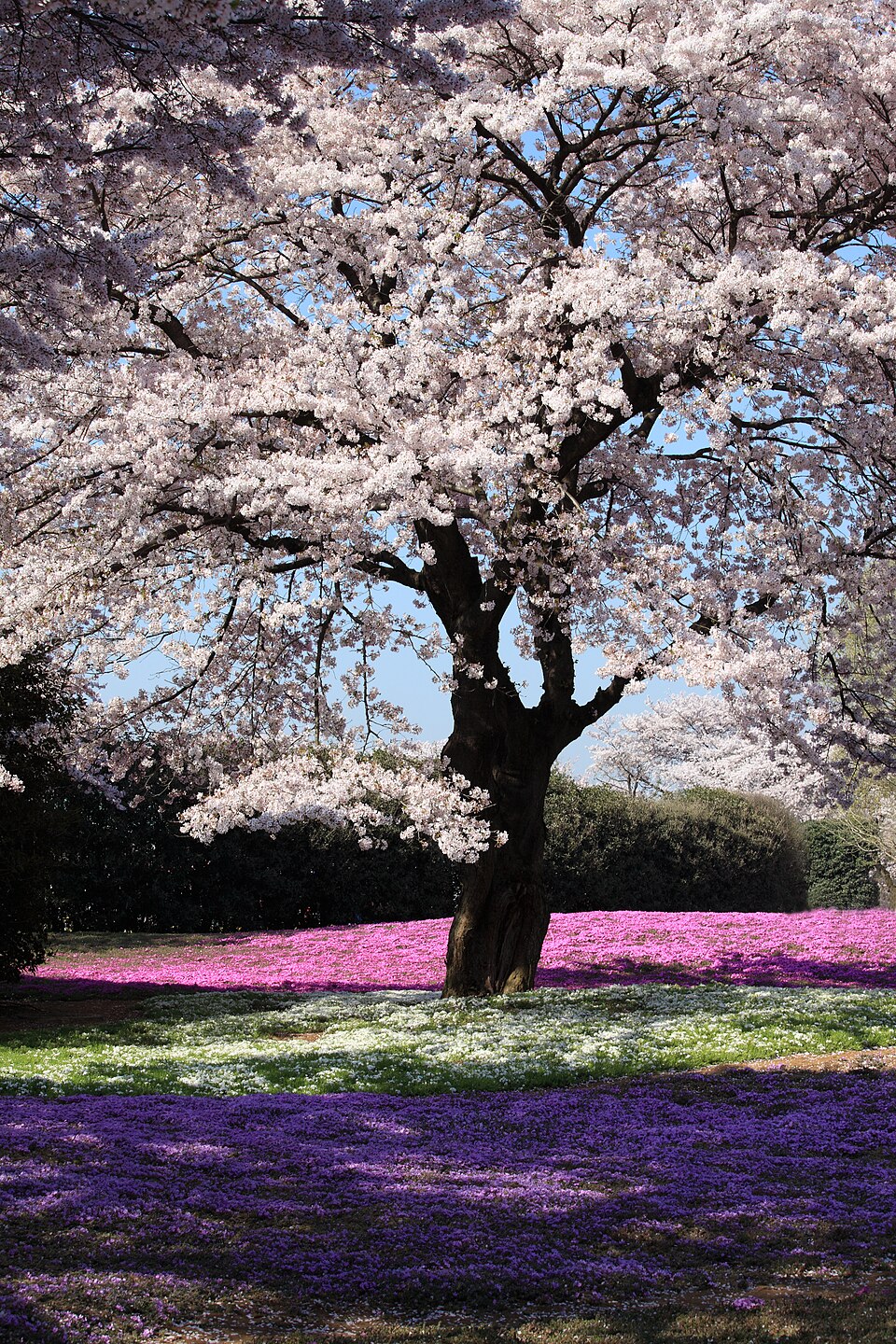
The cherry blossom, or sakura, is the flower of trees in Prunus subgenus Cerasus. Sakura usually refers to flowers of ornamental cherry trees, such as cultivars of Prunus serrulata, not trees grown for their fruit (although these also have blossoms). Cherry blossoms have been described as having a vanilla-like smell, which is mainly attributed to coumarin.
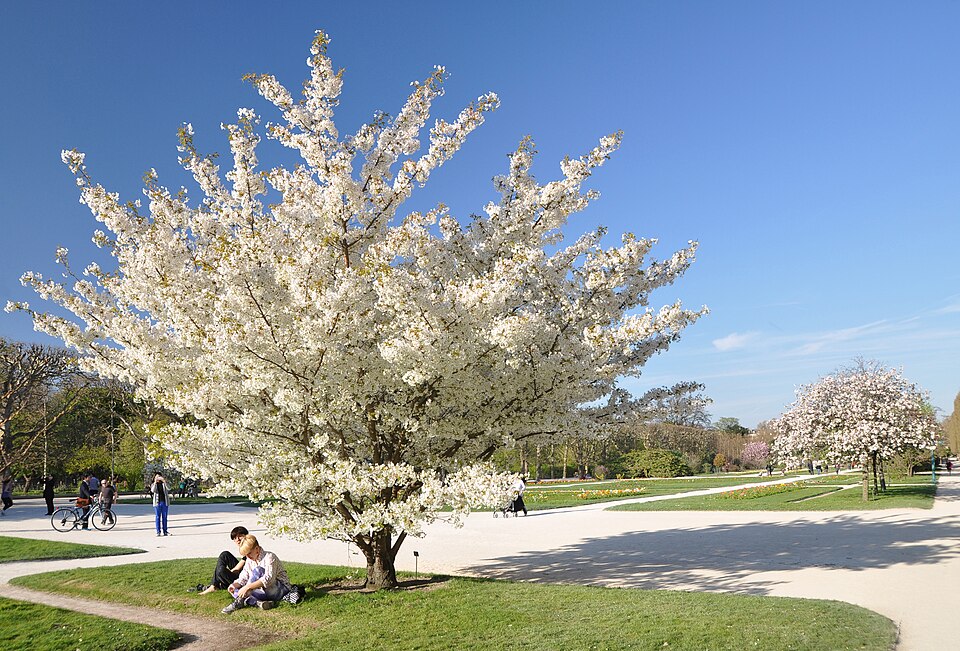
Wild species of cherry tree are widely distributed, mainly in the Northern Hemisphere. They are common in East Asia, especially in Japan, where they have been cultivated, producing many varieties.
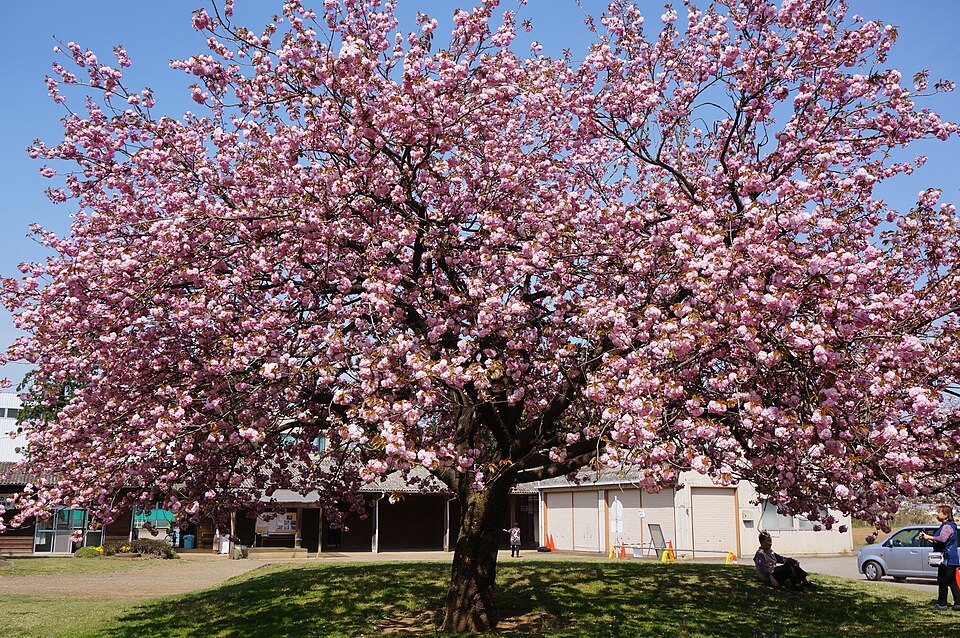
Most of the ornamental cherry trees planted in parks and other places for viewing are cultivars developed for ornamental purposes from various wild species. In order to create a cultivar suitable for viewing, a wild species with characteristics suitable for viewing is needed. Prunus speciosa (Oshima cherry), which is endemic to Japan, produces many large flowers, is fragrant, easily mutates into double flowers and grows rapidly. As a result, various cultivars, known as the Cerasus Sato-zakura Group, have been produced since the 14th century and continue to contribute greatly to the development of hanami (flower viewing) culture. From the modern period, cultivars are mainly propagated by grafting, which quickly produces cherry trees with the same genetic characteristics as the original individuals, and which are excellent to look at.
Further reading
Cherry Blossom Branch is one of the 3D puzzles in World Artifacts: turn a cloud of broken pieces until it lines up. For iPhone, iPad, Apple Vision Pro and Android.

