World Artifacts › Atlas › South Korea
Hanok House
A hanok is heated from underneath: flues run from the kitchen fire under the stone floor, so cooking the dinner warms the room. That system is one of the oldest forms of underfloor heating anywhere and modern Korean flats still use its descendant.
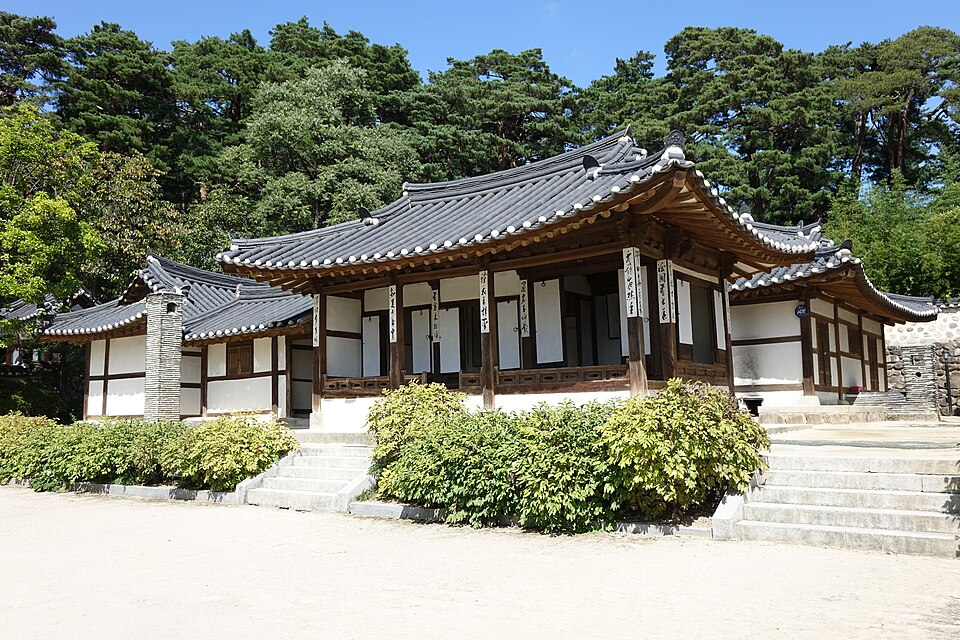
A hanok (Korean: 한옥; name in South Korea) or chosŏnjip (조선집; name in North Korea and for Koreans in Yanbian, China) is a traditional Korean house. Hanok have their origins in pit houses from the early Neolithic period around 6,000 BCE, and the traditional form of Hanok was completed in the late Joseon period.
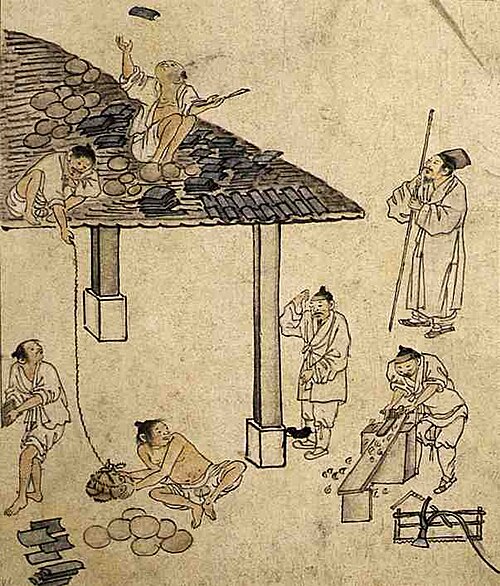
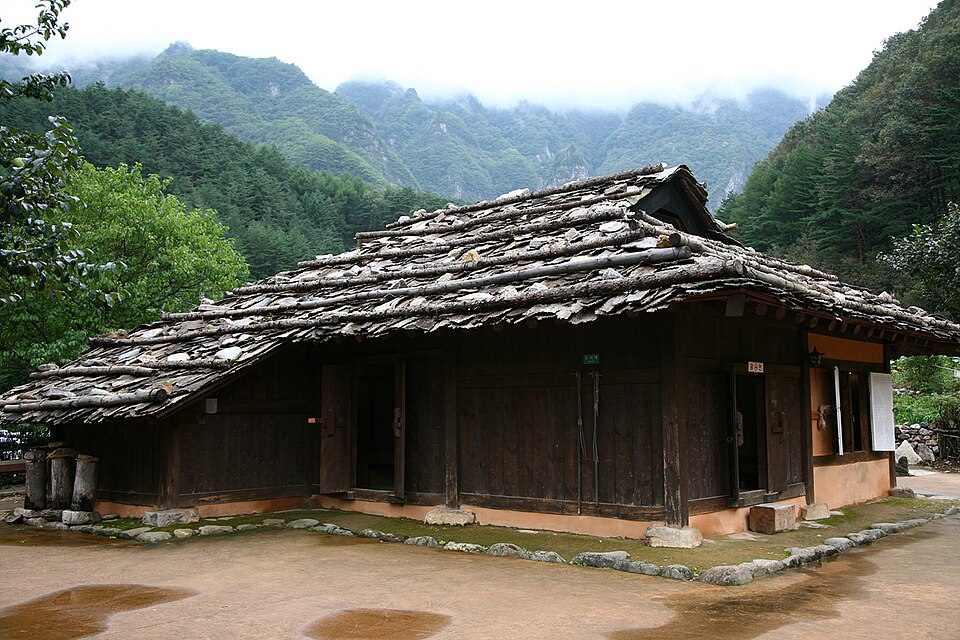
Korean architecture considers the positioning of the house in relation to its surroundings, with thought given to the land and seasons. The interior of the house is also planned accordingly. This principle is called baesanimsu (배산임수; 背山臨水), meaning that the ideal house is built with a mountain in the back and a river in the front. Hanok shapes differ by region. In the cold northern regions of Korea, hanok are built in a square with a courtyard in the middle in order to retain heat better. In the south, hanok are more open and L-shaped.
Hanok House is one of the 3D puzzles in World Artifacts: turn a cloud of broken pieces until it lines up. For iPhone, iPad, Apple Vision Pro and Android.

