World Artifacts › Atlas › Kazakhstan
Caravanserai
The Silk Road inn.
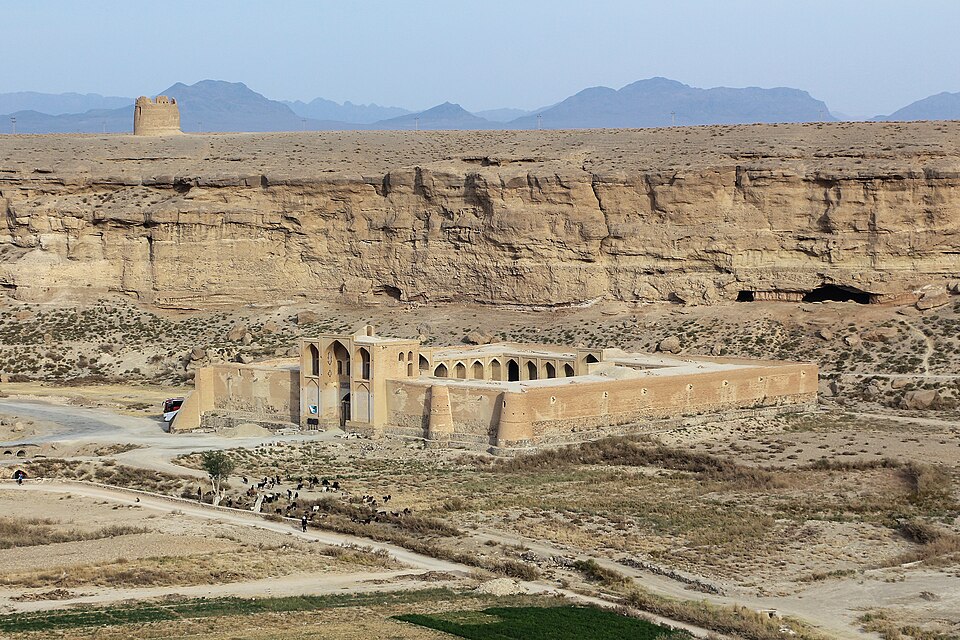
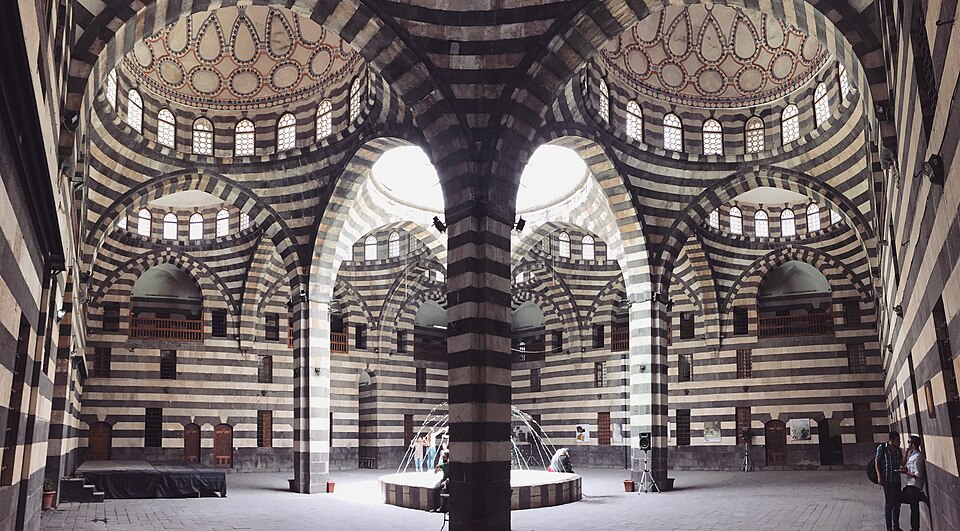
A caravanserai ( KARR-ə-VAN-sər-eye) or caravansary ( KARR-ə-VAN-sər-ee) was an inn that provided lodging for travelers, merchants, and caravans. They were present throughout much of the Islamic world. Depending on the region and period, they were called by a variety of names including khan, funduq and wikala. Caravanserais supported the flow of commerce, information, and people across the network of trade routes covering Asia, North Africa and Southeast Europe, most notably the Silk Road. In the countryside, they were typically built at intervals equivalent to a day's journey along important roads, where they served as a kind of staging post. Urban versions of caravanserais were historically common in cities, where they could serve as inns, depots, and venues for conducting business.
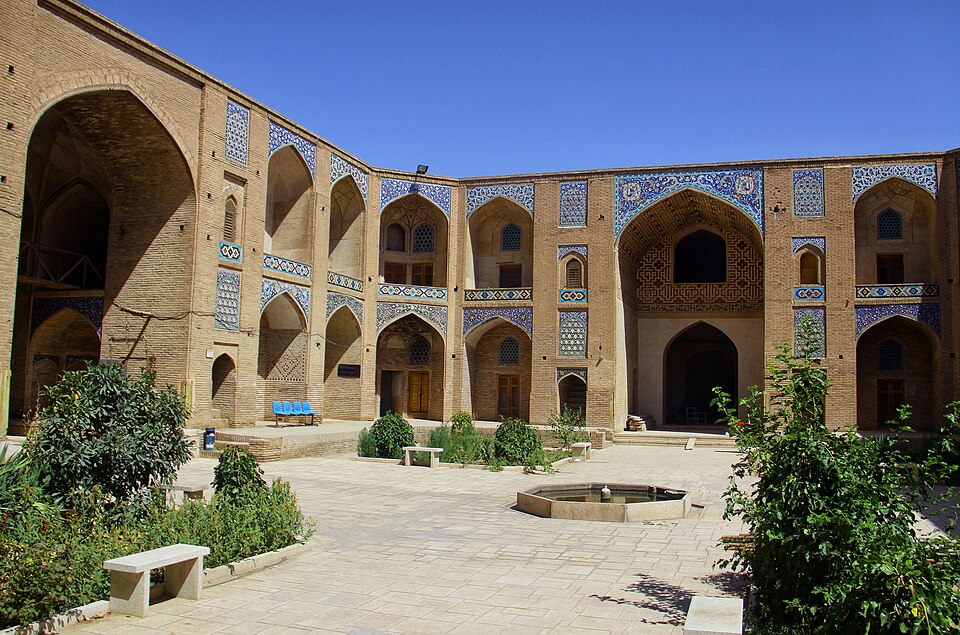
The buildings were most commonly rectangular structures with one protected entrance. Inside, a central courtyard was surrounded by an array of rooms on one or more levels. In addition to lodgings for people, they often included space to accommodate horses, camels, and other pack animals, as well as storage rooms for merchandise.
Further reading
- The Silk Road: A New History with Documents · Valerie Hansen (2016)A history of the Silk Road with documents, covering trade routes and historic sites.Find a copy: AbeBooks · Amazon · WorldCat
- Dictionary of Islamic Architecture · Andrew Petersen (1996)A dictionary of Islamic architecture, a reference for building types like the caravanserai.Find a copy: AbeBooks · Amazon · WorldCat
Caravanserai is one of the 3D puzzles in World Artifacts: turn a cloud of broken pieces until it lines up. For iPhone, iPad, Apple Vision Pro and Android.

