World Artifacts › Atlas › Sri Lanka
Blue Whale
The whale off Mirissa.
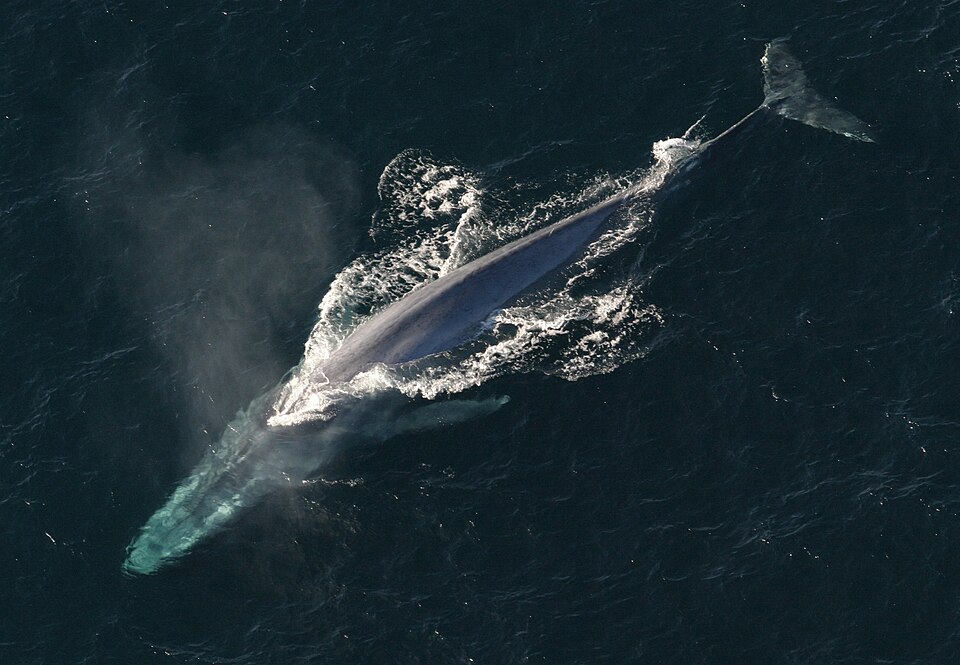
The blue whale (Balaenoptera musculus) is a species of baleen whale and the largest marine mammal in the rorqual family Balaenopteridae. Reaching a maximum confirmed length of 29.9-30.5 m (98-100 ft) and weighing up to 190-200 t (190-200 long tons; 210-220 short tons), it is the largest animal known to have ever existed. The blue whale's long and slender body can be of various shades of greyish-blue on its upper surface and somewhat lighter underneath. Four subspecies are recognized: B. m. musculus in the North Atlantic and North Pacific, B. m. intermedia in the Southern Ocean, B. m. brevicauda (the pygmy blue whale) in the Indian Ocean and South Pacific Ocean, and B. m. indica in the Northern Indian Ocean. There is a population in the waters off Chile that may constitute a fifth subspecies.
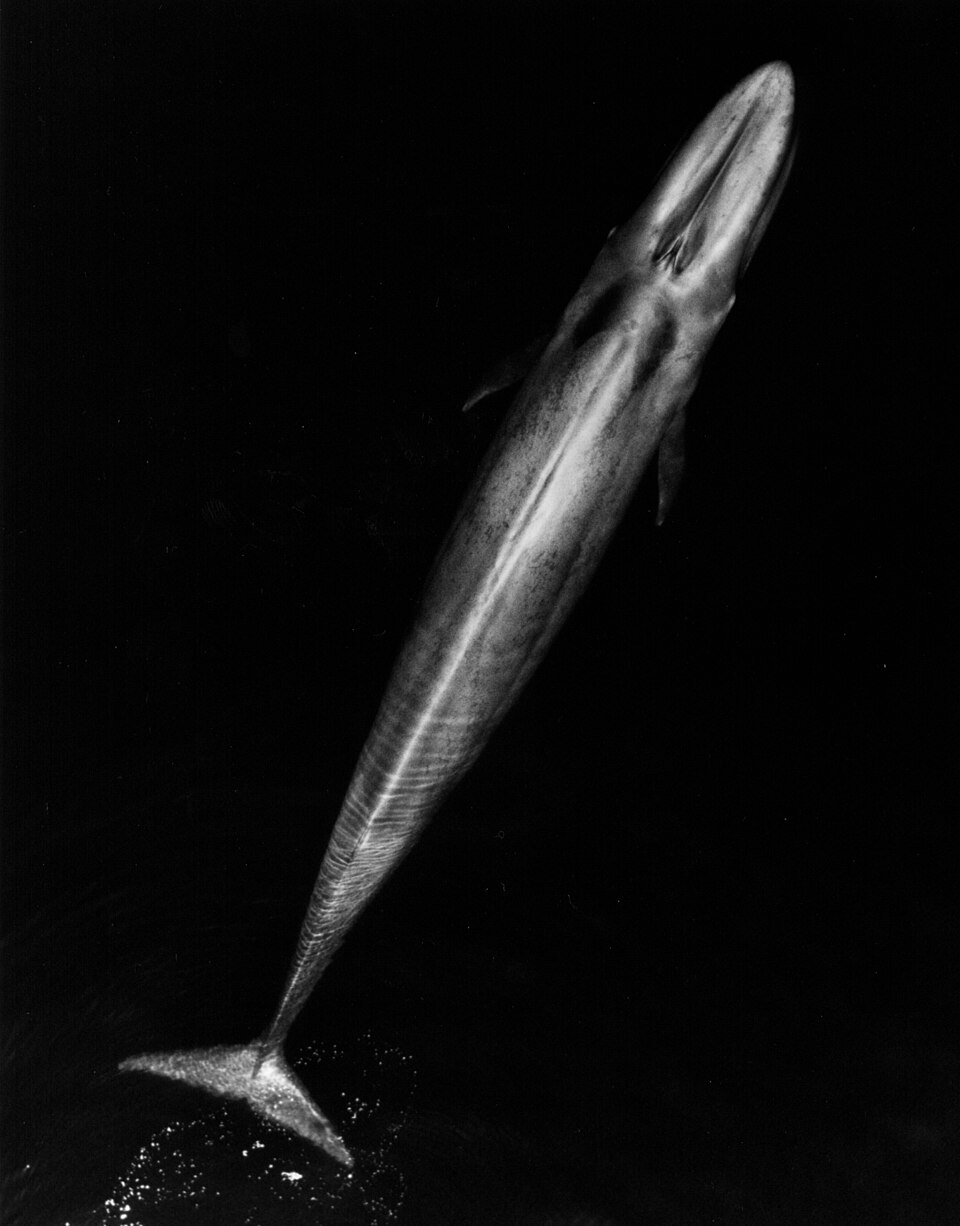
In general, blue whale populations migrate between their summer feeding areas near the poles and their winter breeding grounds near the tropics. There is also evidence of year-round residencies, and partial or age- and sex-based migration. Blue whales are filter feeders; their diet consists almost exclusively of krill. They are generally solitary or gather in small groups, and have no well-defined social structure other than mother-calf bonds. Blue whales vocalize, with a fundamental frequency ranging from 8 to 25 Hz; their vocalizations may vary by region, season, behavior, and time of day.
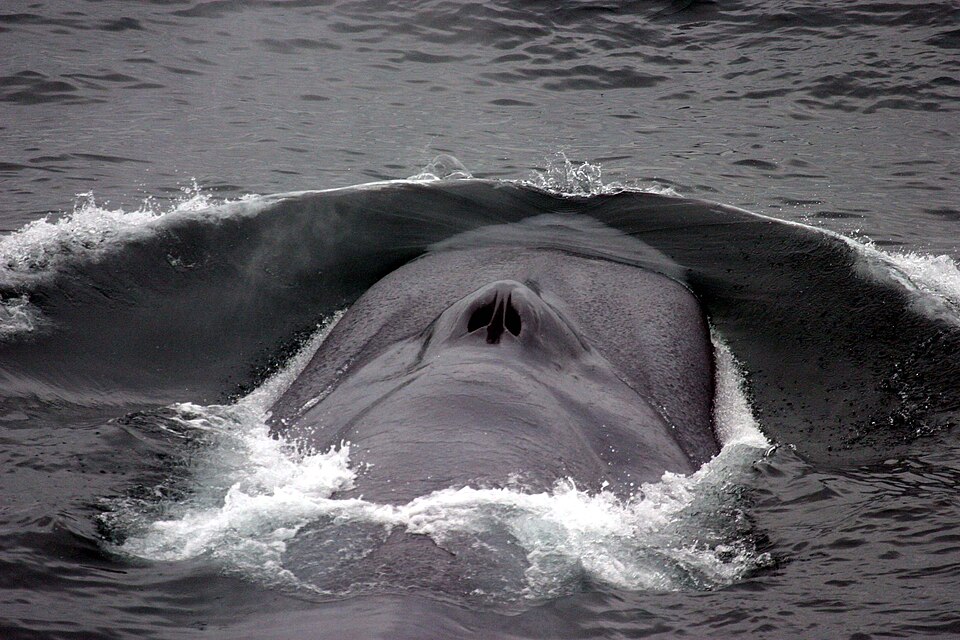
Further reading
- Wild blue · Dan Bortolotti (2008)A book specifically about the blue whale, cataloged under Blue whale and Whales.Find a copy: AbeBooks · Amazon · WorldCat
- The book of whales · Richard Ellis (1980)A general book on whales and whaling by Richard Ellis, covering whale species and the history of whaling.Find a copy: AbeBooks · Amazon · WorldCat
Blue Whale is one of the 3D puzzles in World Artifacts: turn a cloud of broken pieces until it lines up. For iPhone, iPad, Apple Vision Pro and Android.

