World Artifacts › Atlas › Sri Lanka
Raksha Mask
The cobra-crowned devil mask.
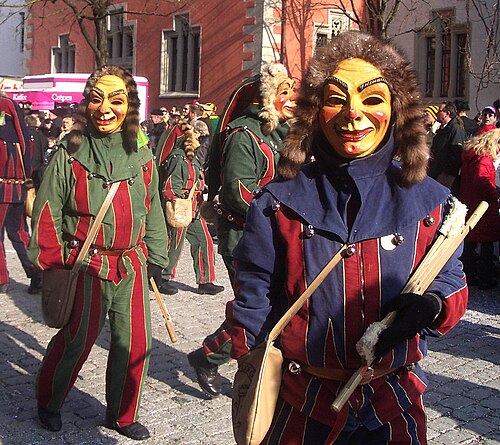
A mask is an object normally worn on the face, typically for protection, disguise, performance, or entertainment, and often employed for rituals and rites. Masks have been used since antiquity for both ceremonial and practical purposes, as well as in the performing arts and for entertainment. They are usually worn on the face, though they may also be positioned elsewhere on the wearer's body for effect.
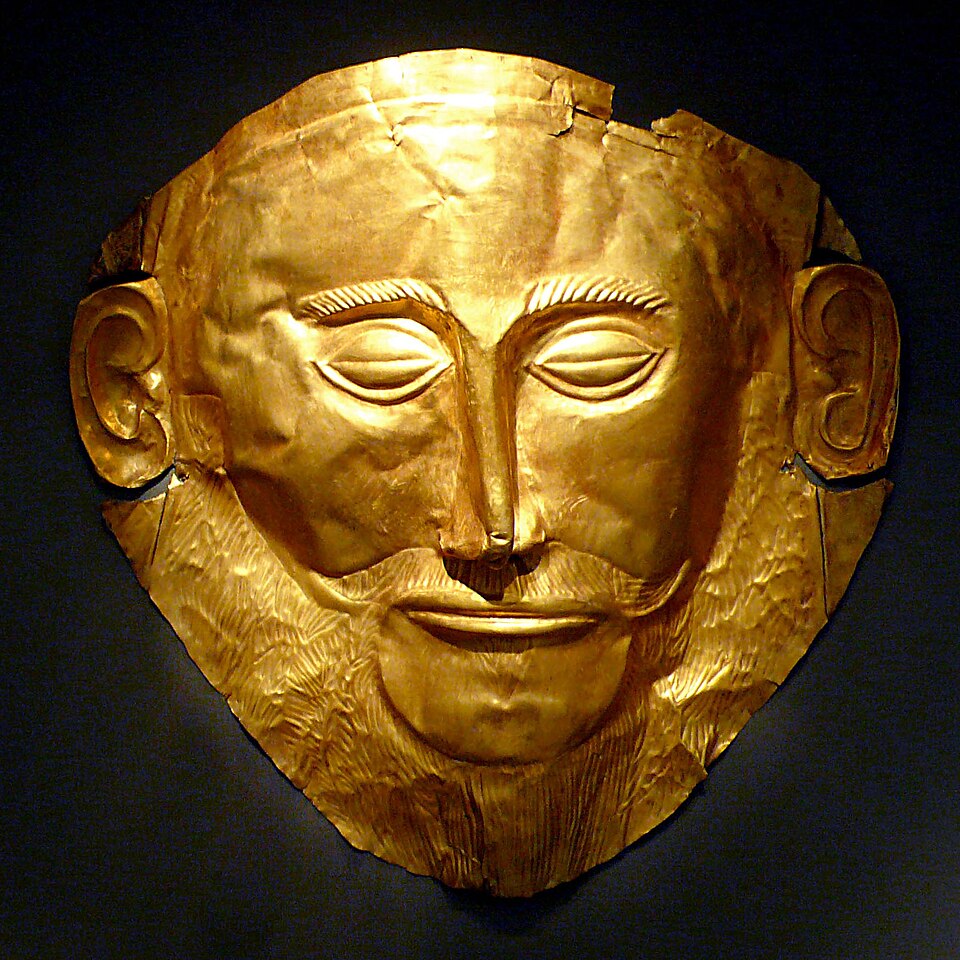
In art history, especially sculpture, "mask" is the term for a face without a body that is not modelled in the round (which would make it a "head"), but, for example, appears in low relief.
Further reading
- A celebration of demons · Bruce Kapferer (1983)Studies Sinhalese Sri Lankan exorcism rites and demonology, including healing rituals and ceremonies.Find a copy: AbeBooks · Amazon · WorldCat
- The folk drama of Ceylon · E. R. Sarachchandra (1966)A study of folk drama in Ceylon.Find a copy: AbeBooks · Amazon · WorldCat
Raksha Mask is one of the 3D puzzles in World Artifacts: turn a cloud of broken pieces until it lines up. For iPhone, iPad, Apple Vision Pro and Android.

