World Artifacts › Atlas › Morocco
Berber Tattoo Face
Facial tattoos on Amazigh women, on the chin and forehead, marked tribe, status and protection, and were applied in adolescence. The practice was declared un-Islamic and has died out, so the women who carry them are now very old and are the last of it.
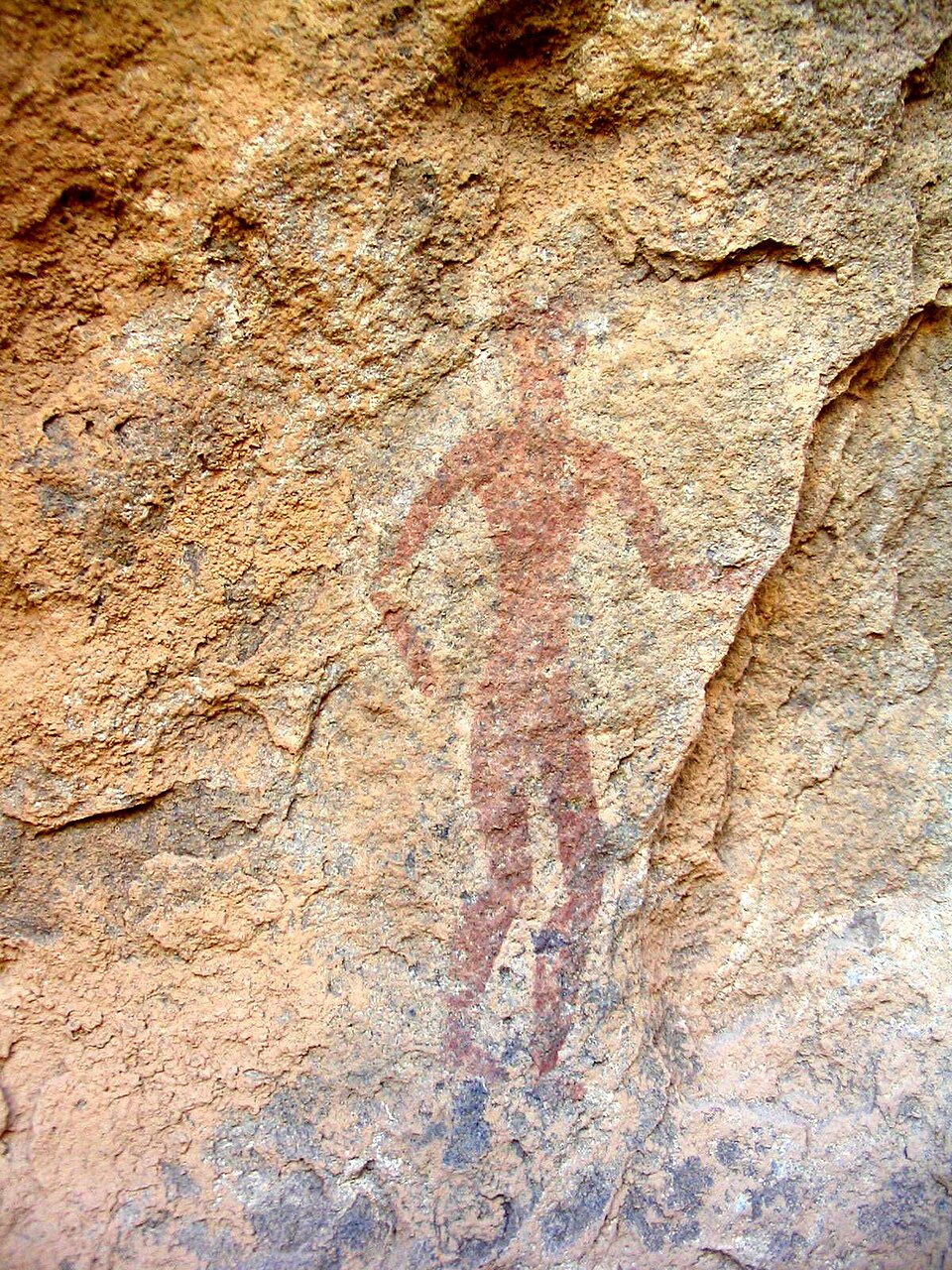
Berbers, also known as Amazighs or Imazighen, are an ethnic group indigenous to North Africa. They are primarily connected by their use of Berber languages, which are part of the Afroasiatic language family.
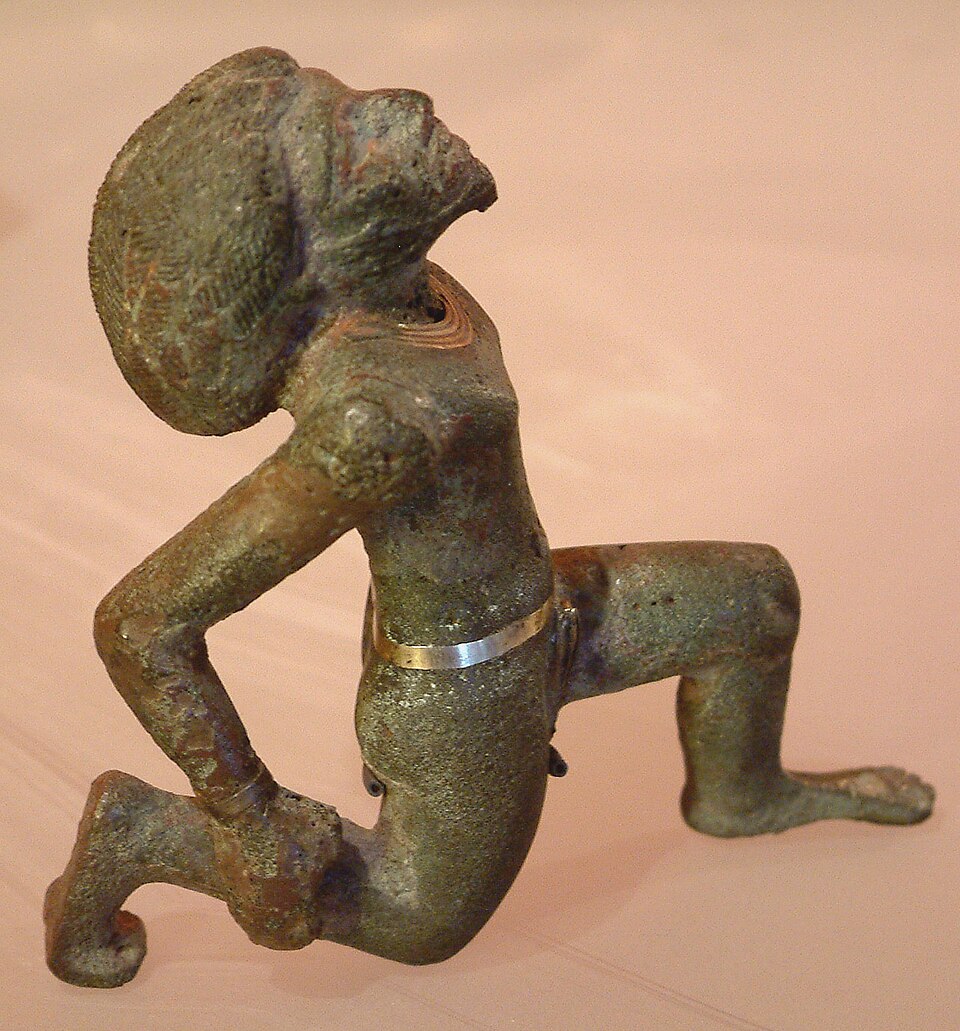
The Berbers are indigenous to the Maghreb region of North Africa, where they live in communities across parts of Morocco, Algeria, Libya, and to a lesser extent Tunisia, Mauritania, northern Mali and northern Niger (Azawagh). Smaller Berber communities are also found in Burkina Faso and Egypt's Siwa Oasis. Many in the community view the exonym "Berber", equivalent and related to the Arabic word for "barbarian" (بربر), as pejorative, and prefer the endonym "Amazigh".
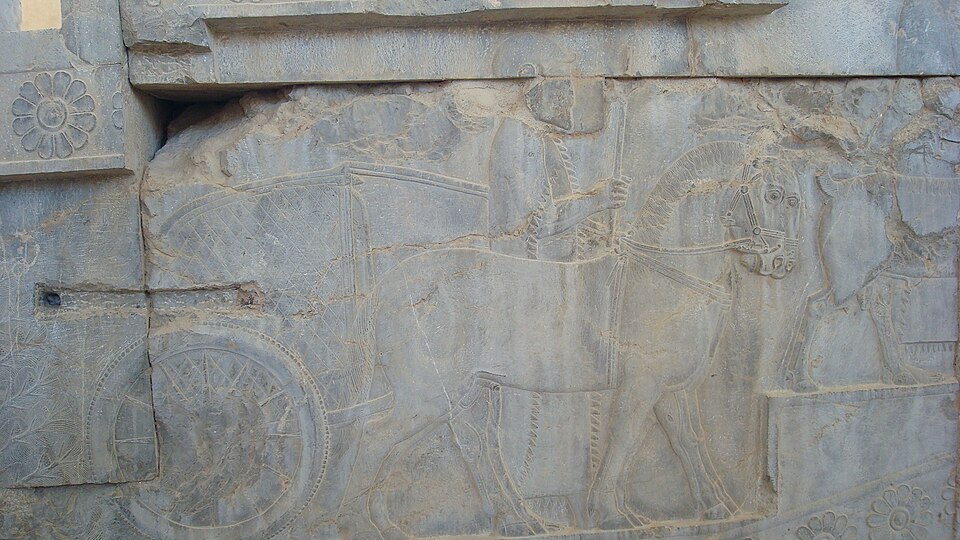
Further reading
Berber Tattoo Face is one of the 3D puzzles in World Artifacts: turn a cloud of broken pieces until it lines up. For iPhone, iPad, Apple Vision Pro and Android.

