World Artifacts › Atlas › Morocco
Chefchaouen Street
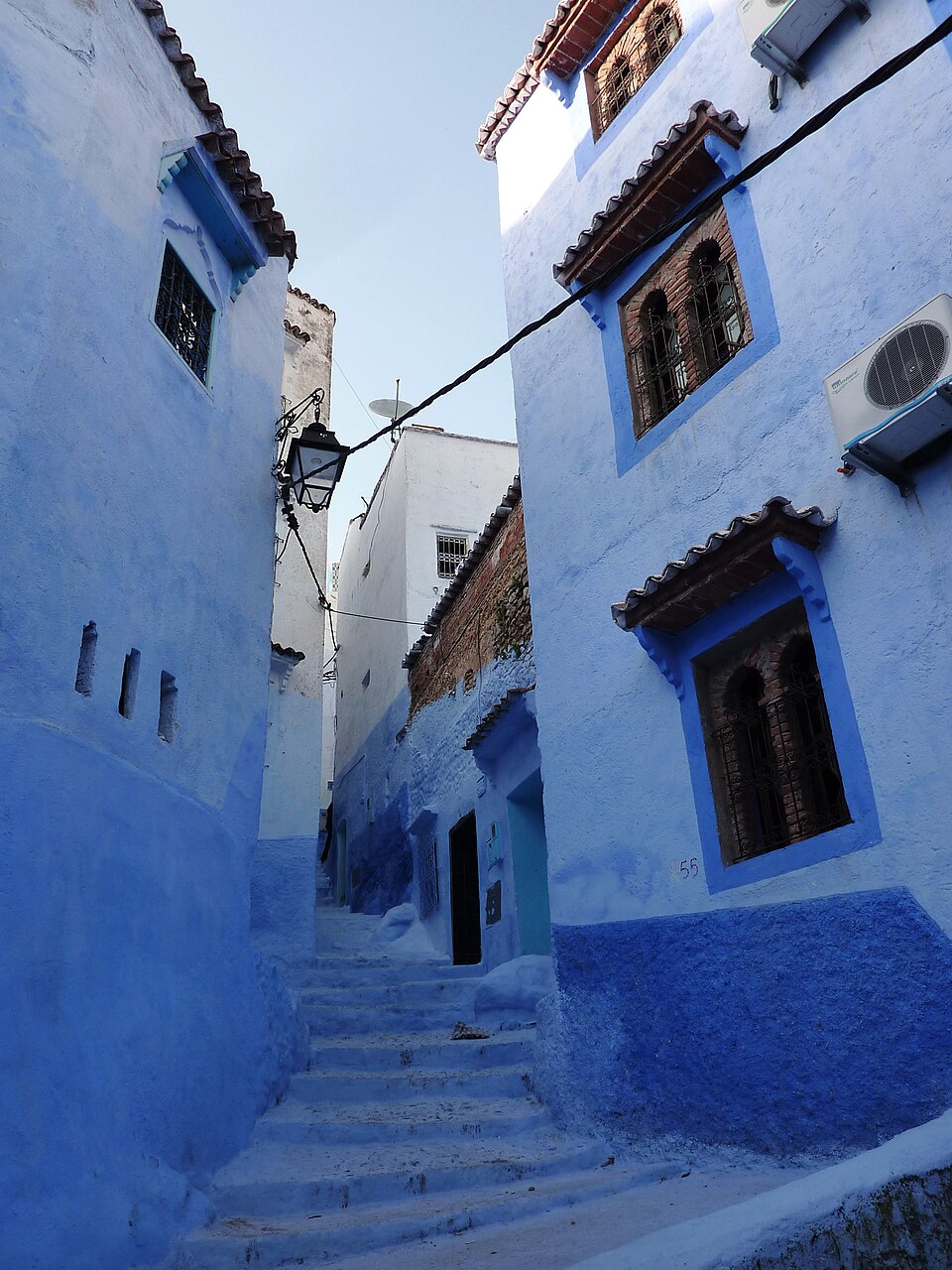
Chefchaouen's blue has been explained as a Jewish tradition brought by refugees, as mosquito repellent, and as a way of keeping houses cool. The honest answer is that nobody agrees, and that it is repainted every year because visitors come to see it.
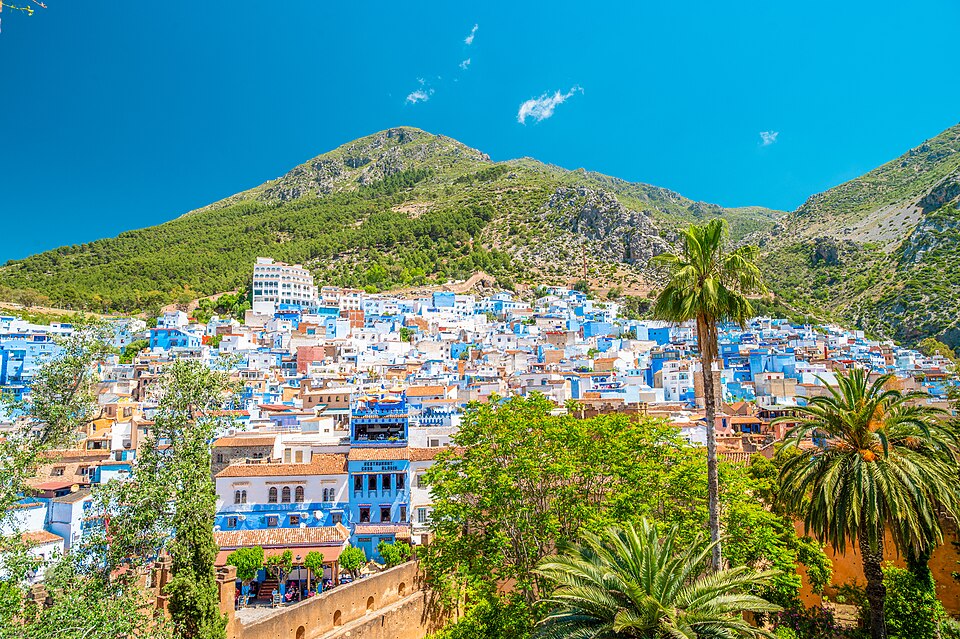
Chefchaouen is a city in northwest Morocco. It is the chief town of the province of the same name and is noted for its buildings in shades of blue, for which it is nicknamed the "Blue City". It is situated in a mountainous region in northern Morocco, between Tétouan and Ouazzane.
It was founded in 1471 by the Mulay Ali ibn Rashid, a distant descendant of the Islamic Prophet Muhammad. The original settlement consisted of just a small fortress, now referred to as Chefchaouen's Kasbah. The fortress was erected to help defend the area from potential attacks by Portuguese invaders; at the time, Portugal was launching attacks against northern cities and towns in Morocco.
Further reading
Chefchaouen Street is one of the 3D puzzles in World Artifacts: turn a cloud of broken pieces until it lines up. For iPhone, iPad, Apple Vision Pro and Android.

