World Artifacts › Atlas › Morocco
Kaftan
The Moroccan kaftan is a single embroidered gown worn at weddings, often with a wide belt, and its cut and the ranking of its embroidery are taken seriously. Morocco and Algeria have taken their competing claims over it as far as UNESCO.
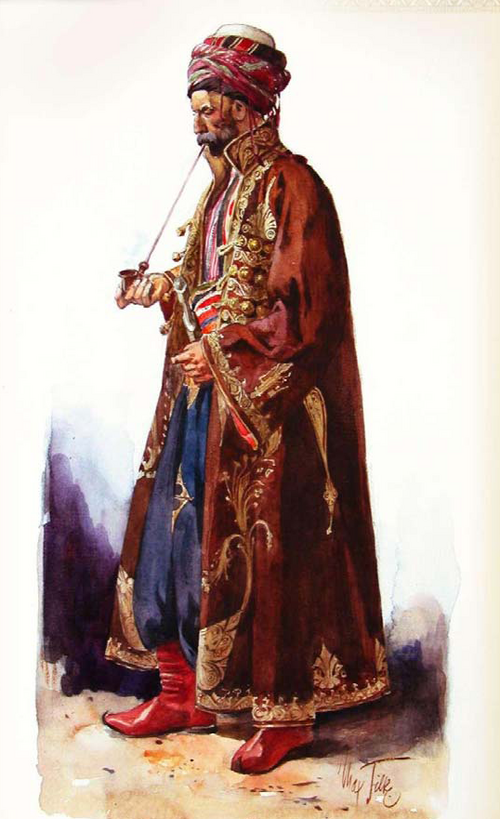
A kaftan or caftan (; Arabic: قفطان, qafṭān; Persian: خفتان, khaftān; Turkish: kaftan) is a variant of the robe or tunic. Originating in West Asia, it has been worn by a number of cultures around the world for thousands of years. In Russian usage, kaftan instead refers to a style of men's long suit with tight sleeves.
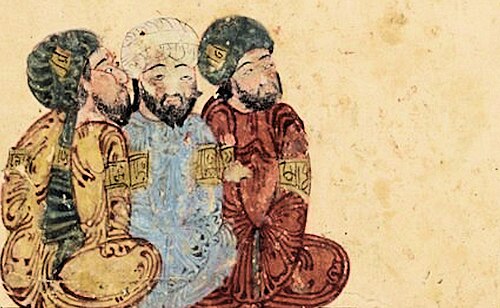
It may be made of wool, cashmere, silk, or cotton, and may be worn with a sash. Popular during the time of the Ottoman Empire, detailed and elaborately designed garments were given to ambassadors and other important guests at the Topkapı Palace.
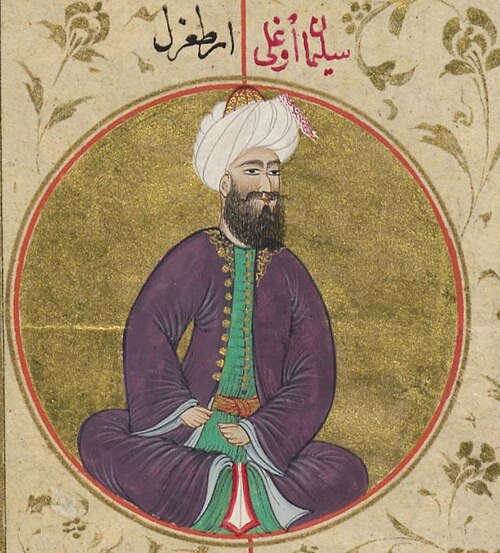
Variations of the kaftan were inherited by cultures throughout Asia and were worn by individuals in Russia, the Middle East, and North Africa.
Styles, uses, and names for the kaftan vary from culture to culture. The kaftan is often worn as a coat or as an overdress, usually having long sleeves and reaching to the ankles. In regions with a warm climate, it is worn as a light-weight, loose-fitting garment. In some cultures, the kaftan was a symbol of royalty.
Kaftan is one of the 3D puzzles in World Artifacts: turn a cloud of broken pieces until it lines up. For iPhone, iPad, Apple Vision Pro and Android.

