World Artifacts › Atlas › Morocco
Leather Pouf
The leather pouf is sold flat and stuffed by the buyer, which is how it can be shipped, and the leather comes from the same tanneries as everything else in the medina. The stitching is done by hand around a paper pattern.
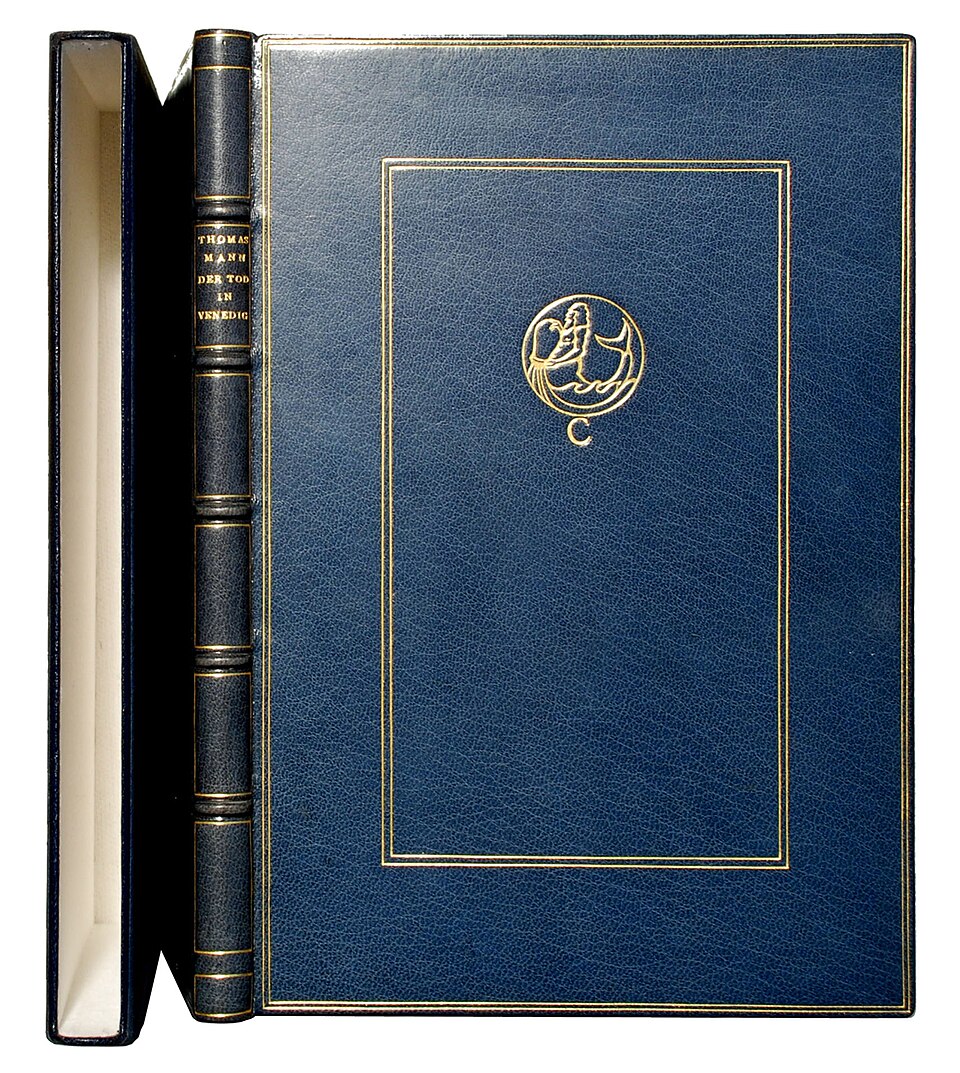
Morocco leather (also known as Levant, the French Maroquin, Turkey, or German Saffian from Safi, a Moroccan town famous for leather) is a vegetable-tanned leather known for its softness, pliability, and ability to take color. It has been widely used in the manufacture of gloves and the uppers of ladies' shoes and men's low cut shoes, but is commonly associated with wallets, linings for fine luggage, and bookbindings.
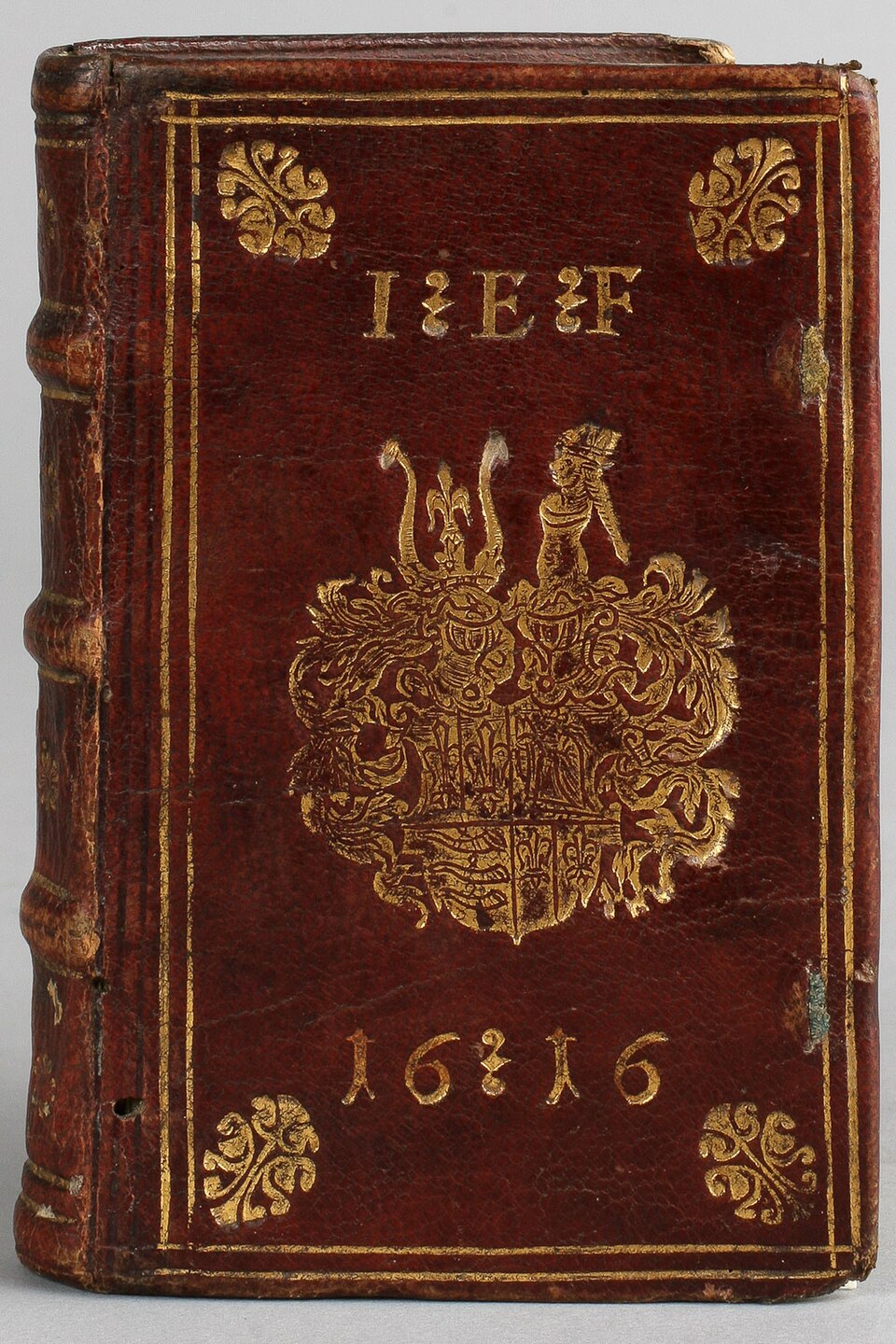
Despite its name, Morocco was typically not the original source of the leather. Some of the highest quality Morocco leather, usually goat skin, used in book binding was sourced from Northern Nigeria (particularly from the Hausa city-states of Kano, Katsina, and Zazzau) and Anatolia (modern day Turkey). First known production of morocco leather is attributed to pre-11th century Moors, in which alum tanned morocco leather was stained pink.
Leather Pouf is one of the 3D puzzles in World Artifacts: turn a cloud of broken pieces until it lines up. For iPhone, iPad, Apple Vision Pro and Android.

