World Artifacts › Atlas › Morocco
Riad Courtyard
A riad turns its back on the street: blank walls, one door, and every window facing an internal courtyard with a fountain and a tree. The design keeps the house cool and private, and it means the outside of a rich house looks like the outside of a poor one.
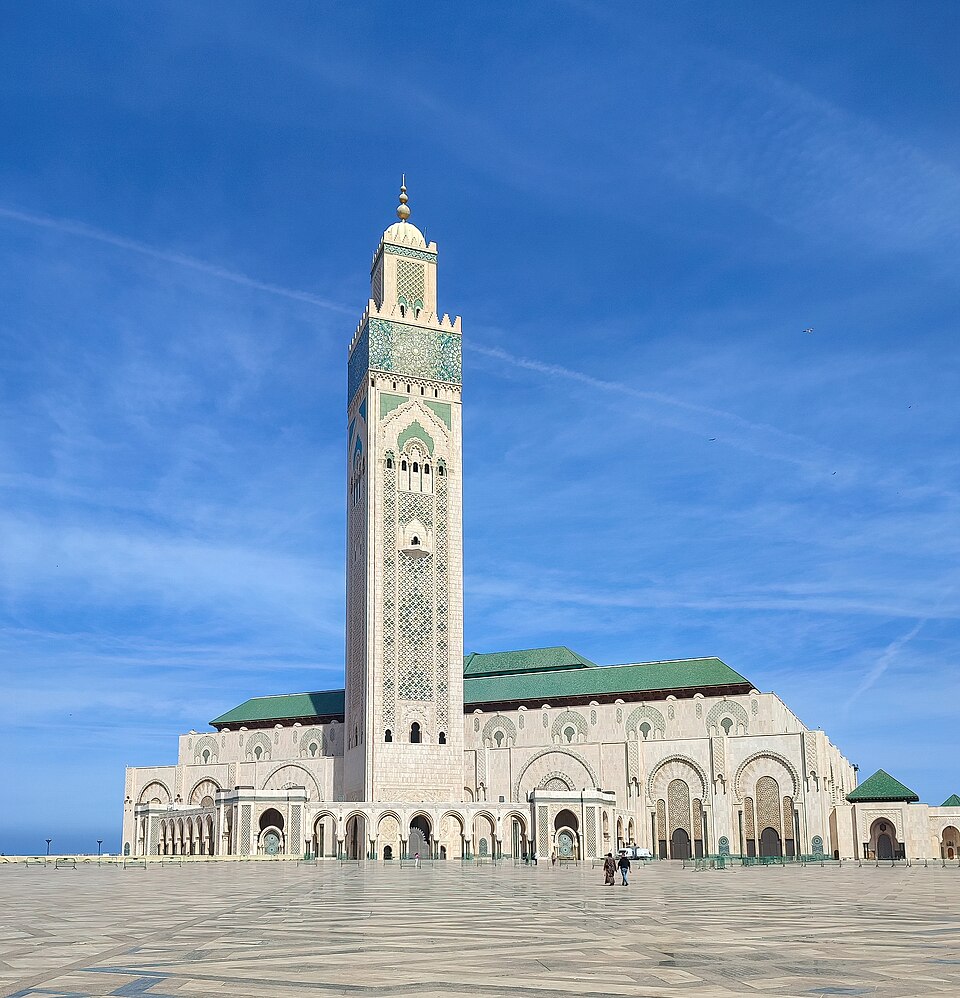
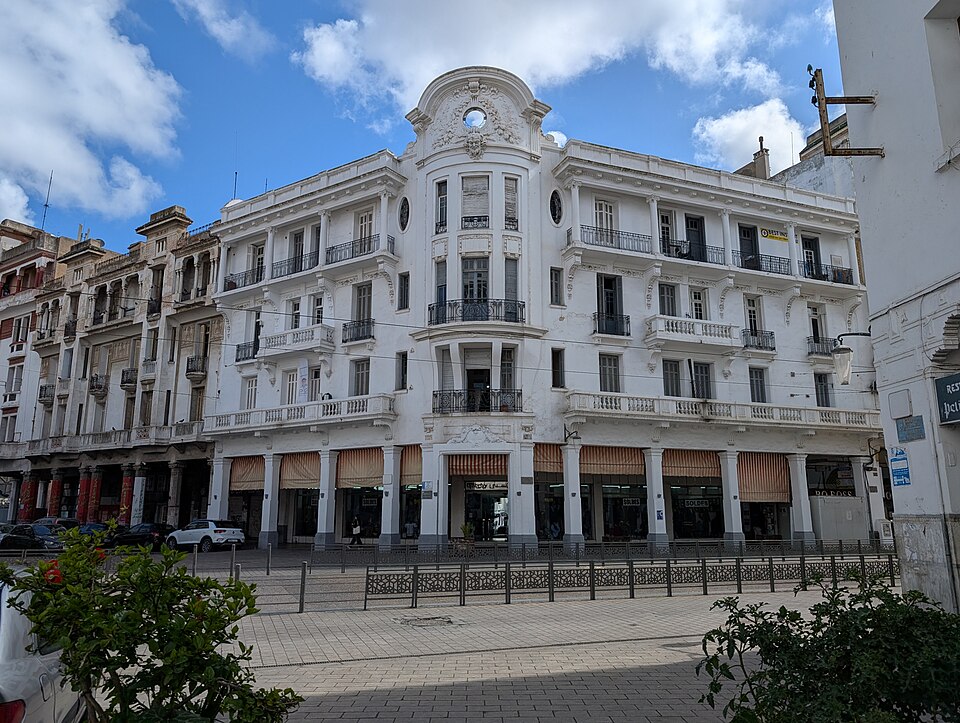
Moroccan architecture reflects Morocco's diverse geography and long history, marked by successive waves of settlers through both migration and military conquest. This architectural heritage includes ancient Roman sites, historic Islamic architecture, local vernacular architecture, 20th-century French colonial architecture, and modern architecture.
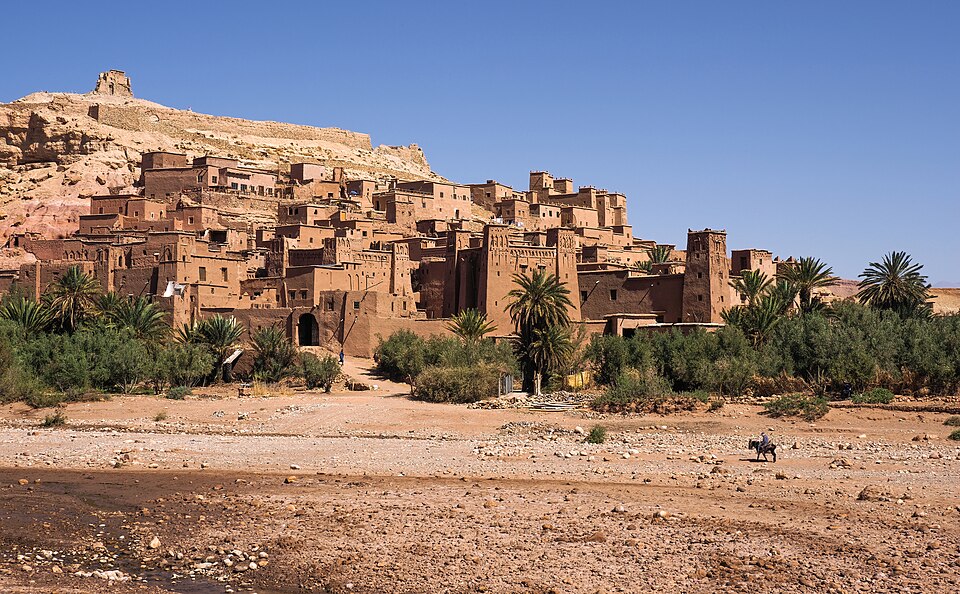
Much of Morocco's traditional architecture is marked by the style that developed during the Islamic period, from the 7th century onward. This architecture was part of a wider tradition of "Moorish" or western Islamic architecture, which characterized both the Maghreb (Morocco, Algeria, and Tunisia) and al-Andalus (Muslim Spain and Portugal). It blended influences from Amazigh (Berber) culture in North Africa, pre-Islamic Spain (Roman, Byzantine, and Visigothic), and contemporary artistic currents in the Islamic Middle East to elaborate a unique style over centuries with recognizable features such as the horseshoe arch, riad gardens, and elaborate geometric and arabesque motifs in wood, carved stucco, and zellij tilework.
Further reading
- Moroccan Interiors · Lisa Lovatt-Smith (1995)A pictorial survey of Moroccan interiors, covering house furnishings and interior decoration.Find a copy: AbeBooks · Amazon · WorldCat
- Architecture of the Islamic West · Jonathan M. Bloom (2020)A history of Islamic architecture in the western Islamic world.Find a copy: AbeBooks · Amazon · WorldCat
Riad Courtyard is one of the 3D puzzles in World Artifacts: turn a cloud of broken pieces until it lines up. For iPhone, iPad, Apple Vision Pro and Android.

