World Artifacts › Atlas › Morocco
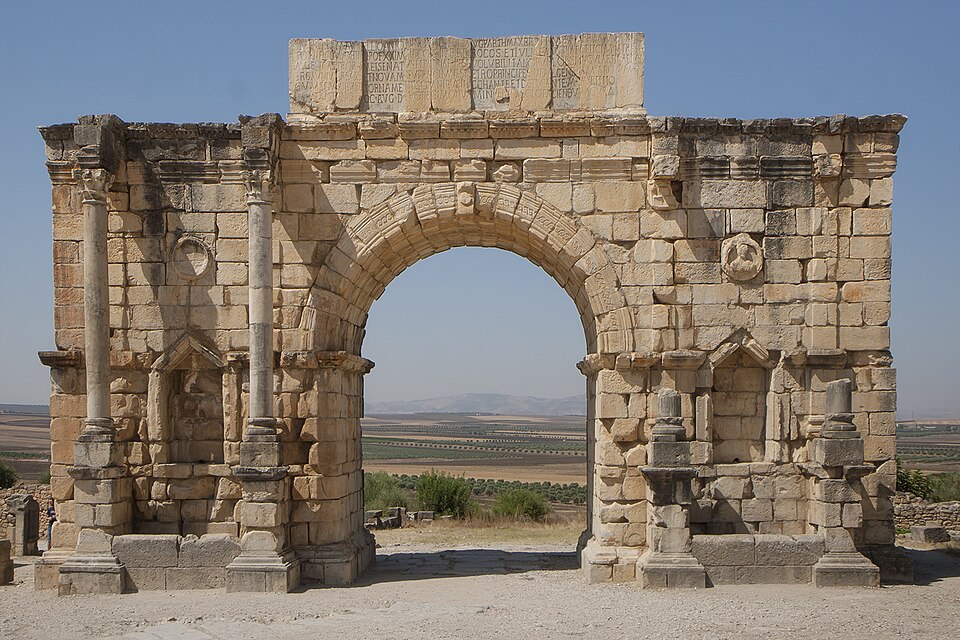
Volubilis Arch
Volubilis was a Roman provincial capital and kept going for centuries after Rome left. Its stone was carted off to build Meknes in the 1700s, and the earthquake that destroyed Lisbon in 1755 knocked down much of what was left.
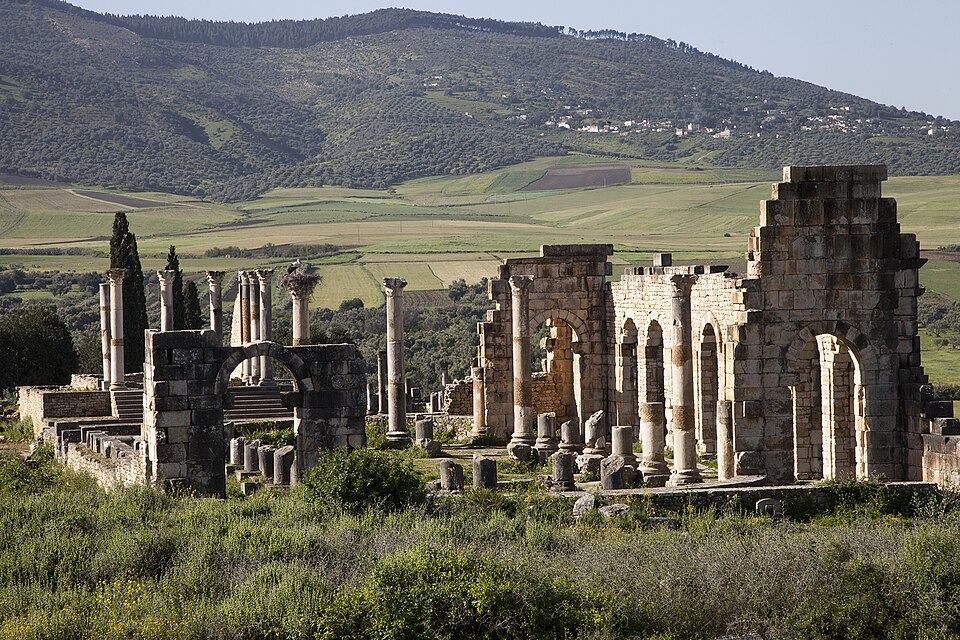
Volubilis (Latin pronunciation: [wɔˈɫuːbɪlɪs]; Berber languages: ⵡⵍⵉⵍⵉ, romanized: wlili; Arabic: وليلي, romanized: walīlī) is a partly excavated Amazigh-Roman city in Morocco, situated near the city of Meknes, that may have been the capital of the Kingdom of Mauretania, at least from the time of King Juba II. Before Volubilis, the capital of the kingdom may have been at Gilda.
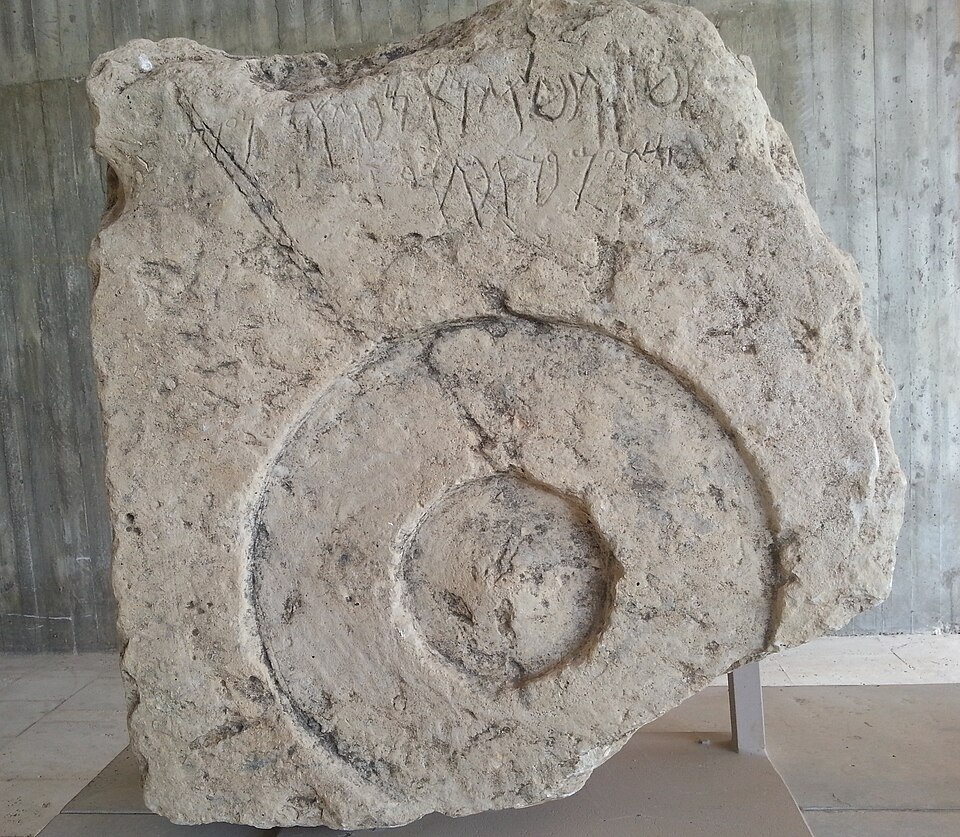
Built in a fertile agricultural area, it developed from the 3rd century BC onward as an Amazigh, then proto-Carthaginian, settlement before being the capital of the kingdom of Mauretania. It grew rapidly under Roman rule from the 1st century AD onward and expanded to cover about 42 hectares (100 acres) with a 2.6 km (1.6 mi) circuit of walls. The city gained a number of major public buildings in the 2nd century, including a basilica, temple and triumphal arch. Its prosperity, which was derived principally from olive growing, prompted the construction of many fine town-houses with large mosaic floors.
Further reading
Volubilis Arch is one of the 3D puzzles in World Artifacts: turn a cloud of broken pieces until it lines up. For iPhone, iPad, Apple Vision Pro and Android.

