World Artifacts › Atlas › Montenegro
Badnjak
The oak log for Christmas Eve.
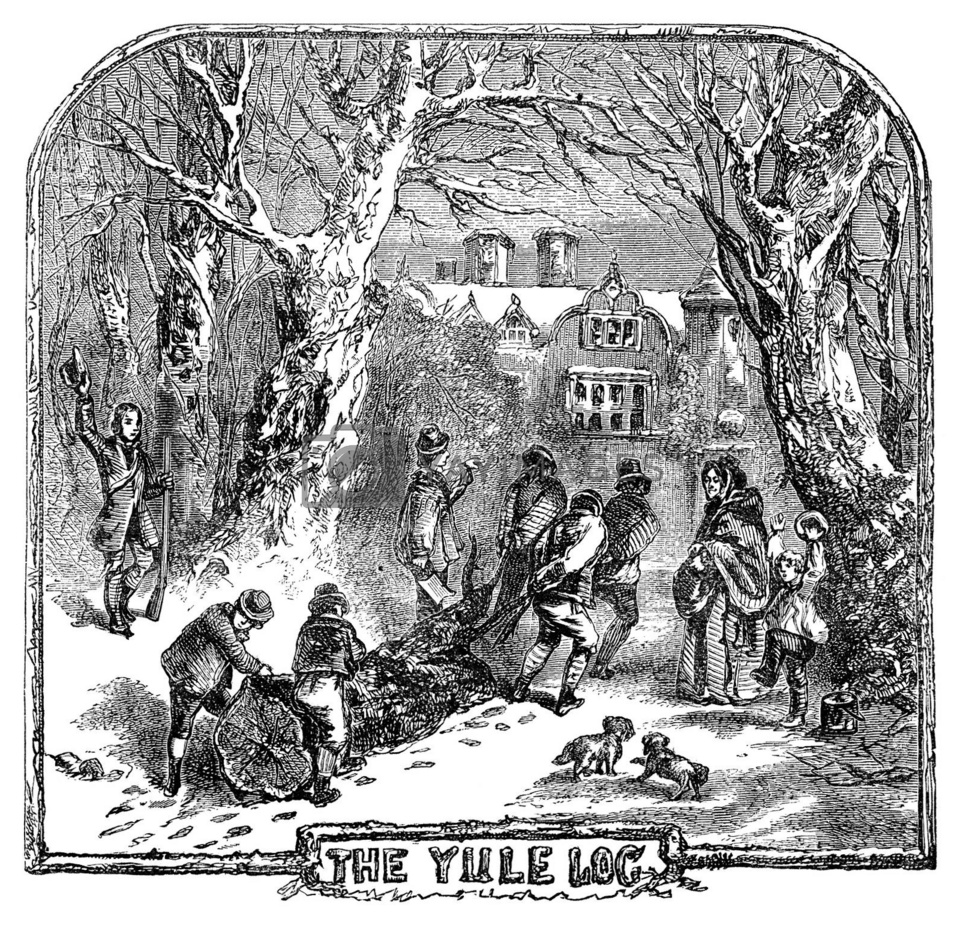
The Yule log is a specially selected log burnt on a hearth as a winter tradition in regions of Europe, and subsequently North America. Today, this tradition is celebrated by Christians and modern pagans on or around Christmas or Yule. The name by which this tradition goes, as well as when and how the Yule log should be burnt, varies widely with time and place. The first solid evidence for this tradition originates in 1184 AD as a Christmas eve tradition. The practice was originally known as the "Christmas log" (and still is in languages other than English), with "Yule log" first used in the late 17th century. The origins of the Yule log are unclear, with scholars proposing a variety of possible theories ranging from a medieval Christmas tradition, a surviving ritual from Albanian, Roman, Celtic, Germanic, Baltic or Slavic paganism, or as a Proto-Indo-European ritual that has survived in a variety of cultures until today.
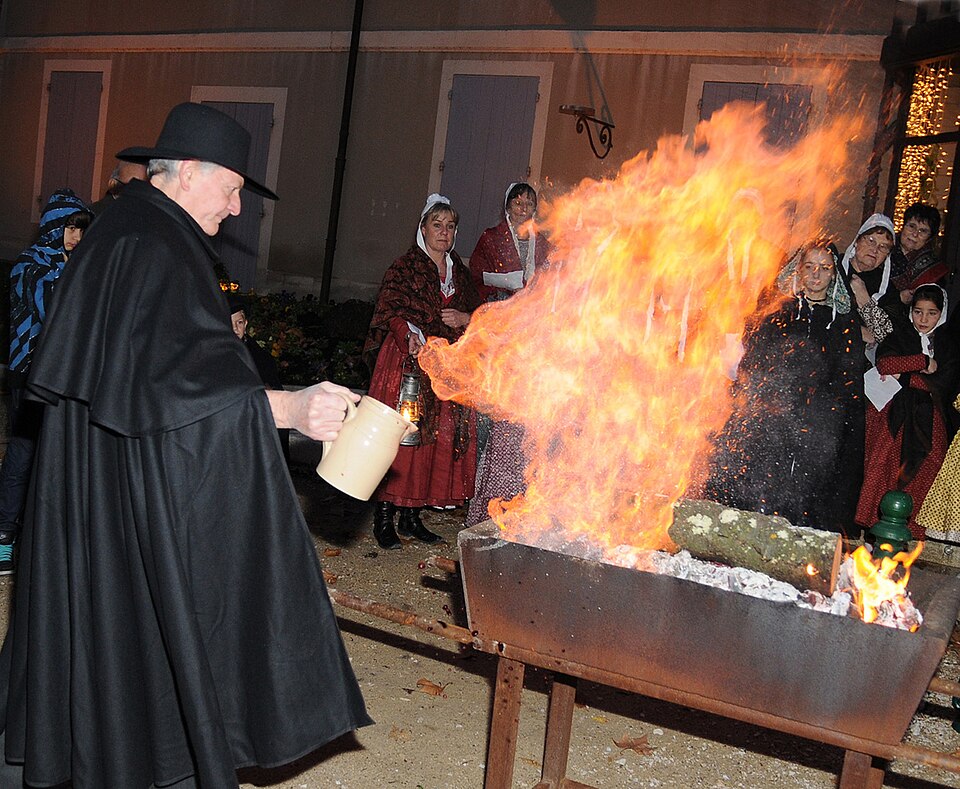
Folklorist Linda Watts provides the following overview of the English Yule log custom:The Christmas practice calls for burning a portion of the log each evening until Twelfth Night (January 6). The log is subsequently placed beneath the bed for luck, and particularly for protection from the household threats of lightning and, with some irony, fire. Many have beliefs based on the Yule log as it burns, and by counting the sparks and such, they seek to discern their fortunes for the new year and beyond.
Further reading
- The Stations of the Sun · Ronald Hutton (1996)Surveys the British ritual year and its customs, festivals and folklore, including Christmas and midwinter observances.Find a copy: AbeBooks · Amazon · WorldCat
- Christmas · Bruce David Forbes (2007)A history of Christmas as a holiday, covering its development and traditions.Find a copy: AbeBooks · Amazon · WorldCat
Badnjak is one of the 3D puzzles in World Artifacts: turn a cloud of broken pieces until it lines up. For iPhone, iPad, Apple Vision Pro and Android.

