World Artifacts › Atlas › Mongolia
Naadam Wrestler
The wrestler in an open-chested jacket.
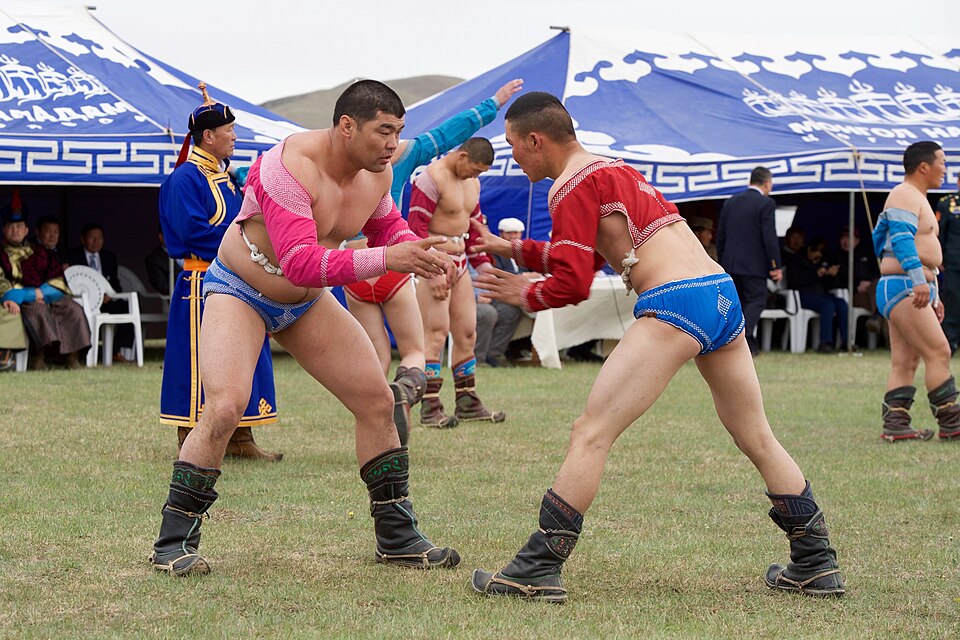
Mongolian wrestling, known as Bökh, is the folk wrestling style of Mongols in Mongolia, Inner Mongolia, Buryat Mongol regions, Kalmyk Mongol and other regions where touching the ground with anything other than foot or palm of hand loses the match. Bökh means "firmness, reliability, vitality, wrestler", from Mongolic root *bekü "firm, hard, solid; fighter, strong man" Wrestling is the most important of the Mongolian culture's historic "Three Manly Skills", that also include horsemanship and archery.
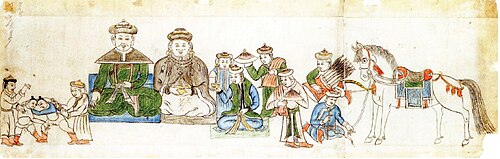
Genghis Khan considered wrestling to be an important way to keep his army in good physical shape and combat ready. The court of the Qing dynasty (1646-1911) held regular wrestling events, mainly between ethnic Manchu and Mongol wrestlers. There are several different versions, Mongolian, Buryatian (in the Buryatia of Russia), Oirat and Inner Mongolian.
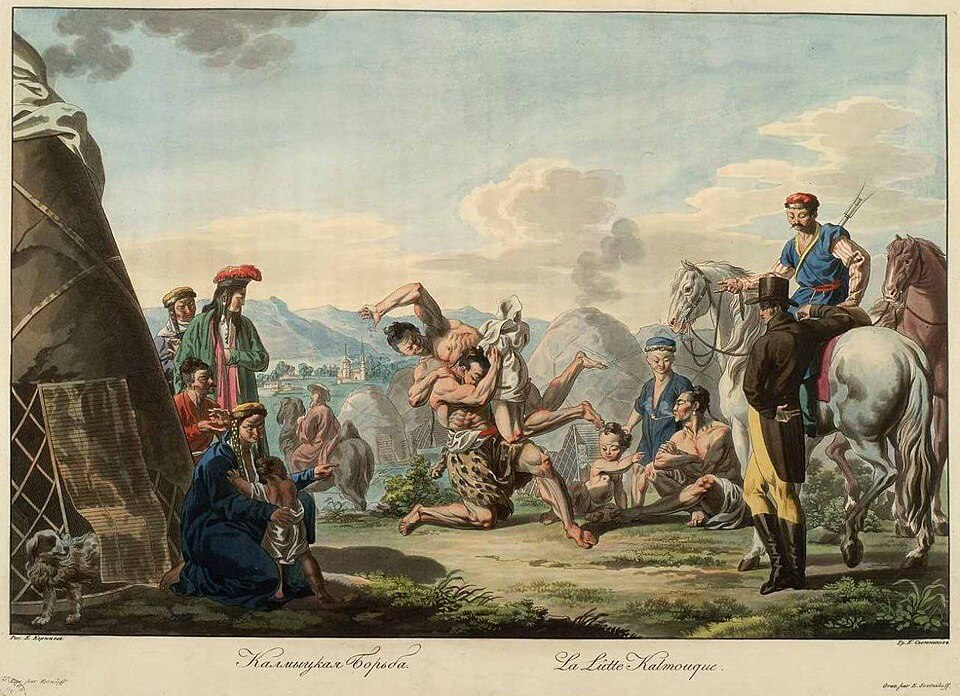
Mongolian wrestling, Khalkha wrestling (Khalkha bökh) - traditional Khalkha Mongolian wrestling.
Buryat wrestling (Buriad bökh)
Bukh noololdoon - Oirat wrestling or Western Mongolian wrestling
Southern Mongolian wrestling - (Khorchin wrestling) jacket wrestling that wear jacket made of cow leather, long pants with chaps over and boots.
Khuresh - traditional Tuvan jacket wrestling, in southern Siberia. Influenced by Mongolian wrestling. Khalkha Mongolian and Tuvan wrestlers wear almost the same jacket.
Naadam Wrestler is one of the 3D puzzles in World Artifacts: turn a cloud of broken pieces until it lines up. For iPhone, iPad, Apple Vision Pro and Android.

