World Artifacts › Atlas › Mongolia
Shaman Drum
The drum with a mirror.
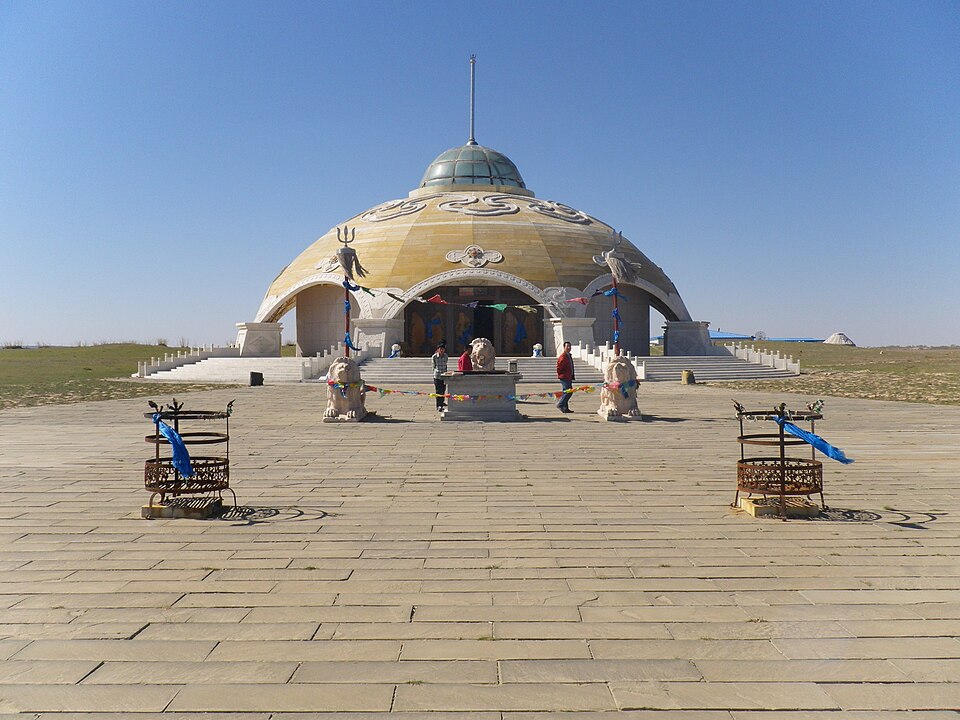
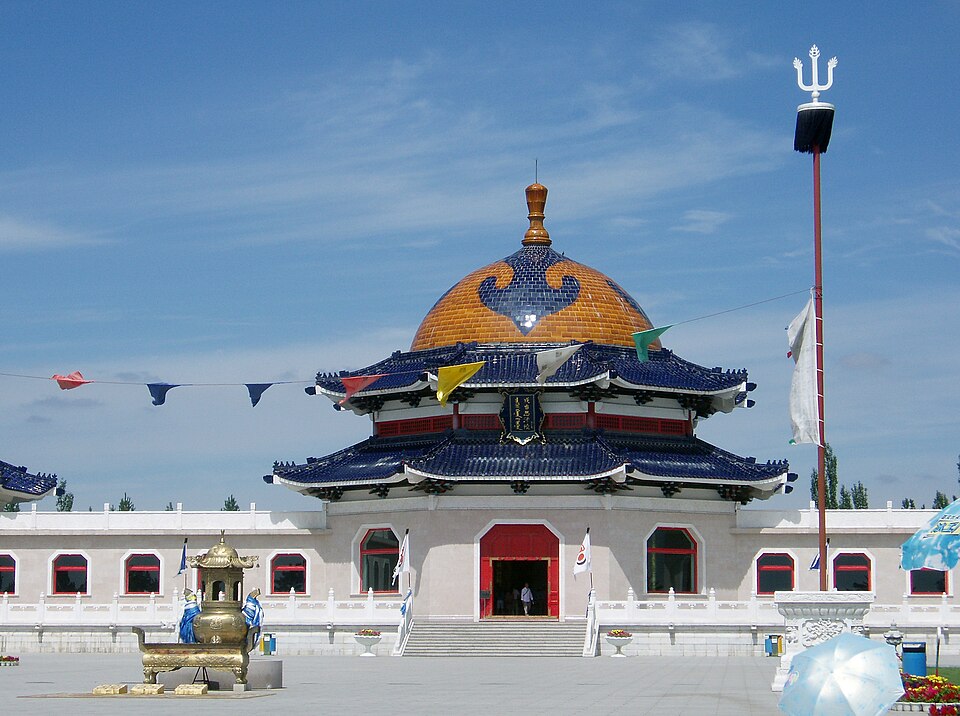
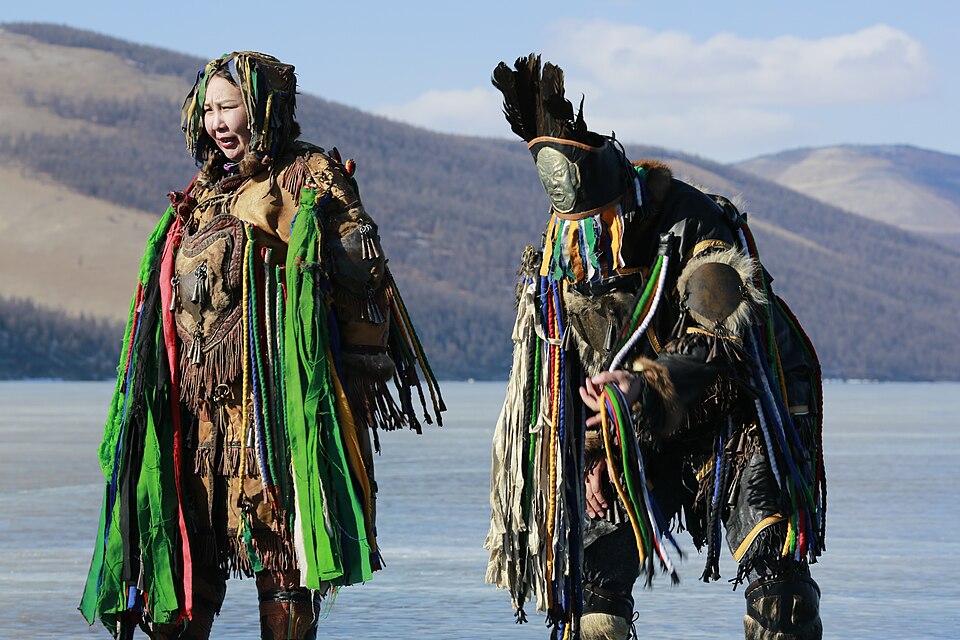
Mongolian shamanism, known as the Böö Mörgöl (Бөө мөргөл [pɵː ˈmɵrkʊ̆ɬ]) in Mongolian and more broadly called the Mongolian folk religion or occasionally Tengerism, refers to the animistic and shamanic ethnic religion that has been practiced in Mongolia and its surrounding areas (including Buryatia and Inner Mongolia) at least since the age of recorded history. In the earliest known stages it was intricately tied to all other aspects of social life and to the tribal organization of Mongolian society. Along the way, it has become influenced by and mingled with Buddhism. During the socialist years of the twentieth century, it was heavily repressed, but has since made a comeback.
Further reading
- Mongolian music, dance, & oral narrative · Carole Pegg (2001)Covers Mongolian music, dance and oral narrative, including musical instruments and social life.Find a copy: AbeBooks · Amazon · WorldCat
- Tragic Spirits · Manduhai Buyandelger (2013)Examines shamanism in Mongolia's history, including its relation to communism and liberalism.Find a copy: AbeBooks · Amazon · WorldCat
Shaman Drum is one of the 3D puzzles in World Artifacts: turn a cloud of broken pieces until it lines up. For iPhone, iPad, Apple Vision Pro and Android.

